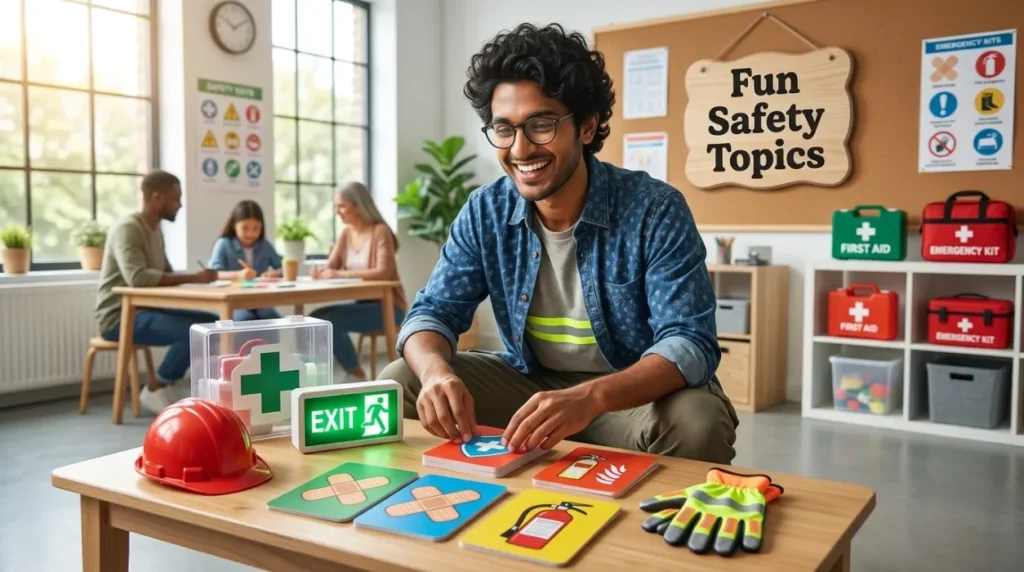
Fun safety topics transform routine safety training into interactive, memorable experiences using hands-on demonstrations, game shows, trivia, and real-life scenarios. By focusing on practical areas like ergonomic stretches, hazard hunts, emergency preparedness, and office safety, these topics build a proactive safety culture while keeping team energy high.
Have you ever sat through a safety presentation where everyone kept checking the clock? Exploring fun safety topics completely changes that dull routine by making important safety lessons exciting and easy to digest.
Safety training does not have to feel like a boring lecture that people instantly forget. Introducing fun safety topics helps employees stay alert, ask questions, and remember critical safety steps when real emergencies happen.
Whether you run a busy warehouse, a tech office, or a school, interactive lessons build a culture where safety feels natural. When learning feels enjoyable, people pay attention and protect one another every single day.
Ready to trade dry PowerPoints for interactive safety games, hands-on challenges, and high-energy discussions? Let’s check out the most engaging, fun safety topics you can share with your team right now.
Why Interactive Safety Training Changes Everything
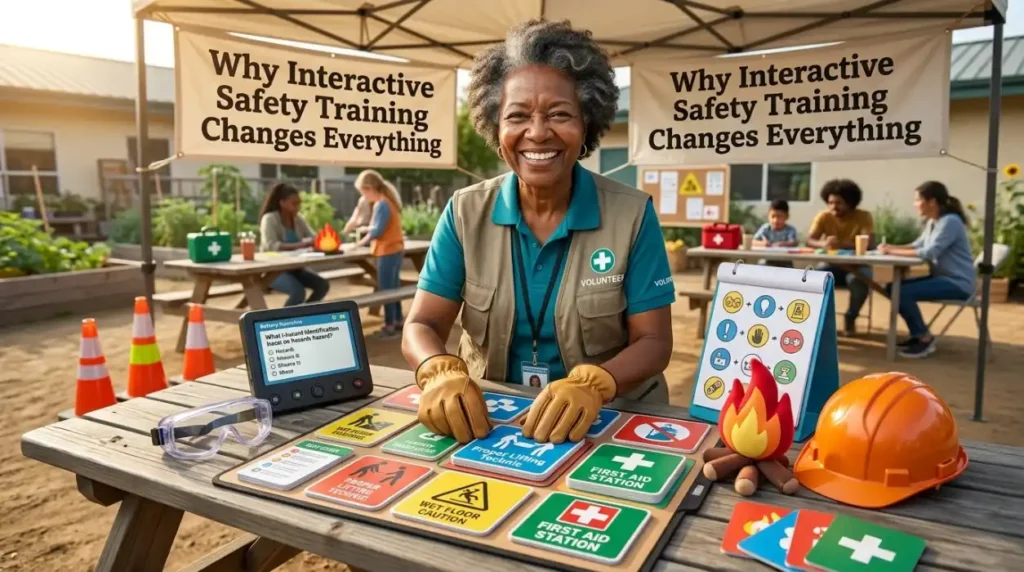
Traditional safety meetings often fail because they rely on passive listening instead of active participation. When people simply sit and listen to rules, their minds drift away after just a few minutes.
Interactive safety training shifts the focus from following rules out of obligation to making smart choices out of genuine care. When employees actively participate in discussions or hands-on activities, they retain information much longer.
Making safety engaging lowers workplace accident rates while building a supportive, health-conscious environment for everyone.
The Psychology Behind Engagement and Memory Retention
Human brains are hardwired to process and remember active experiences far better than written slides. Participating in a quick safety challenge triggers focus and creates strong mental anchors.
- Emotional Connection: Laughter and light competition reduce stress, making complex safety guidelines feel approachable and friendly.
- Muscle Memory: Practicing physical actions like lifting heavy boxes properly creates muscle memory that carries over into daily work tasks.
- Peer Learning: Group activities encourage team members to share personal experiences and coach each other on better safety habits.
Moving Away from Compliance to a Caring Safety Culture
Safety compliance means doing the minimum required by law to avoid fines or official penalties. A true safety culture means every person looks out for their coworkers because they value everyone’s health and well-being.
Using creative safety ideas shows your team that their comfort, safety, and daily happiness matter to leadership.
High-Energy Office and Remote Work Safety Topics
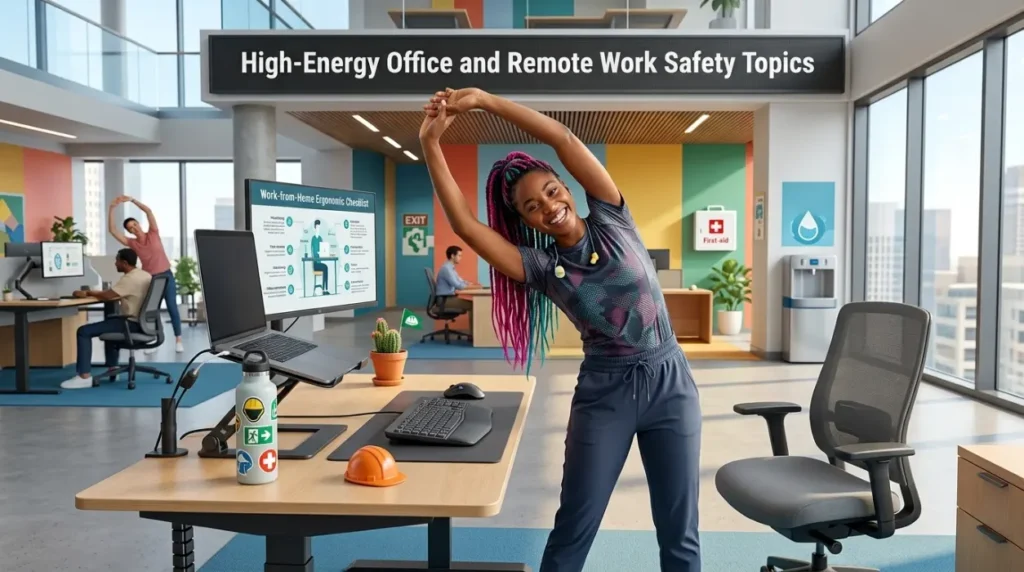
Office environments look harmless, but they harbor subtle physical risks that cause chronic pain over time. From poor desk posture to hidden tripping hazards, daily office habits significantly impact long-term health.
Addressing these topics keeps office workers healthy, energized, and pain-free throughout the workday.
The Ultimate Desk Ergonomics and Stretch Challenge
Sitting in a chair for eight hours can cause lower back pain, neck stiffness, and wrist strain. Turn ergonomics into an interactive workshop where employees adjust their workspaces together.
- Monitor Height Check: Ensure the top third of the computer screen sits at eye level to prevent neck strain.
- Chair Alignment: Adjust seat height so feet rest flat on the floor with knees bent at a comfortable 90-degree angle.
- Micro-Break Routine: Lead the team in simple 30-second shoulder rolls, wrist stretches, and standing stretches every hour.
Hazard Hunt: Spotting Hidden Office Dangers
Turn hazard identification into a friendly 10-minute competition across the building. Split your team into small groups and give them a checklist to search for common, overlooked office hazards.
Look for frayed electrical cords, overloaded power strips, blocked fire extinguishers, and loose hallway carpets. The team that spots and reports the most legitimate hazards earns a small prize or team recognition.
Physical Health and Warehouse Safety Concepts
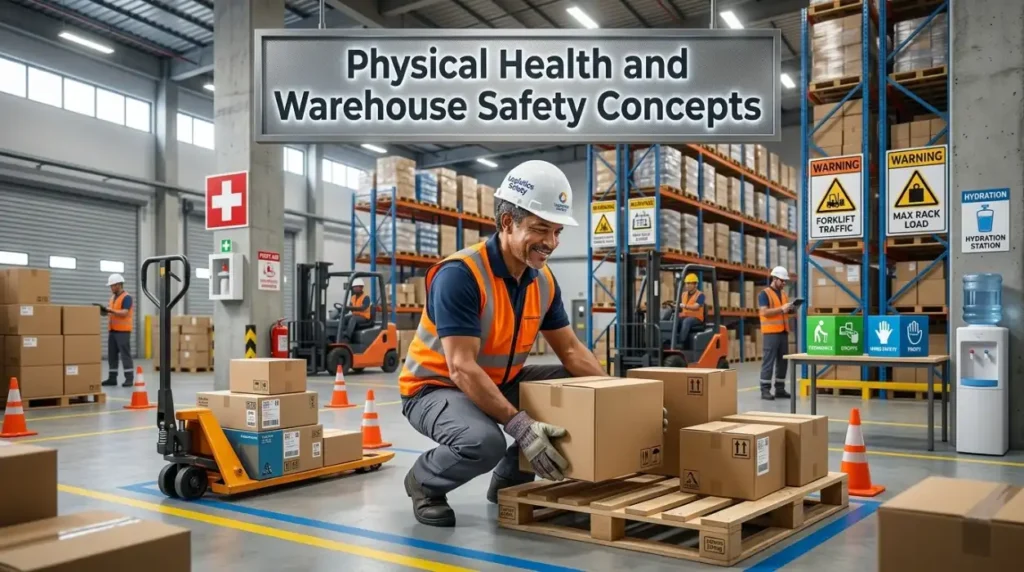
In industrial, retail, and warehouse settings, physical safety rules directly prevent severe injuries. Teaching proper technique through physical games makes safe movements feel natural during fast-paced work shifts.
Hands-on practice ensures workers build confidence in handling equipment and heavy items safely.
Safe Lifting Techniques with the Box Challenge
Back injuries from improper lifting are among the most common workplace health claims. Host a practical demonstration using boxes filled with varying weights to teach safe lifting mechanics.
- Base of Support: Stand close to the object with feet shoulder-width apart to maintain solid balance.
- Bend the Knees: Squat down using the legs rather than bending at the waist or curving the spine.
- Keep It Close: Hold the heavy object close to your body at waist level while moving.
- Pivot, Don’t Twist: Turn your whole feet to change direction instead of twisting your torso while holding weight.
Slips, Trips, and Falls Prevention Games
Slips and falls happen in every industry, from wet kitchen floors to icy parking lots. Run a quick workshop where team members identify dangerous walking habits and learn how to navigate slippery surfaces safely.
Practice the “penguin walk” technique for icy conditions: take short, shuffling steps and keep your center of gravity directly over your feet.
Emergency Preparedness and First Aid Skills
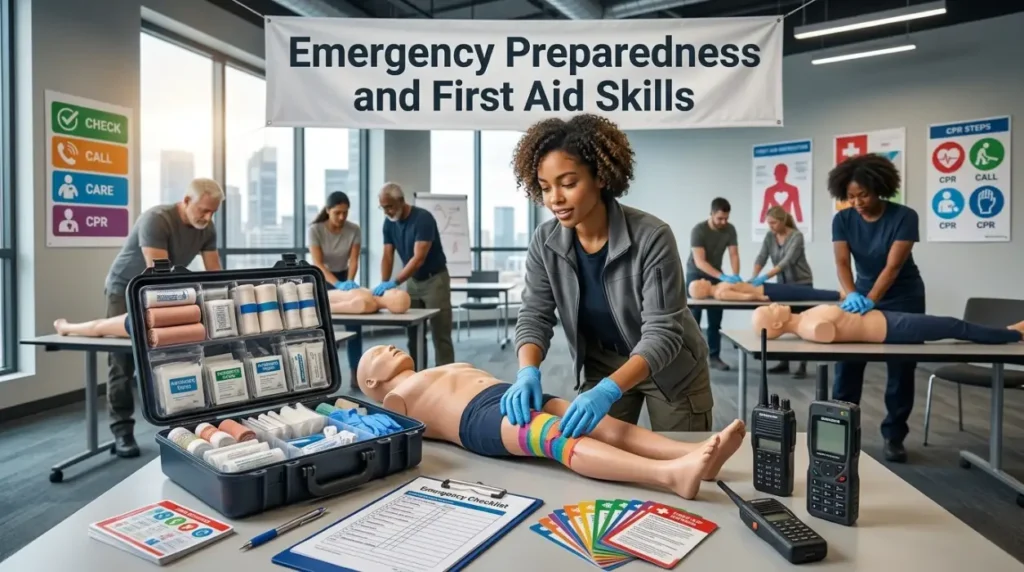
When unexpected emergencies occur, quick action saves lives. Emergency response training should feel empowering rather than scary, giving employees clear steps to follow without panicking.
Regular practice turns panic into calm, organized action during fires, severe weather, or medical events.
Interactive Fire Safety and Extinguisher Drills
Most people know fire extinguishers exist, but very few have actually pulled the safety pin. Use an electronic simulator or a practice water extinguisher to let everyone rehearse the basic steps.
- P – Pull: Pull the safety pin located at the top of the extinguisher handle.
- A – Aim: Aim the nozzle low, pointing directly at the base of the fire.
- S – Squeeze: Squeeze the handle evenly to release the extinguishing agent.
- S – Sweep: Sweep the nozzle side to side across the base of the flames until out.
First Aid Basics and CPR Awareness
Basic first aid knowledge turns every team member into a potential lifesaver during medical incidents. Host a hands-on session covering simple bandage wrapping, treating minor burns, and identifying heat stroke signs.
Demonstrate how to perform hands-only CPR to the rhythm of a fast-paced, familiar song to maintain the correct compression speed.
Mental Health and Workplace Stress Management
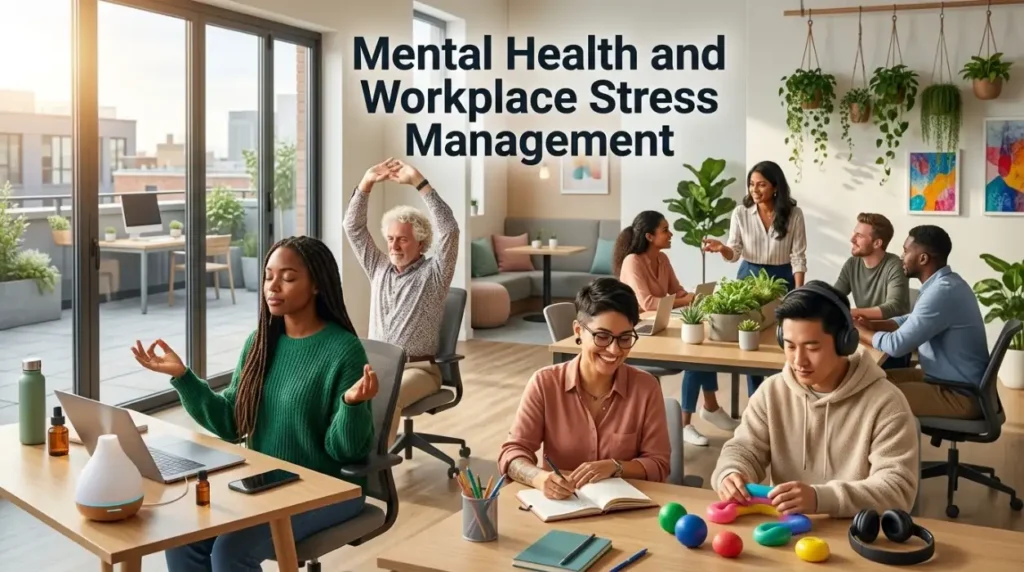
Safety is not limited to physical bumps and bruises; mental well-being is equally essential for a safe workplace. High stress levels cause fatigue, distractions, and poor decision-making that increase accident risks.
Creating space to talk about stress management fosters a healthy, supportive work atmosphere.
Mindful Breaks and Fatigue Management
Physical and mental fatigue slow down reaction times just as much as alcohol or physical exhaustion. Encourage teams to take genuine mental breaks away from work screens to recharge their focus.
- The 20-20-20 Rule: Every 20 minutes, look at an object 20 feet away for at least 20 seconds to ease eye strain.
- Deep Breathing Exercises: Practice simple box-breathing techniques to lower heart rates during stressful moments.
- Shift Rotation Support: Provide adequate rest windows between heavy shifts to prevent burnout and sleep deprivation.
Building Open Communication for Safety Reporting
Employees should feel completely comfortable reporting near-misses and safety concerns without fear of criticism. Treat near-miss incidents as valuable learning opportunities that help protect everyone in the future.
Reward employees who proactively spot and fix safety issues before accidents actually occur.
Creative Ways to Run Safety Meetings
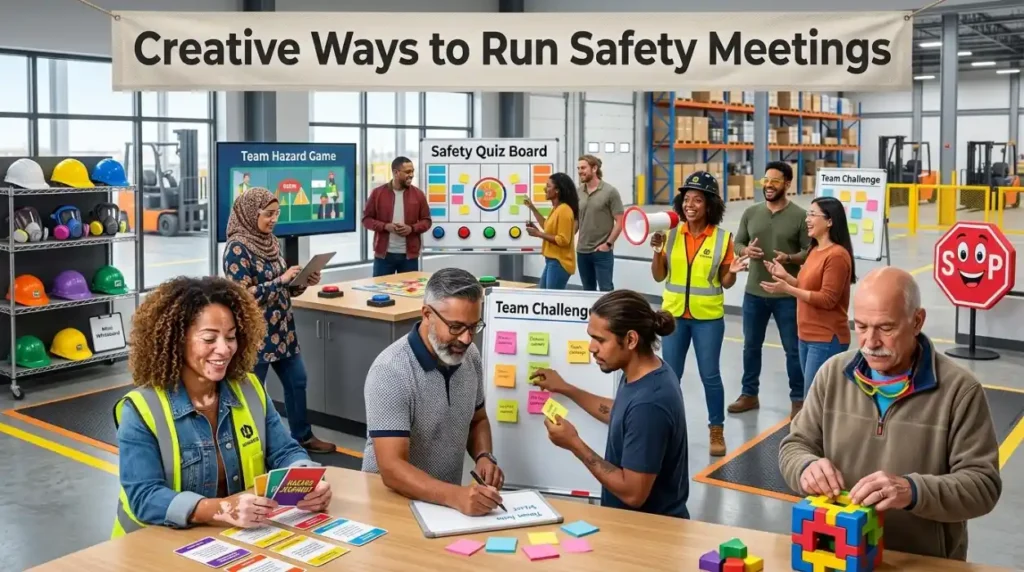
How you deliver your message matters just as much as the safety topic itself. Using varied meeting formats keeps team members curious and eager to attend every session.
Rotating host duties and adding game elements turn routine meetings into memorable events.
Safety Jeopardy and Trivia Game Shows
Convert your standard safety manual into a fun quiz show board with categories like First Aid, Fire Safety, and Office Ergonomics.
Divide the room into competing teams, complete with buzzers or funny sound effects for answering questions. Offering simple prizes like free lunch vouchers or early weekend finishes creates high engagement instantly.
Real-Life Scenario Roleplay Sessions
Present realistic, messy safety scenarios and let teams figure out how to solve them safely step-by-step.
For example, present a scenario involving a spilled liquid near a doorway during peak customer hours. Let the team debate who secures the area, who cleans the spill, and how to document the incident properly.
Practice Exercise
Test your understanding of engaging safety ideas, emergency steps, and workplace health practices by choosing the correct answer for each question below.
- What is the primary purpose of using interactive games during workplace safety meetings?
A. To eliminate all formal workplace safety regulations.
B. To improve employee engagement, attention, and long-term memory retention.
C. To force employees to work longer hours without taking breaks.
D. To avoid purchasing proper personal protective equipment. - Which lifting technique helps reduce the risk of lower back injuries when moving heavy boxes?
A. Bending at the waist with straight legs.
B. Bending the knees, keeping the load close to the body, and lifting with the legs.
C. Twisting the spine rapidly while holding the heavy load.
D. Holding the heavy box as far away from the body as possible. - What does the letter “A” stand for in the P.A.S.S. fire extinguisher method?
A. Ask for immediate help from bystanders.
B. Aim the nozzle low at the base of the fire.
C. Actuate the emergency alarm lever.
D. Apply water directly to the top of the flames. - How does fatigue impact workplace safety in office and industrial environments?
A. Fatigue improves reaction time and sharpens mental focus.
B. Fatigue lowers alertness, slows reaction times, and increases the risk of accidents.
C. Fatigue eliminates all physical ergonomics issues at desks.
D. Fatigue makes machinery run faster and more efficiently. - What is the main focus of the 20-20-20 rule during long computer work sessions?
A. Taking 20 days off work every 20 weeks.
B. Looking at an object 20 feet away for 20 seconds every 20 minutes to reduce eye strain.
C. Drinking 20 ounces of water every 20 minutes while sitting.
D. Doing 20 push-ups every 20 minutes at your desk.
Answer Key:
- B
- B
- B
- B
- B
FAQs
How long should a fun safety meeting last?
A safety meeting should ideally last between 15 and 30 minutes to maintain high energy levels. Keeping meetings short, interactive, and focused on a single topic ensures employees retain key takeaways without feeling overwhelmed by information.
How can I make safety meetings fun for remote workers?
You can make remote safety meetings fun using digital trivia apps, virtual desk ergonomics checks, and interactive quizzes. Have remote employees share photos of their home office setups and vote on the most ergonomic workspace.
What are some low-cost rewards for safety games?
Great low-cost rewards include prime parking spots, extra break time, free lunch vouchers, or a team safety trophy. Recognizing winners publicly during company meetings builds motivation without requiring a massive budget.
How often should we cover safety topics with our team?
Covering quick safety topics weekly or bi-weekly keeps safety fresh in everyone’s minds throughout the year. Brief, frequent safety huddles work much better than doing one massive, exhausting training session once a year.
What should I do if employees refuse to participate in safety games?
Encourage participation by keeping games lighthearted, removing pressure, and letting employees work together in small teams. Lead by example, celebrate small wins, and show how the topic directly protects their personal health and daily comfort.
Conclusion
Transforming your workplace safety training with interactive ideas creates a happier, healthier, and far safer environment for everyone. Moving away from boring lectures opens the door to active focus, practical learning, and strong teamwork.
Whether you host an ergonomics stretch challenge, an office hazard hunt, or a safety trivia show, every effort builds trust. The key is making safety a shared value that everyone practices each day naturally.
Ready to upgrade your next team huddle and build a proactive safety culture? Explore engaging ideas for fun safety topics to make your next meeting informative and entertaining!

Jack Olive is the creative mind behind buzzgiggles.com, a fun-focused website built to bring smiles, laughter, and lighthearted entertainment to everyday life. With a passion for humor and enjoyable content, Jack Olive creates and shares playful ideas, amusing stories, entertaining discoveries, and cheerful moments designed for readers of all kinds.
Through buzzgiggles.com, Jack Olive combines creativity, curiosity, and a positive sense of humor to explore the lighter side of life. Whether visitors are looking for a quick laugh, something interesting to share, or a cheerful break from their routine, the website offers content created with fun in mind. Jack Olive believes great entertainment should be easy to enjoy, memorable, and capable of brightening someone’s day.