

A fun-size Butterfinger is a portion-controlled version of the iconic candy bar featuring a crisp, flaky peanut butter center coated in smooth chocolate. Ideal for snacking, Halloween trick-or-treating, party favors, or baking, each mini bar delivers the signature crunch and buttery peanut flavor in a convenient individually wrapped package.
Have you ever reached into a bowl of treats hoping to grab that perfectly crispy, chocolate-coated peanut butter bar? Cracking open a fun-size Butterfinger brings instant nostalgia and satisfying crunch with every single bite.
These miniature treats pack all the flaky texture and rich flavor of the full-sized bar into a convenient bite-sized snack.
Whether you are stock-piling candy for holiday visitors or planning creative dessert toppings, keeping a fun-size Butterfinger nearby adds quick joy to your afternoon break.
Ready to explore the fascinating story, secret baking uses, and practical nutritional details behind this beloved candy shelf classic? Let’s take a tasty look at what makes this crisp snack an enduring favorite across generations!
The Fascinating History of the Flaky Peanut Butter Candy
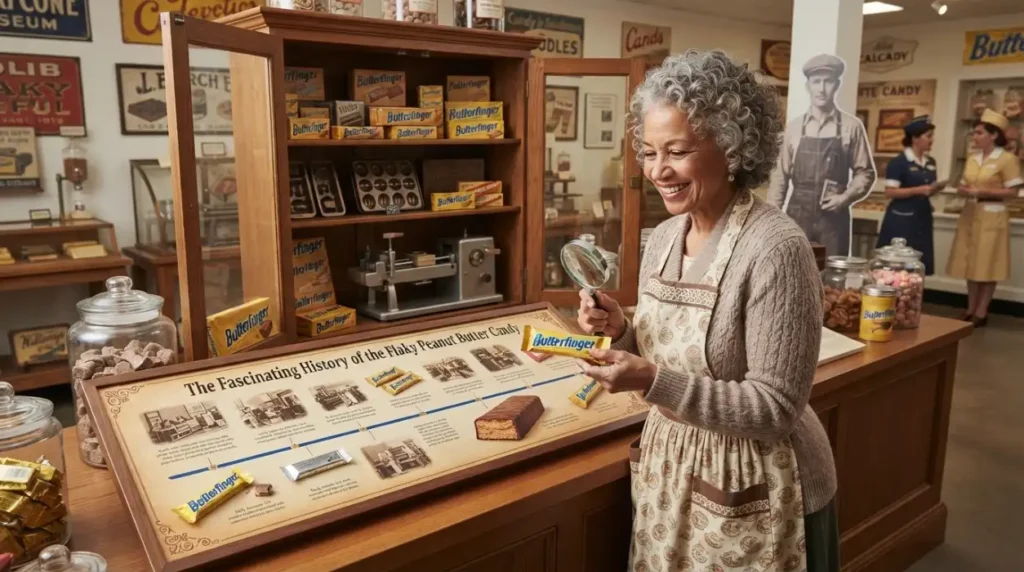
The story of this iconic candy bar stretches back over a century, beginning with creative confectioners who wanted to reinvent traditional peanut butter sweets. Curtiss Candy Company founder Otto Schnering held a public contest in 1923 to name his brand-new candy creation, inviting candy lovers across the country to submit catchy ideas.
A sports fan submitted the winning name, drawing inspiration from baseball slang used to describe players who dropped fly balls.
The name stuck immediately, giving birth to an American staple that would dominate candy aisles for decades to come.
Early Stunts That Put the Brand on the Map
In the early days of candy marketing, traditional newspaper ads were simply not enough to capture public attention. To promote his new bar, Otto Schnering devised daring promotional stunts that dropped candy directly from the sky.
Chartered airplanes flew over hundreds of major American cities, dropping thousands of individual candy bars attached to tiny paper parachutes.
These airborne marketing campaigns created immense excitement, cementing the brand’s reputation as a playful and innovative sweet treat.
Evolution of the Famous Catchphrases and Pop Culture
During the late 1980s and throughout the 1990s, television commercials propelled the candy bar into absolute pop culture stardom. The brand partnered with iconic animated characters whose mischief matched the playful nature of the crunchy bar.
Generation X and Millennials grew up hearing famous slogans warning everyone not to lay a finger on their favorite candy.
These memorable commercials made the snack an essential item in school lunchboxes, movie theater concession stands, and Halloween buckets nationwide.
Anatomy of the Crunchy Center: How It Works
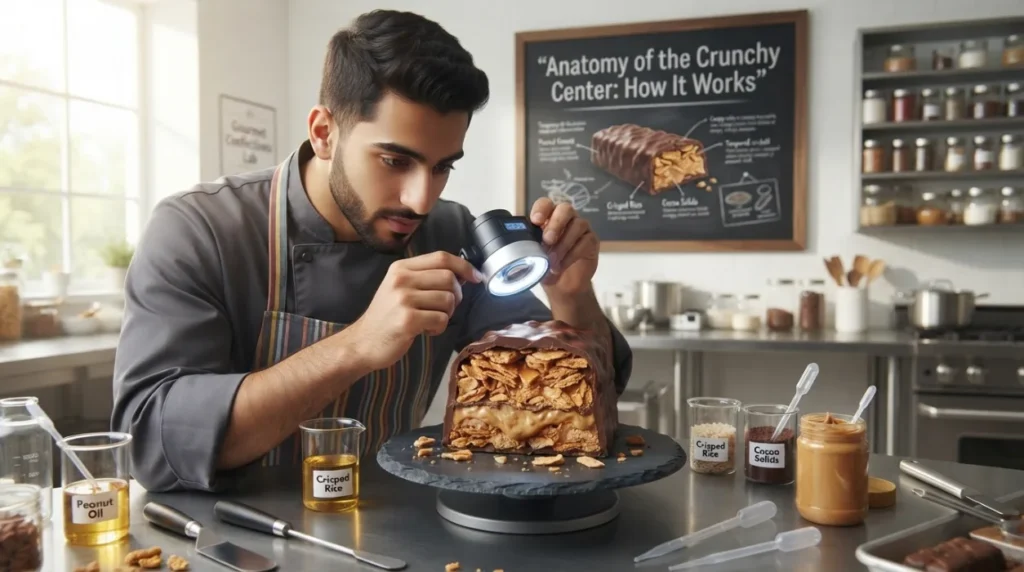
Have you ever wondered what creates that unique texture that shatters pleasantly in your mouth? Unlike dense fudge bars or chewy caramel candies, this treat features an aerated honeycomb structure that breaks apart smoothly.
Understanding the candy-making process reveals why no other chocolate bar quite matches this distinct eating experience.
Here is a simple look at the science and technique behind every crunchy layer.
The Lamination Process Behind the Crunch
The distinctive interior structure is created through a technique called lamination, which is very similar to making flaky croissant pastry. Candy makers mix roasted peanut paste with molten sugar and molasses until it reaches a workable dough consistency.
This warm peanut candy mass is repeatedly folded and rolled over itself dozens of times while cooling.
This folding process traps thousands of micro-thin layers of air and brittle sugar between layers of nutty peanut butter paste.
The Role of Molasses and Roasted Peanuts
Achieving the perfect balance between sweet sugar and savory peanut flavor requires precise temperature control during cooking.
- High-Temperature Boiling: Sugar and corn syrup are cooked at precise high temperatures to achieve the hard-crack candy stage.
- Freshly Roasted Peanuts: Roasted peanuts contribute natural oils that keep the brittle sugar matrix from becoming rock hard.
- Molasses Infusion: Molasses adds a subtle dark caramel note that deepens the overall flavor profile.
- Salt Enhancement: A tiny pinch of fine salt enhances the nutty flavor notes and balances the sweet chocolate coating.
Fun Size vs. Standard Bar: Comparing Portions and Nutrition
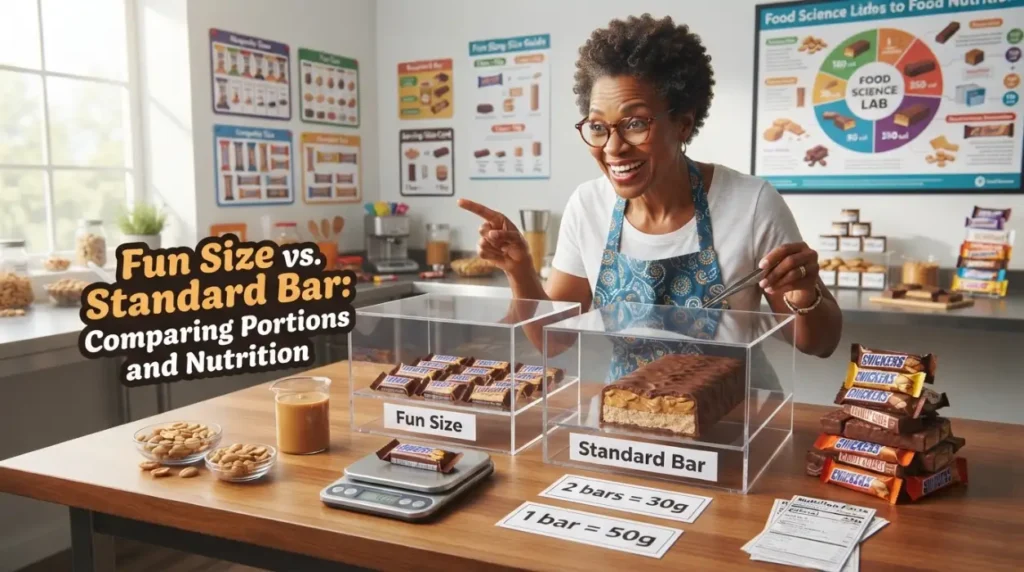
When you are craving a sweet treat, deciding between a miniature piece and a full-size bar often comes down to portion goals. Choosing a smaller bar lets you satisfy your sweet tooth without consuming a large number of calories in one sitting.
Comparing nutritional numbers helps you make mindful decisions that fit smoothly into your daily eating plan.
Understanding serving sizes empowers you to enjoy your favorite snacks while maintaining balanced nutritional habits.
Nutritional Breakdown of Bite-Sized Portions
Single miniature bars provide a controlled treat option that fits easily into balanced lifestyle routines.
- Calorie Control: A single miniature bar generally contains between 85 and 100 calories, depending on specific recipe updates.
- Fat Content: Each piece offers around 3.5 to 4 grams of total fat, primarily from roasted peanuts and vegetable oils.
- Sugars: Miniature pieces contain roughly 8 to 10 grams of sugar, delivering a quick energy boost.
- Sodium Levels: Thanks to the salted peanut center, each piece provides around 40 to 50 milligrams of sodium.
Why Miniatures Win for Snacking and Events
Portion-controlled snacks offer several distinct advantages over traditional large candy bars, especially when hosting gatherings or organizing events.
Large bags filled with individually wrapped pieces allow guests to sample small tastes without committing to a full-sized dessert.
Individually sealed wrappers keep every piece fresh, clean, and hygienic when shared in office breakrooms or classroom party bowls.
Creative Culinary Uses for Miniature Candy Bars
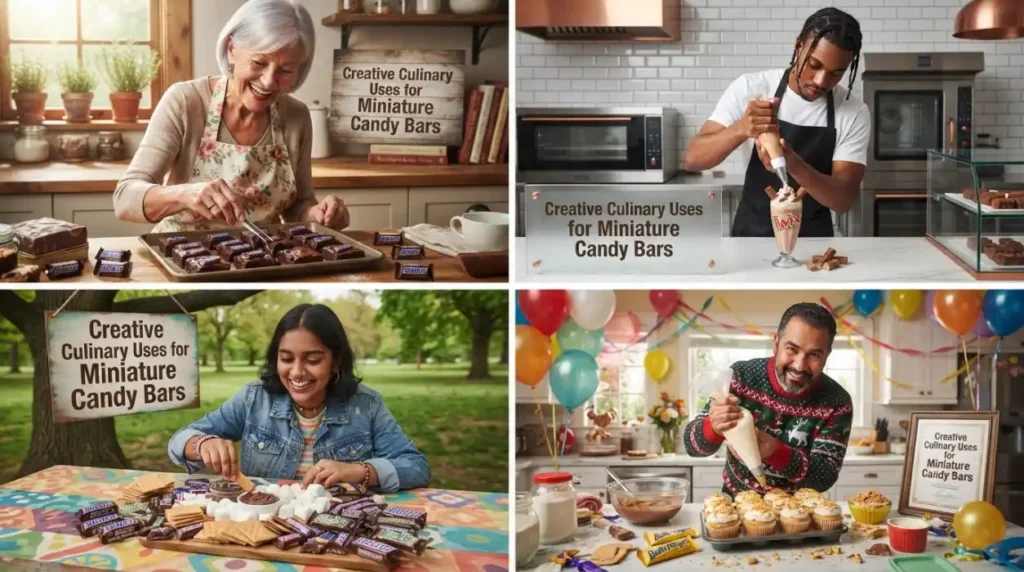
While eating a miniature bar straight out of the wrapper is always satisfying, using them as baking ingredients opens up incredible dessert possibilities. The crunchy texture and salty-sweet flavor profile make these candies an extraordinary addition to classic homemade baked goods.
Chopping these mini treats into coarse pieces creates gourmet ice cream toppings, cake mix-ins, and cookie garnishes.
Here are some simple, practical ways to elevate your home baking using leftover candy.
Easy Peanut Butter Crisp Cookies
Upgrading standard peanut butter cookies with chopped candy pieces creates an exciting texture contrast in every single bite. Simply prepare your favorite soft-baked peanut butter cookie dough as you normally would.
Fold coarsely chopped candy pieces into the dough right before chilling it in the refrigerator.
As the cookies bake, the chocolate melts slightly into the dough while the peanut center retains its delightful crunch.
No-Bake Ice Cream Pie and Milkshakes
If you want a fast, refreshing summer dessert without turning on your oven, miniature candy pieces are your best friend.
- Crispy Crust Lining: Press crushed candy pieces into the bottom of a graham cracker pie crust before filling it with vanilla ice cream.
- Gourmet Shake Blend: Blend two miniature bars into a vanilla milkshake for a thick, crunchy diner-style treat.
- Warm Fudge Sundaes: Sprinkle finely chopped pieces over warm fudge ice cream sundaes for instant restaurant-style flair.
- Brownie Layering: Scatter chopped candy across warm brownies during the last five minutes of baking to create a melted topping layer.
Smart Storage and Freshness Tips
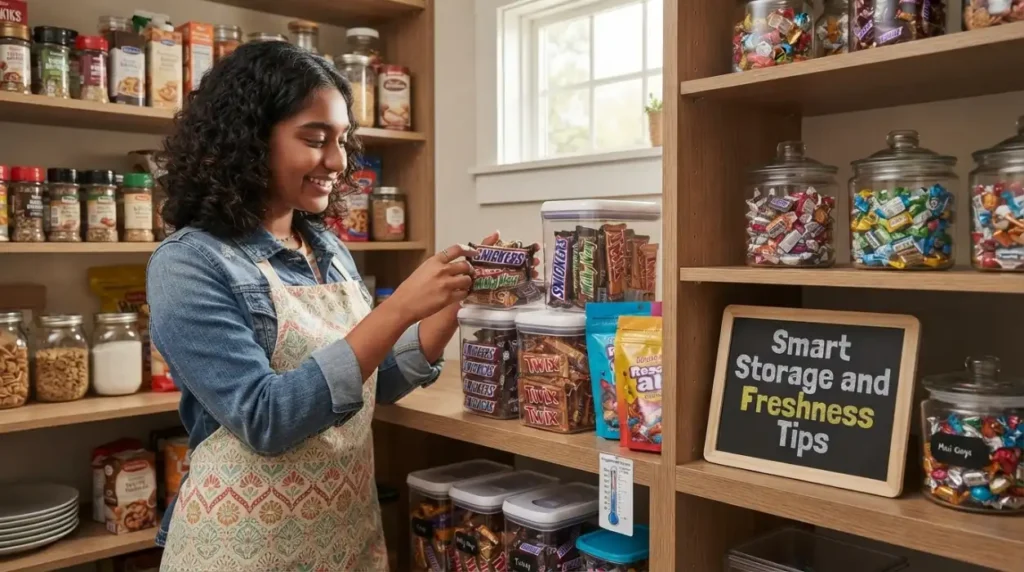
Nothing ruins a great snack faster than stale, soft candy that has lost its signature crispiness. Because the inner matrix absorbs moisture from surrounding air quickly, proper storage techniques are essential for keeping your stash fresh.
Following a few simple storage steps ensures that every wrapper you open delivers maximum crunch.
Keep these practical guidelines in mind to protect your candy investment throughout the year.
Keeping the Crunch Alive in Warm Climates
High heat and humidity are the primary enemies of layered peanut butter candies.
When exposed to temperatures above 75 degrees Fahrenheit, the chocolate coating softens,s and natural peanut oils can separate.
Store your candy bags in a cool, dark pantry or kitchen cabinet situated far away from ovens, microwaves, and direct sunlight.
Can You Freeze Miniature Candy Bars?
Freezing candy is an excellent way to extend its shelf life while creating a unique, chilled snacking experience. Place sealed candy bags inside an airtight plastic freezer container to shield them from ambient moisture and freezer odors.
Frozen pieces offer an intensely crisp bite that melts slowly and pleasantly on your tongue.
When thawing frozen candy for baking, let the bag sit on your kitchen counter at room temperature for an hour to prevent condensation.
Practice Exercise
Test your knowledge about candy history, manufacturing processes, nutrition, and storage tips by choosing the correct option for each question below.
- In what year was the original candy bar created following a public naming contest?
A. 1905
B. 1923
C. 1950
D. 1988 - What culinary technique creates the thousands of thin, flaky layers inside the peanut butter core?
A. Deep frying
B. Lamination
C. Pressure cooking
D. Fermentation - Approximately how many calories are in a single miniature portion of this candy?
A. 25 to 35 calories
B. 85 to 100 calories
C. 250 to 300 calories
D. 450 to 500 calories - Why should candy be stored in an airtight container when placed in the freezer?
A. To prevent the candy from changing colors
B. To shield it from ambient freezer moisture and unwanted odors
C. To stop the peanuts from growing larger
D. To dissolve the sugar coating - What happens when the layered peanut butter matrix is exposed to high humidity?
A. It becomes extra crunchy
B. It turns into liquid milk
C. It absorbs moisture and loses its crisp texture
D. It triples in physical size
Answer Key:
- B
- B
- B
- B
- C
FAQs
What makes the texture of this candy so crunchy?
The signature crunch comes from a specialized lamination process where warm peanut paste and cooked sugar are repeatedly folded together. This technique creates thousands of paper-thin candy layers that shatter easily and pleasantly when bitten.
Are miniature candy bars gluten-free?
While the main ingredients do not contain wheat, you should always check the manufacturer’s packaging label for current allergen facility statements. Cross-contact risks during processing can change, so reading current package warnings is essential for safety.
How many miniature bars come in a standard bag?
A standard fun size bag typically contains between 10 and 22 individually wrapped pieces depending on bag weight. Always check the net weight listed on the package front to know exact piece estimates.
Can I melt these candy bars to make a smooth dip?
Because the interior core contains brittle candy layers, these bars do not melt into a completely smooth dipping sauce. However, chop them finely and warm them gently with heavy cream to make a delicious textured ice cream sauce.
How long do unopened candy bags stay fresh?
Unopened candy stored in a cool, dry pantry retains peak crunch and flavor for 9 to 12 months. Keep bags away from heat sources and direct sunlight to prevent chocolate melting and oil separation.
Conclusion
Enjoying a fun-size Butterfinger treat brings together over a century of confectionery history, clever food science, and delightful snacking joy in one tiny package. Whether you appreciate the intricate laminated layers or simply love the salty-sweet combination of chocolate and roasted peanuts, these bite-sized treats never fail to satisfy.
From quick afternoon pick-me-ups to creative weekend baking projects, keeping a few mini bars in your pantry opens up delicious possibilities.
Their portion-controlled size makes it easy to enjoy a sweet moment while keeping your daily routine balanced.
Ready to put your sweet knowledge to practical use? Grab a bag of your favorite miniature treats today, try out an easy cookie recipe, and share the crunchy joy with friends!

Jack Olive is the creative mind behind buzzgiggles.com, a fun-focused website built to bring smiles, laughter, and lighthearted entertainment to everyday life. With a passion for humor and enjoyable content, Jack Olive creates and shares playful ideas, amusing stories, entertaining discoveries, and cheerful moments designed for readers of all kinds.
Through buzzgiggles.com, Jack Olive combines creativity, curiosity, and a positive sense of humor to explore the lighter side of life. Whether visitors are looking for a quick laugh, something interesting to share, or a cheerful break from their routine, the website offers content created with fun in mind. Jack Olive believes great entertainment should be easy to enjoy, memorable, and capable of brightening someone’s day.