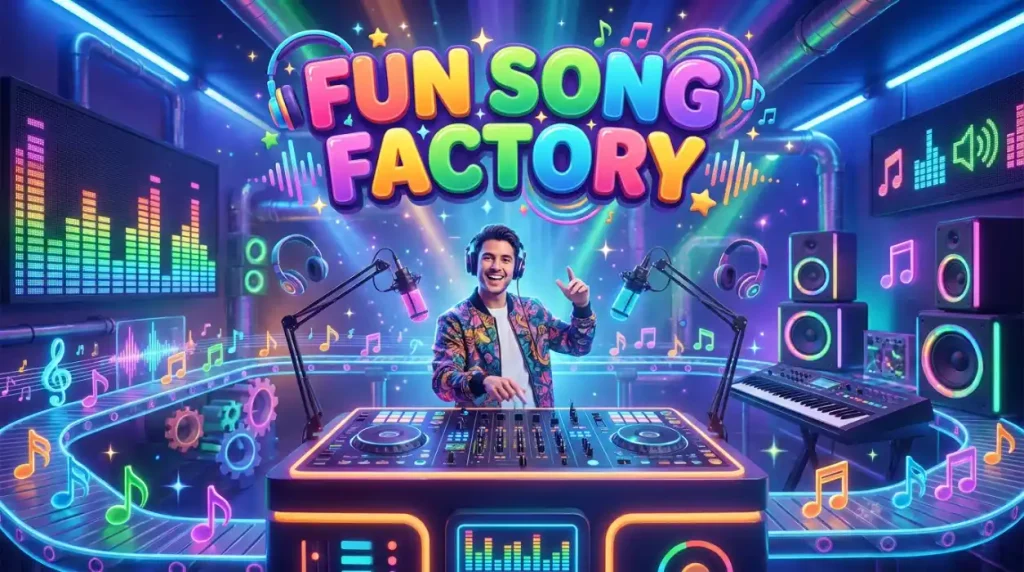
Fun Song Factory is an iconic British children’s musical television franchise created in 1994 by Will Brenton and Iain Lauchlan. Combining live-action presenters, costumed factory characters, and classic nursery rhymes, the franchise taught pre-schoolers fundamental rhythm, melody, and movement skills through joyful, interactive musical storytelling.
Have you ever caught yourself humming a childhood melody and instantly getting transported back to a brighter, simpler time? Stepping back into the world of Fun Song Factory feels like re-opening a treasured musical gift box from your early years.
This beloved British musical franchise transformed simple nursery rhymes into high-energy theatrical performances that captivated millions of young viewers. Exploring the legacy of Fun Song Factory reveals how clever stage production, catchy arrangements, and warm performers made learning music feel like absolute magic.
Whether you grew up watching the original direct-to-video releases or discovered the broadcast television series later on, the show’s joyful spirit remains undeniable. Understanding how Fun Song Factory crafted its iconic episodes gives us a wonderful peek into the golden era of children’s entertainment.
Let’s explore the origin history, memorable characters, musical building blocks, and creative secrets that made this series a timeless favorite. Get ready to tap your toes and sing along!
The Origins of Fun Song Factory: From Stage Vision to Screen Sensation
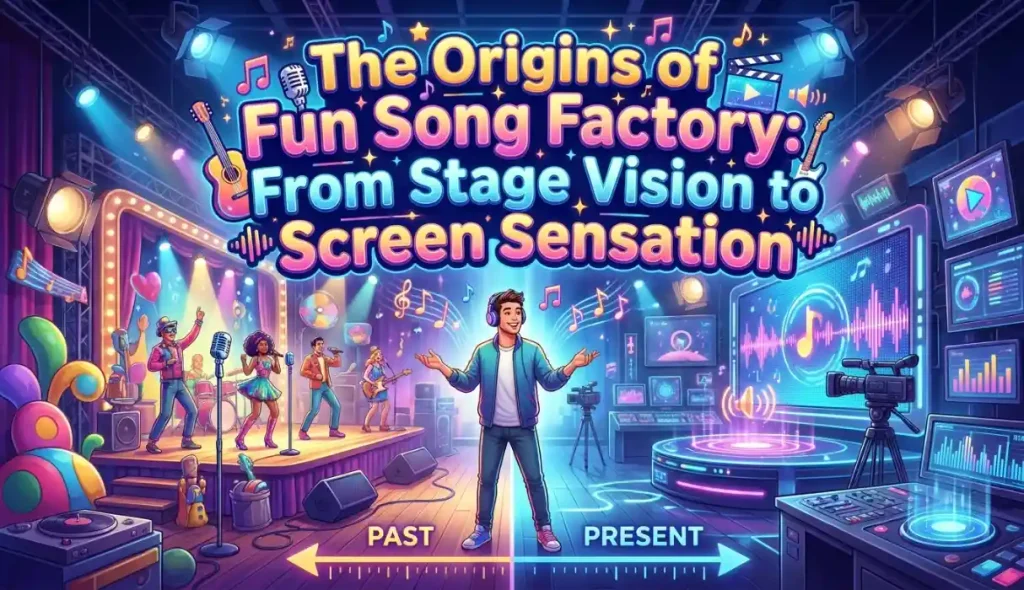
During the early 1990s, children’s media was undergoing a major shift away from slow-paced storytelling toward energetic, movement-based entertainment. Creators Will Brenton and Iain Lauchlan, who had extensive experience working on iconic BBC children’s programming, recognized a huge opportunity.
They set out to build an immersive world where music wasn’t just played in the background, but manufactured right before the audience’s eyes.
The Original Direct-to-Video Era (1994–1997)
The franchise made its official debut in 1994 with a live-action stage recording titled Seven Games To Play, distributed directly on VHS tape. Filmed inside a real theater in front of a live audience of cheering children, the release captured raw, infectious energy.
Presenters Dave Benson Phillips and Sally Gray led the original cast, combining enthusiastic dance steps with crystal-clear vocal delivery.
- Seven Games To Play (1994): Introduced the core concept of gathering musical notes to fuel the factory machinery.
- Fun Song Factory 2 (1996): Expanded the set design with brighter prop machinery and interactive crowd games.
- Christmas Party (1996): Blended holiday carols with playful factory antics, becoming a top-selling festive video.
- Farmyard Frolics (1997): Brought animal-themed folk tunes and outdoor play routines into the performance lineup.
The Transition to Broadcast Television (1998–2004)
Following massive home video sales, GMTV acquired the rights to broadcast a serialized version of the show under the title It’s A Fun Song Factory! in 1998. The production moved from a theater stage into a dedicated studio set packed with oversized gears, colorful steam pipes, and glowing buttons.
A second major television reboot aired on CITV in 2004 featuring a fresh generation of energetic presenters, including Laura Hamilton and Aston Merrygold.
Inside the Musical Engine: How the Factory Actually Worked
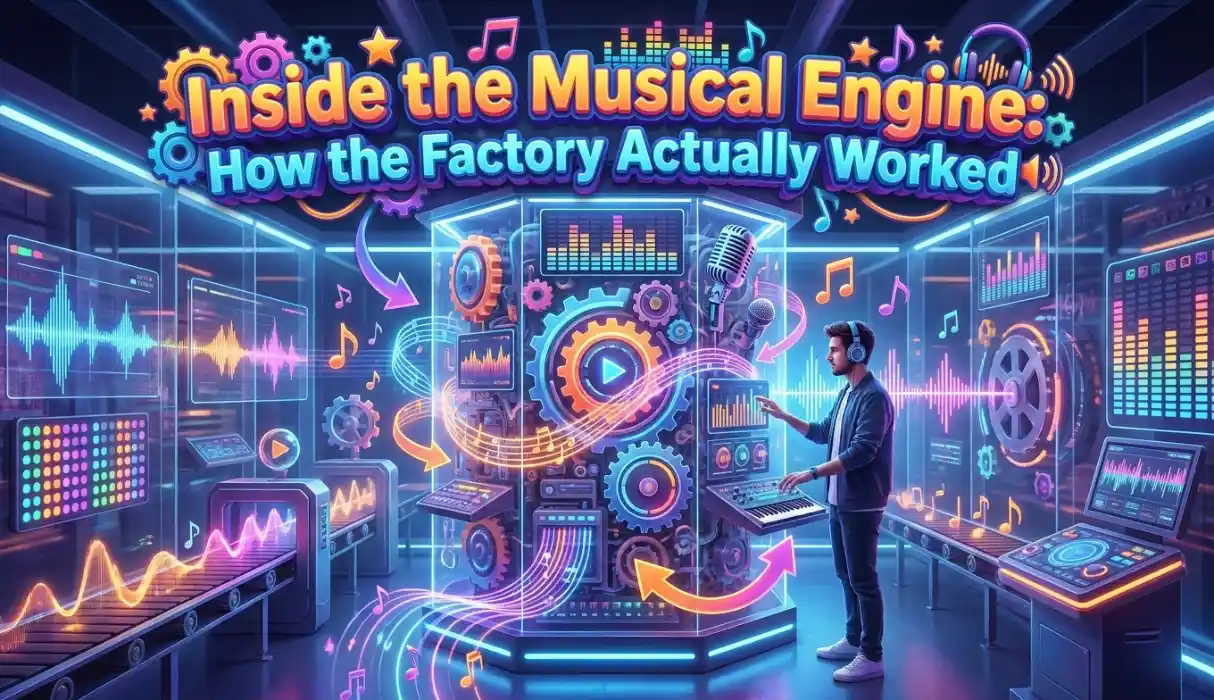
The central narrative hook of the series was brilliant in its simplicity. The factory was a magical building that ran entirely on music, laughter, and audience participation rather than oil or electricity.
If the children stopped singing or clapping, the giant factory clock would tick down, and the machinery would grind to a sudden halt.
Gathering Music Notes and Fueling the Factory Clock
Every episode followed a structured narrative arc that taught young viewers about problem-solving and teamwork. The factory workers needed to complete specific musical tasks to generate colorful “note tokens” or keep the main power gauge full.
This framework kept children actively engaged at home, prompting them to stand up, jump, and shout out answers directly at their television screens.
The Role of Costumed Characters and Presenters
The success of the show relied heavily on the natural chemistry between human presenters and lovable costumed factory characters. While presenters guided the educational games, characters like Speedy, Ozzy, and Fred provided physical comedy and slapstick humor.
This balance ensured that toddlers remained entertained by visual gags while older children followed along with finger-plays and lyric patterns.
Educational Benefits: Why Early Music Exposure Matters
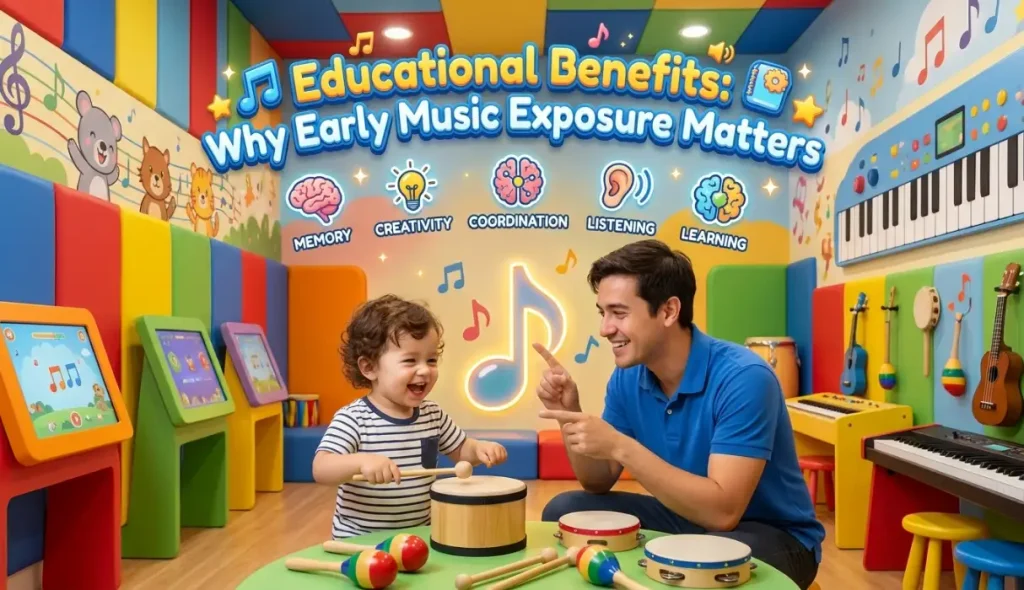
Behind the colorful costumes and bubbly songs sat a well-crafted early childhood music curriculum. Early exposure to structured melody and steady rhythm plays a vital role in early brain development, language acquisition, and motor skill control.
Let’s examine the core developmental benefits embedded within these playful musical routines.
Rhythm, Coordination, and Gross Motor Skills
Many songs featured explicit physical movement instructions, such as clapping hands, stomping feet, or balancing on one leg. Following these instructions in time with a live band required children to practice physical coordination and spatial awareness.
Crossing the body’s midline during cross-body arm motions helped build neural connections essential for early reading and writing skills.
Vocabulary Growth and Phonemic Awareness
Traditional nursery rhymes are packed with rhyming couplets, alliteration, and repetitive phrase structures. Repeating these phonetic patterns strengthens a child’s ear for subtle language sounds, building a strong foundation for speech development.
Songs like “The Wheels on the Bus” or “Old MacDonald Had a Farm” introduced new nouns, verbs, and animal sounds in an effortless, memorable context.
Iconic Songs and Medleys That Defined a Generation

The musical arrangements in the series stood out because they respected young ears. Rather than using cheap synthetic tracks, productions frequently featured full horn sections, live acoustic guitars, and punchy drum kits.
Here is a breakdown of the primary song categories that kept audiences singing along.
Action Songs and Finger-Play Classics
Action songs required immediate physical participation, making them instant hits during live stage shows. Songs like “Head, Shoulders, Knees, and Toes” or “If You’re Happy and You Know It” taught anatomy and emotional expression through movement.
Finger-play tracks like “Incy Wincy Spider” refined fine motor control by asking small hands to mimic climbing movements.
Storytelling Ballads and Folk Melodies
Between high-energy dance numbers, the show slowed its tempo with gentle storytelling ballads like “Row, Row, Row Your Boat” or “Lavender’s Blue.” These softer tracks allowed young hearts and minds to rest while absorbing melody structures.
Exposing young children to varied musical tempos helps develop emotional regulation and listening comprehension skills.
The Legacy and Cultural Impact of Children’s Musical TV
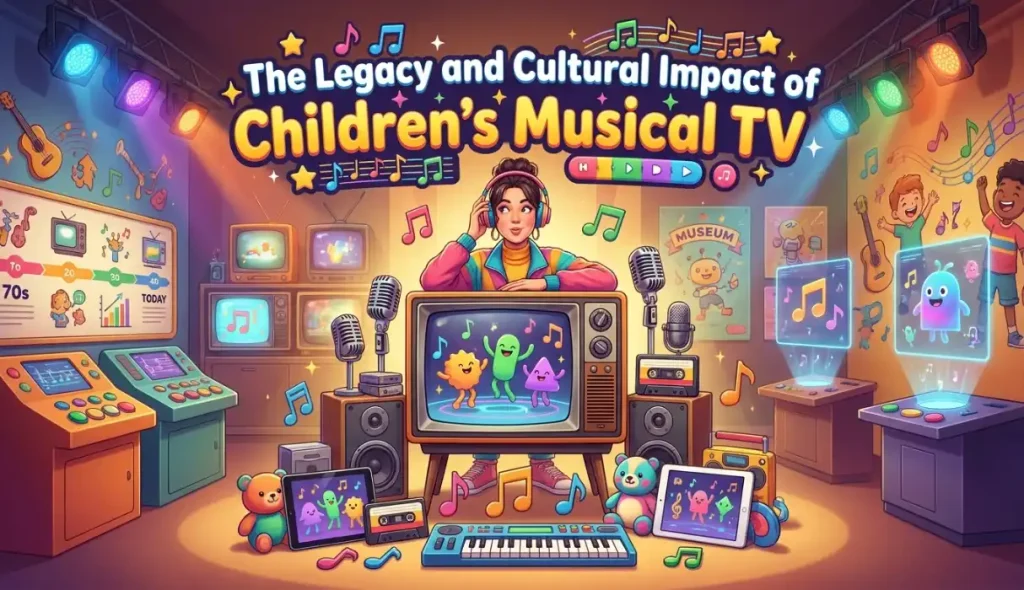
The creative principles pioneered by this series continue to influence modern children’s entertainment today. Shows such as The Wiggles, CoComelon, and Blippi rely on the same combination of bright primary colors, direct camera address, and repetitive musical loops.
Understanding how early pioneers constructed interactive television helps us appreciate the art of early childhood programming.
Discovering Future Stars and Creative Minds
Looking back at vintage broadcast episodes reveals early performances from actors and musicians who later achieved massive mainstream success. Aston Merrygold, who hosted the 2004 reboot, went on to achieve global fame as a member of the chart-topping pop group JLS.
Co-creators Will Brenton and Iain Lauchlan went on to create other hugely successful global children’s franchises, including Tweenies and Boo!.
Why Nostalgia Keeps Classic Shows Alive
In our fast-paced modern media landscape, parents who grew up in the 1990s frequently seek out classic shows to share with their own children. Vintage episodes offer a gentle, non-overstimulating viewing experience that feels safe, wholesome, and genuinely uplifting.
Digital video archives and fan communities keep the legacy of early musical television thriving for new generations to discover.
Practice Exercise
Test your knowledge of the history, cast members, and musical concepts behind early children’s programming with these 5 multiple-choice questions.
- Who originally co-created the children’s musical franchise in 1994?
A. Andrew Lloyd Webber and Cameron Mackintosh
B. Will Brenton and Iain Lauchlan
C. Jim Henson and Frank Oz
D. Walt Disney and Roy Disney - What was the central narrative mechanic used to keep the factory running during episodes?
A. Burning coal inside a high-temperature furnace
B. Feeding the machinery with song, laughter, and audience participation
C. Inserting metal coins into a mechanical slot machine
D. Charging the building using solar panels on the roof - Which presenter co-hosted the original 1994 VHS release alongside Sally Gray?
A. Dave Benson Phillips
B. Simon Cowell
C. Declan Donnelly
D. Philip Schofield - How do interactive action songs like “Head, Shoulders, Knees, and Toes” assist child development?
A. By teaching complex high school trigonometry equations
B. By building physical coordination, gross motor skills, and body awareness
C. By training children to operate commercial industrial machinery
D. By improving professional typewriter typing speeds - Which presenter from the 2004 television reboot went on to achieve fame as a member of the pop band JLS?
A. Harry Styles
B. Aston Merrygold
C. Robbie Williams
D. Gary Barlow
Answer Key:
- B
- B
- A
- B
- B
FAQs
Where can I watch old episodes of the show today?
Vintage episodes and original VHS recordings can often be found uploaded by fan communities on digital video platforms like YouTube. Some original DVD compilations also circulate on pre-owned media marketplaces online.
What age group was the show originally designed for?
The series was specifically tailored for pre-school children aged 2 to 6 years old. The simple vocabulary, bright primary colors, and repetitive musical rhythms matched early childhood developmental capabilities perfectly.
Why was live music preferred over pre-recorded backing tracks during stage shows?
Live instrumental arrangements allowed performers to adjust their tempo dynamically based on audience energy levin response tochildren needed more time to learn a dance step, the musicians could slow down instantly without interrupting the show.
Did the show tour outside of television studio sets?
Yes, the franchise maintained a popular live touring production that visited regional theaters across the United Kingdom. These stage shows allowed young fans to interact with their favorite costumed factory characters in person.
How many television series were made in total?
Two main broadcast series total wereere produced: the original morning TV run on GMTV in the late 1990s, and a major revamped afternoon series on CITV in 2004.
Conclusion
Revisiting the bright world of Fun Song Factory reminds us of the timeless power of simple, heart-filled musical entertainment. By blending catchy nursery rhymes, energetic stage choreography, and warm, friendly performers, the franchise created a magical learning environment that defined a generation of childhood memories.
Whether you are reliving fond childhood nostalgia or introducing classic musical play to young ears today, these joyful melodies continue to bring smiles to listeners of all ages.
Turn on your favorite classic song, gather the family, and keep the magical music playing today!

Jack Olive is the creative mind behind buzzgiggles.com, a fun-focused website built to bring smiles, laughter, and lighthearted entertainment to everyday life. With a passion for humor and enjoyable content, Jack Olive creates and shares playful ideas, amusing stories, entertaining discoveries, and cheerful moments designed for readers of all kinds.
Through buzzgiggles.com, Jack Olive combines creativity, curiosity, and a positive sense of humor to explore the lighter side of life. Whether visitors are looking for a quick laugh, something interesting to share, or a cheerful break from their routine, the website offers content created with fun in mind. Jack Olive believes great entertainment should be easy to enjoy, memorable, and capable of brightening someone’s day.