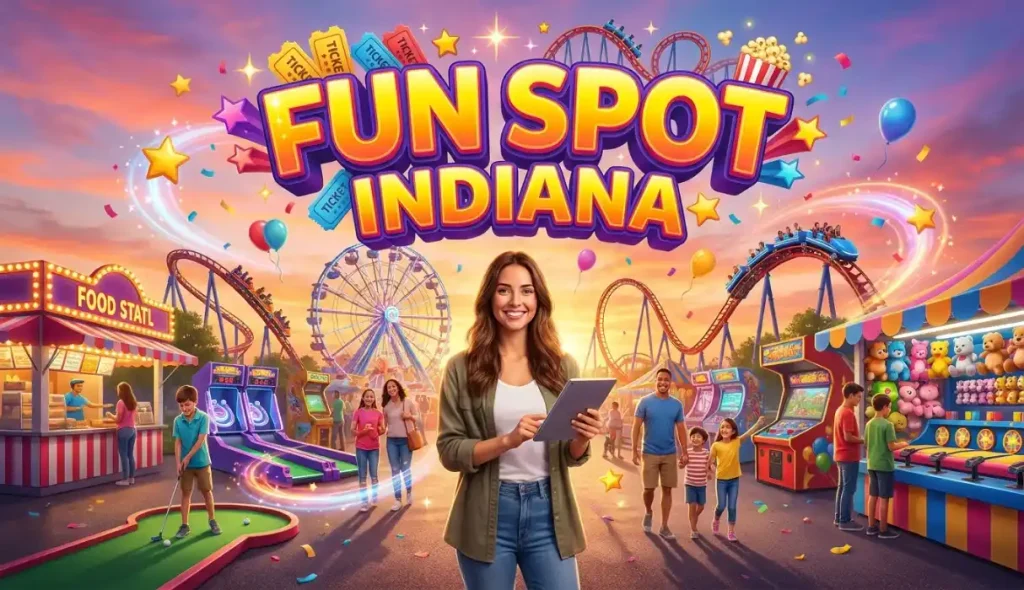
Fun Spot Indiana (formerly Fun Spot Park in Angola, Indiana) was a beloved regional amusement park famous for operating the Afterburner, Indiana’s first inverted roller coaster. Though the park permanently closed, its legacy as a classic Midwestern fun spot Indiana destination lives on in coaster history and regional amusement lore.
Have you ever looked back at old family photos and remembered the distinct smell of fresh funnel cake mixed with whirring coaster engines? Rediscovering the history behind Fun Spot Indiana brings back wonderful memories of Midwestern amusement park culture.
For decades, families flocked to Angola to experience high-speed go-karts, classic carnival games, and thrilling wooden tracks. Exploring the legacy of Fun Spot Indiana helps theme park fans appreciate how small regional parks shaped American entertainment history.
Whether you visited the original park as a child or are researching historical coasters across the Midwest, this destination holds a special place in park lore. Learning about Fun Spot Indiana gives us a fascinating glimpse into classic roadside attractions and regional thrill rides.
Let’s explore the origin story, famous coasters, park milestones, and modern alternatives for road-trippers today. Get ready to take a nostalgic ride down memory lane!
The Story of Angola’s Iconic Amusement Park
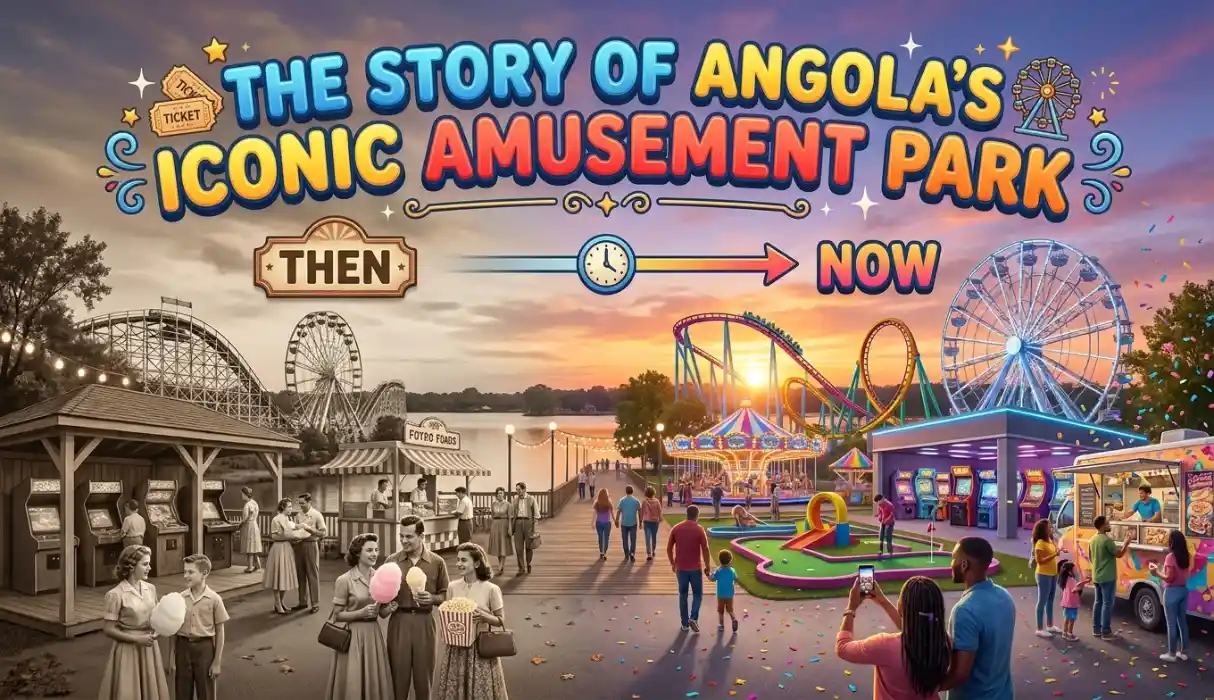
Long before massive corporate theme parks dominated the Midwest, smaller family-owned venues provided affordable weekend thrills. Fun Spot Park in Angola, Indiana, opened its gates to eager local families seeking summer excitement close to home.
Its classic roadside charm and accessible pricing made it a staple destination for school trips and summer family reunions across the region.
From Small Fun Center to Regional Attraction
The park began as a modest recreation area focused on family entertainment, featuring simple rides, concession stands, and mini-golf. Over the decades, thoughtful expansions brought bigger thrill rides, transforming the quiet property into a full-scale amusement park.
By blending classic carnival charm with permanent steel coaster installations, the venue successfully drew visitors from neighboring states like Michigan and Ohio.
- Accessible Location: Situated right off major highway corridors, making day trips convenient for regional families.
- Affordable Family Admission: Maintained low gate fees compared to giant multi-park resorts in major cities.
- Classic Fairground Atmosphere: Combined neon lights, midway skill games, and classic fried park snacks.
- Community Focus: Hosted local school events, youth sports celebrations, and seasonal holiday festivals.
The Rise of Midwestern Regional Parks
During the late twentieth century, regional parks filled a vital role in American tourism. Families did not always have the budget or vacation time to travel across the country to mega-resorts.
Local spots provided the same thrill of wind in your hair and cotton candy on your fingers, right in your own backyard.
The Famous Rides That Defined the Park Experience
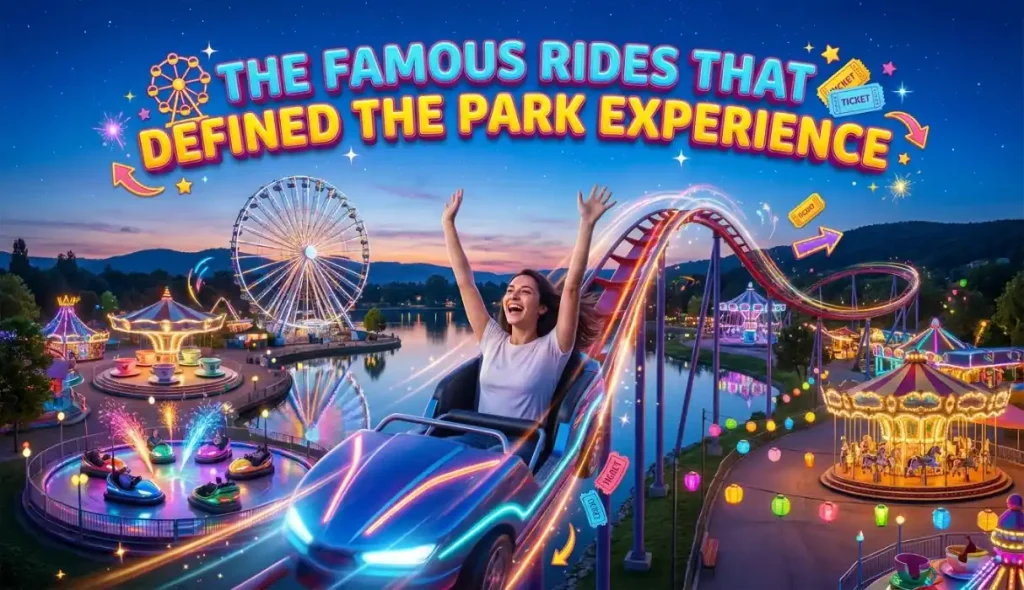
Every classic park has a signature attraction that defines its reputation among thrill-seekers. For Angola’s famous park, a mix of steel thrill coasters, gentle family spinners, and wet splash rides kept lines moving all summer long.
Let’s look back at the classic attractions that guests talked about all the way home.
The Afterburner: A Landmark Midwestern Coaster
The crown jewel of the park’s ride lineup was undoubtedly the Afterburner roller coaster. Built as an arrow-loop arrow-shuttle coaster model, it held the distinction of being Indiana’s very first inverted steel coaster.
Riders were pulled backward up a steep launch tower before being released forward through a giant vertical loop at high speeds.
Family Classics and Midway Attractions
Beyond the headliner coaster, the park offered a well-balanced mix of rides tailored for visitors of every age group. Parents could ride alongside toddlers on the vintage carousel or race teenagers on the multi-lane go-kart track.
- The Ferris Wheel: Offered sweeping panoramic views of the surrounding Indiana countryside and lake regions.
- Bumper Cars: A noisy, chaotic favorite where kids could test their driving skills against parents.
- The Log Flume: Provided a welcome cooling splash during hot, humid July afternoons.
- The Scrambler: Spun riders around in fast, dizzying geometric circles that caused endless laughter.
What Happened to the Park? Transition and History
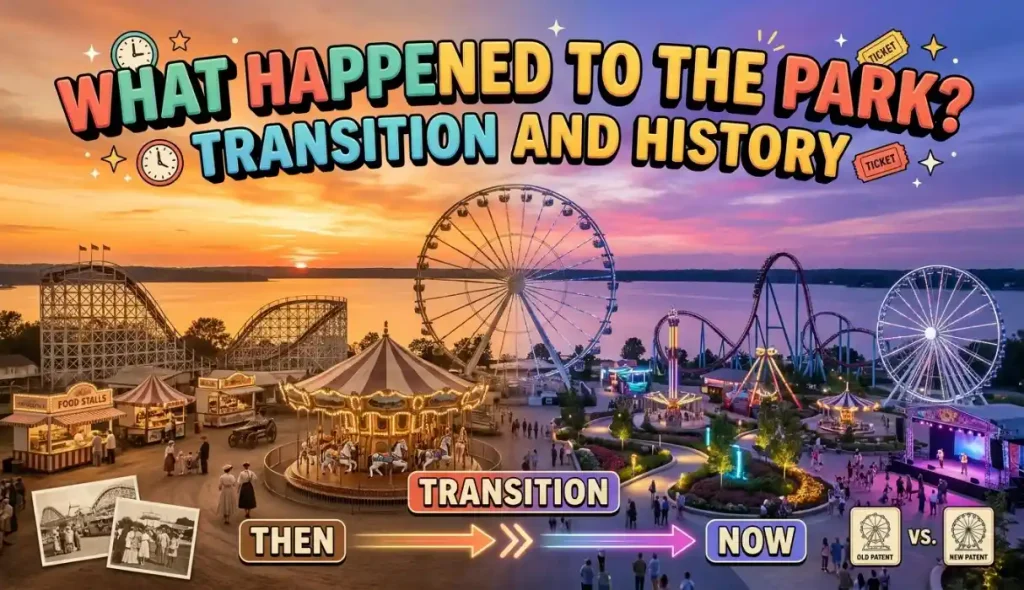
As time moved on, the amusement park industry shifted toward massive, multi-million-dollar capital investments. Small independent parks faced growing operational costs, insurance requirements, and competition from large entertainment conglomerates.
Understanding the park’s eventual closure helps us see how changing consumer tastes impacted regional tourism.
Changing Trends in Theme Park Tourism
By the mid-2000s, guest expectations began leaning toward massive themed environments, immersive dark rides, and high-tech digital experiences. Maintaining aging mechanical rides required significant specialized labor and costly replacement parts.
Despite a loyal fan base, attendance numbers gradually declined as families sought out larger destination resorts.
Preservation of Coaster History and Equipment
When the park eventually ceased operations, its memorable rides did not simply disappear into thin air. Roller coaster enthusiasts and industry preservationists tracked where the machinery moved after park liquidation auctions.
Certain flat rides and roller coaster cars were refurbished and sold to other independent parks, keeping their legacy alive on new tracks.
Modern Alternatives for Indiana Fun Seekers Today
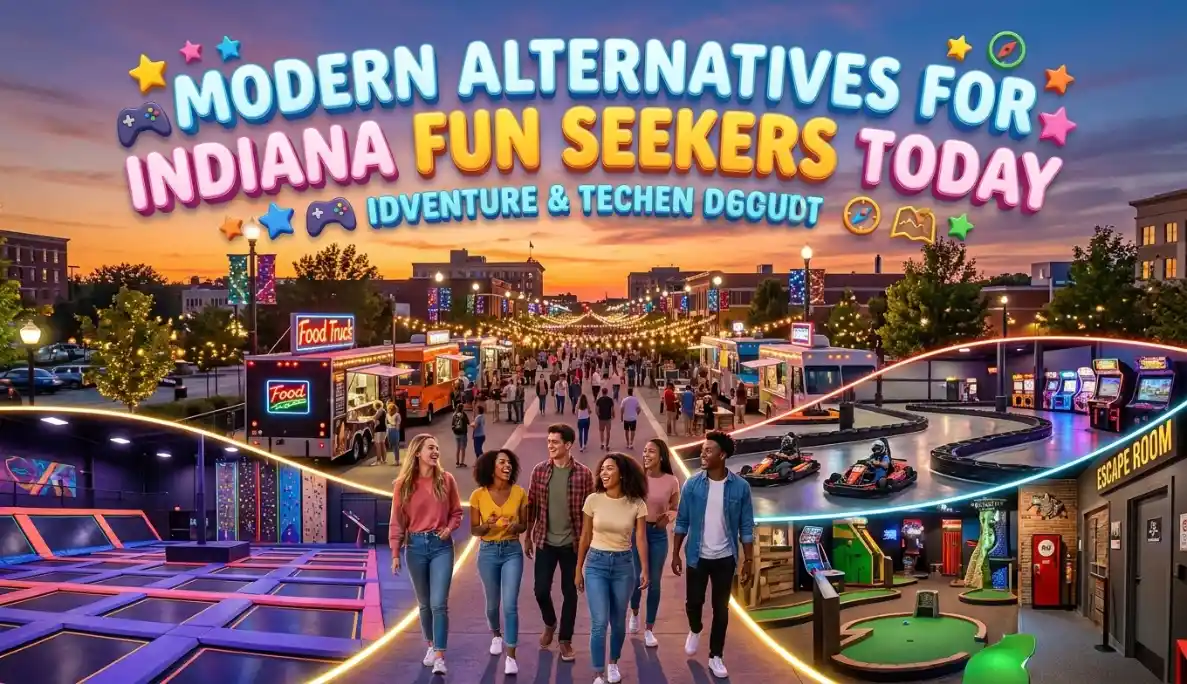
While the Angola park remains a fond memory, Indiana and its surrounding midwestern neighbors continue to host incredible amusement parks. Families looking for roller coasters, water slides, and weekend getaway spots have fantastic options available today.
Here are top-tier regional destinations that capture that same joyful spirit of Midwestern summer fun.
Classic Indiana Amusement and Water Parks
Indiana is home to award-winning parks that continue to set global standards for guest service and coaster innovation. Holiday World & Splashin’ Safari in Santa Claus, Indiana, is world-renowned for its top-ranked wooden coasters and free soft drinks.
Indiana Beach in Monticello offers a nostalgic boardwalk atmosphere right on the shores of Lake Shafer, packed with classic rides.
Planning a Great Regional Park Road Trip
- Check Calendar Schedules: Verify park operating hours and seasonal closing dates before booking travel arrangements.
- Buy Tickets Online: Purchasing advance tickets on official park websites often unlocks significant group discounts.
- Pack Smart Essentials: Bring sunblock, comfortable walking shoes, and refillable water bottles for long park days.
- Arrive at Gate Opening: Beating the morning rush allows you to ride popular coasters with shorter wait times.
Practice Exercise
Test your knowledge of regional Indiana park history, famous coaster designs, and travel planning with these 5 multiple-choice questions.
- In which Indiana city was the historical Fun Spot Park located?
A. Indianapolis
B. Angola
C. South Bend
D. Bloomington - What made the Afterburner roller coaster historically significant in Indiana theme park history?
A. It was the tallest wooden coaster in the world.
B. It was Indiana’s first inverted steel roller coaster.
C. It was constructed entirely out of recycled plastic.
D. It operated completely underwater inside a glass tunnel. - Which ride provided a steep water drop to cool guests off during hot summer days?
A. The Ferris Wheel
B. The Log Flume
C. The Scrambler
D. The Go-Kart Track - What major industry trend made it difficult for small independent parks to compete in the 2000s?
A. A total ban on eating cotton candy in public parks
B. Rising operational costs and competition from massive corporate destination resorts
C. The complete replacement of roller coasters with virtual reality headsets
D. A nationwide shortage of neon paint - Which current Indiana amusement park is famous for its lakefront boardwalk setting in Monticello?
A. Indiana Beach
B. Disney World
C. Cedar Point
D. Six Flags Great America
Answer Key:
- B
- B
- B
- B
- A
FAQs
Is the original Angola park still open for visitors today?
No, the original park in Angola, Indiana, closed its doors permanently to the public. The property was cleared, but its rides and historic coasters remain legendary among regional theme park historians and local fans.
Where did the famous Afterburner roller coaster go after the park closed?
Following the park’s closure, the Afterburner coaster was dismantled during liquidation auctions. Parts and cars from Arrow shuttle coasters of that era were frequently sold to other parks for refurbishment or spare components.
What are the best alternative amusement parks to visit in Indiana now?
Holiday World & Splashin’ Safari in Santa Claus and Indiana Beach in Monticello are the top active amusement parks in Indiana today. Both offer incredible roller coasters, family rides, and water attractions for all ages.
Why were regional parks so popular in the late twentieth century?
Regional parks offered affordable, accessible entertainment close to home without requiring expensive cross-country travel. They provided families with quick weekend getaways featuring rides, carnival food, and games at budget-friendly prices.
What types of rides were most common at classic Midwestern fun spots?
Classic parks featured a balanced mix of steel or wooden roller coasters, log flumes, bumper cars, carousels, and go-kart tracks. These varied attractions ensured that toddlers, teens, and grandparents all had fun options to enjoy.
Conclusion
Exploring the history of Fun Spot Indiana reminds us of the magic that regional amusement parks brought to everyday Midwestern life. From the adrenaline-pumping inversion loops of the Afterburner to simple evenings spent on the Ferris wheel, Angola’s park created timeless memories.
While that chapter of coaster history has closed, the spirit of affordable family entertainment lives on in Indiana’s modern theme parks today.
Pack up your road trip snacks, gather your family, and go make some fresh summer memories at a regional park near you!

Jack Olive is the creative mind behind buzzgiggles.com, a fun-focused website built to bring smiles, laughter, and lighthearted entertainment to everyday life. With a passion for humor and enjoyable content, Jack Olive creates and shares playful ideas, amusing stories, entertaining discoveries, and cheerful moments designed for readers of all kinds.
Through buzzgiggles.com, Jack Olive combines creativity, curiosity, and a positive sense of humor to explore the lighter side of life. Whether visitors are looking for a quick laugh, something interesting to share, or a cheerful break from their routine, the website offers content created with fun in mind. Jack Olive believes great entertainment should be easy to enjoy, memorable, and capable of brightening someone’s day.