
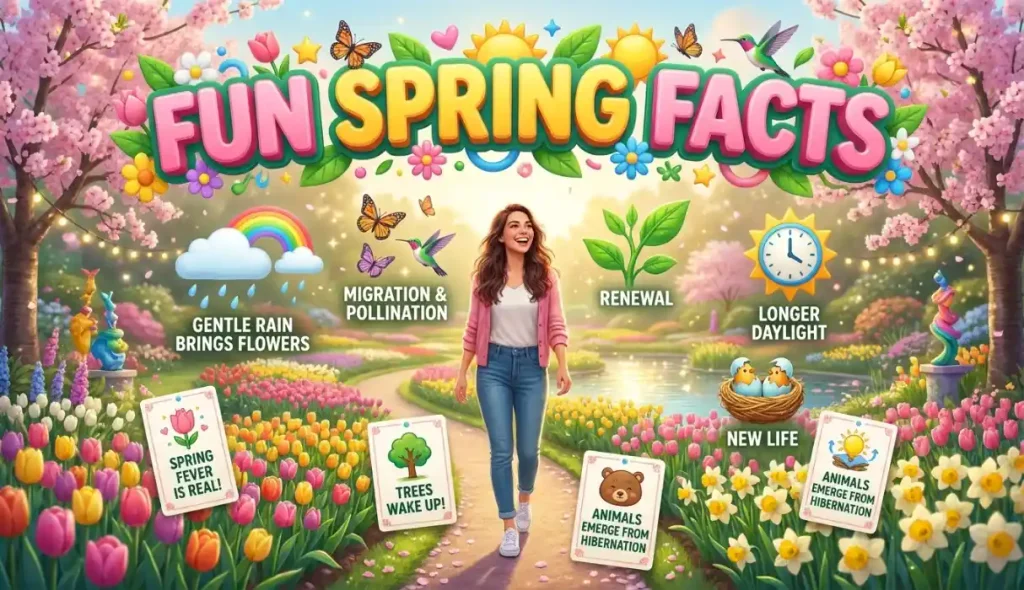
Spring is the season of renewal, marked by the vernal equinox when day and night reach near-equal length worldwide. Discovering fun spring facts reveals how tilting planetary axes trigger rapid animal migrations, vibrant floral blooms, warmer breezes, and shifting weather patterns across the Northern Hemisphere.
Have you ever wondered why birds suddenly burst into loud morning songs as winter chill fades away? Exploring fun spring facts shows us how the natural world wakes up after months of quiet winter sleep.
For centuries, cultures around the globe have celebrated the arrival of warmer days with festivals, blooming flowers, and outdoor games. Learning these fun spring facts helps us appreciate the amazing science behind shifting sunshine and growing gardens.
Whether you want cool trivia to share with friends or simple explanations of seasonal change, this guide covers everything. Uncovering these fun spring facts reveals how plants, animals, and even our own moods change as springtime arrives.
Let’s explore astronomical alignments, animal wake-up calls, plant biology, weather quirks, and global traditions. Get ready to discover the most fascinating secrets of the spring season!
The Astronomical Magic Behind Springtime
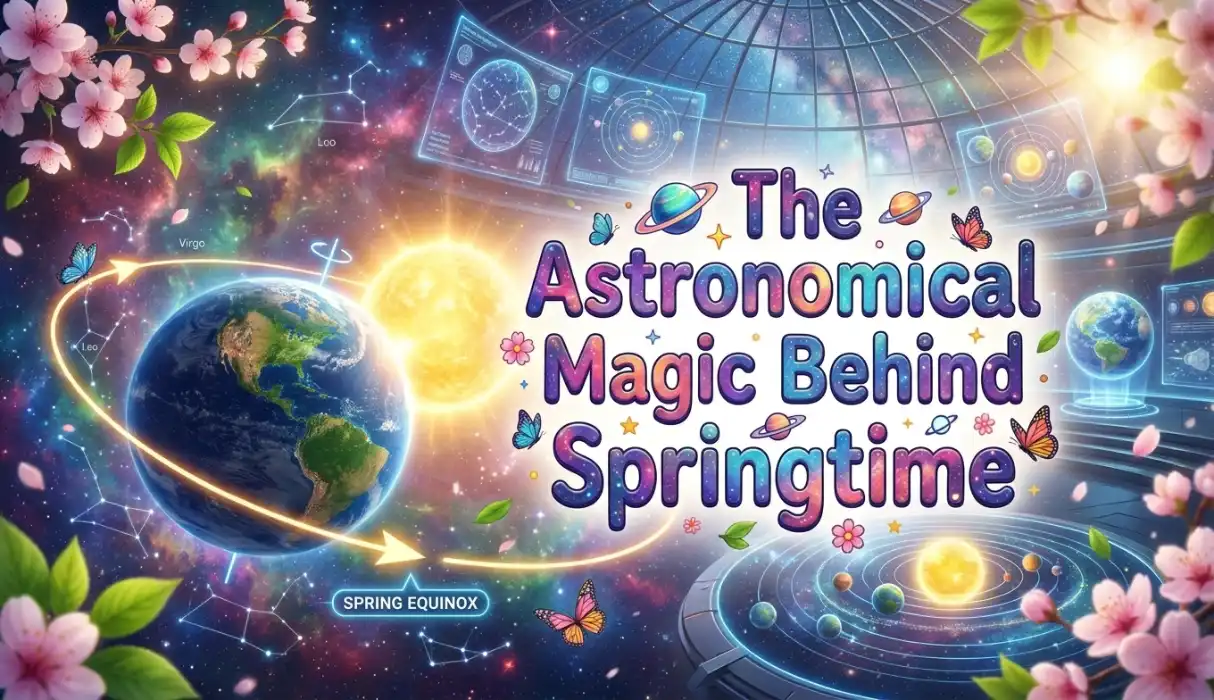
Spring does not just appear by accident on our calendars. It is driven by the movement of planet Earth as it orbits the sun at high speeds.
Understanding how our planet tilts explains why temperatures warm up so quickly during this vibrant season.
Understanding the Vernal Equinox
The official start of spring is marked by the vernal equinox, which usually occurs around March 19 to 21 in the Northern Hemisphere. During an equinox, the Earth’s axis points neither toward nor away from the sun.
This unique position means that almost every location on Earth gets about twelve hours of daylight and twelve hours of darkness on that single day.
- Equal Balance: Sunlight hits the equator directly, creating a balanced split between day and night.
- Latin Roots: The word “equinox” originates from Latin terms meaning “equal night.”
- Hemisphere Flip: While the Northern Hemisphere enters spring, the Southern Hemisphere enters autumn simultaneously.
- Changing Dates: The exact time of the equinox shifts slightly every year because our calendar year does not match Earth’s orbit perfectly.
Why Daylight Hours Grow Longer Each Day
After the spring equinox passes, the Northern Hemisphere tilts progressively closer to the sun. This shift causes the sun to track higher across the daily sky, extending light hours into early evening.
Extra hours of sunlight provide the solar energy that fuels growing plants and keeps outdoor temperatures rising.
How Nature Awakens: Plants, Flowers, and Trees
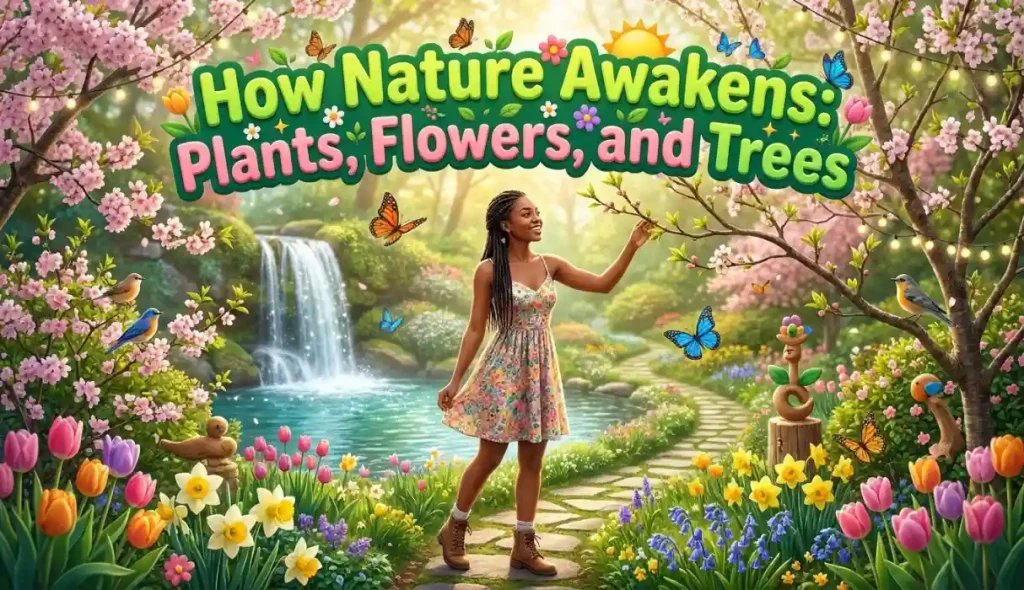
When spring arrives, plants move fast to make the most of warmer temperatures and longer days. Gardens and forests transform from dull gray colors into vibrant green landscapes within just a few weeks.
The biological tricks plants use to measure warmth are truly remarkable.
Secret Signals That Tell Plants to Bloom
Plants do not have calendars, so they rely on chemical sensors to detect warmer soil and longer daylight hours. Special proteins inside plant cells act like tiny alarm clocks, triggering fresh stem growth and flower production.
If flowers bloom too early during an unexpected freeze, frost can damage delicate petals and seeds.
Famous Spring Flowers Around the World
Certain flowers have become iconic symbols of spring because they bloom while snow is still melting on the ground. Snowdrops and crocus flowers often push right through icy soil before other plants even wake up.
- Cherry Blossoms: Famous pink blooms that cover trees across Japan and Washington, D.C.
- Tulips: Bright cup-shaped flowers that carpet massive fields across the Netherlands each April.
- Daffodils: Cheerful yellow flowers that signal winter is officially over in home gardens.
- Lilacs: Highly fragrant purple bushes that attract bees and butterflies in late spring.
Animal Secrets: Migration, Hibernation, and Babies
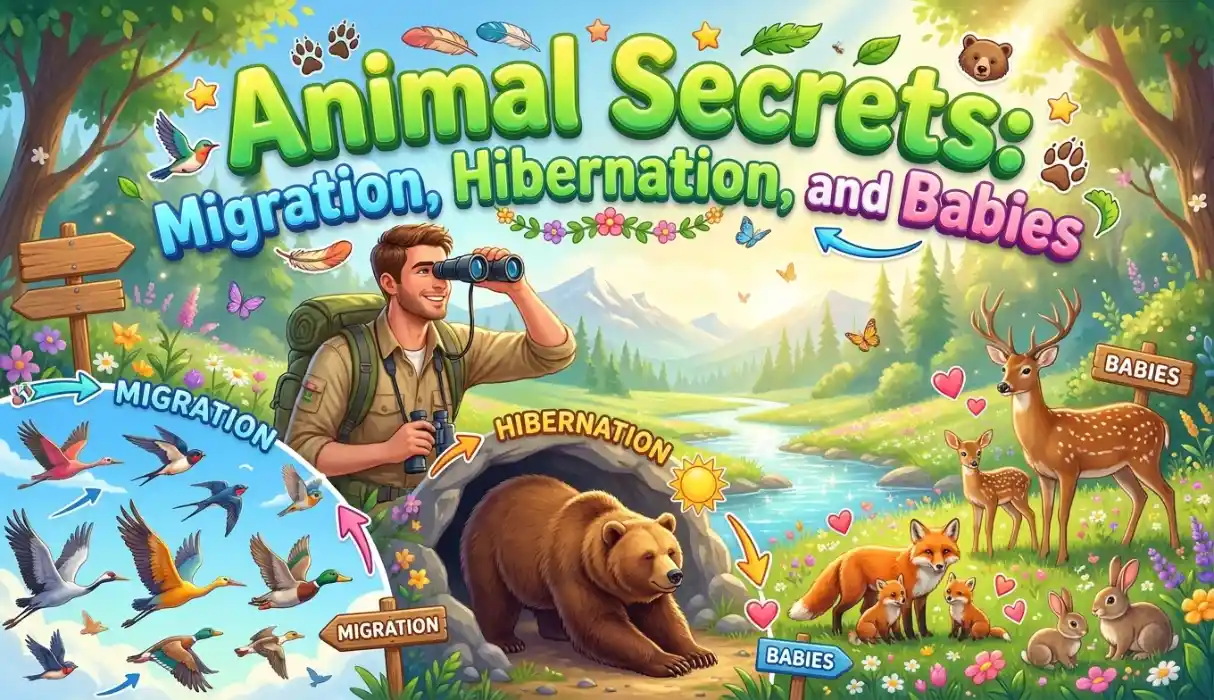
Animals feel the arrival of spring just as strongly as plants do. Longer days trigger hormonal shifts in wildlife, signaling that it is time to build nests, travel north, and raise young families.
The animal kingdom undergoes massive changes as natural food sources return.
Waking Up from Deep Winter Sleep
Animals like bears, groundhogs, and chipmunks spend cold months in states of reduced activity or true hibernation. As soil temperatures warm, these creatures slowly wake up hungry and ready to search for food.
Groundhogs lose a significant portion of their total body weight over winter, making early spring foraging essential for survival.
The Great Spring Animal Migrations
Millions of birds, butterflies, and marine animals travel thousands of miles north during spring. They follow ancient flight paths to reach rich feeding grounds and safe nesting sites.
- Monarch Butterflies: Travel thousands of miles from Mexican pine forests to lay eggs across North America.
- Arctic Terns: Complete incredible pole-to-pole journeys to catch the blooming spring food supply.
- Canada Geese: Fly in iconic V-shaped formations while honking to keep their flying group organized.
- Gray Whales: Swim along coastal waters from warm Mexican lagoons up toward icy Alaskan feeding grounds.
Weather Quirks and Seasonal Science Facts
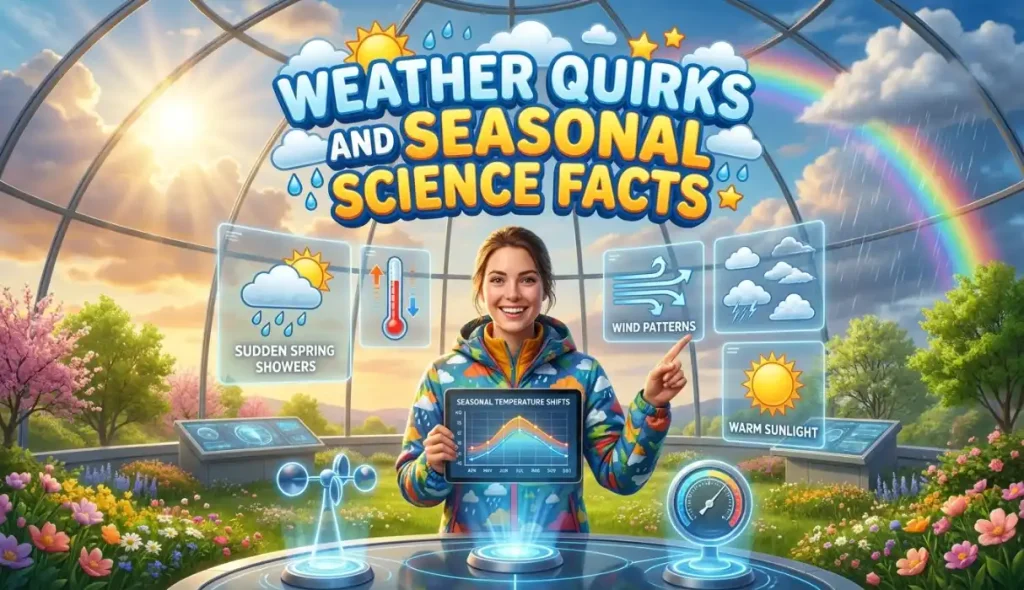
Spring weather is famous for being unpredictable and changing rapidly from one hour to the next. One morning can feel like warm summer sunshine, while the afternoon brings chilly rain showers.
Understanding atmospheric science helps explain why spring weather acts so wild.
Why Spring Rain Showers Are So Common
As strong spring sunshine warms the cold ground, warm air rises quickly into the upper atmosphere. This rising warm air carries moisture that collides with cold winter air masses lingering high above.
These rapid temperature shifts create rain clouds, warm afternoon drizzles, and sudden springtime thunderstorms.
The Truth About Tornado Season
In many regions, spring marks the beginning of peak severe weather and tornado activity. Cold dry air moving down from polar regions collides directly with warm humid air blowing up from ocean gulfs.
This explosive mixing of contrasting air masses creates rotating thunderstorms across open plains and valleys.
Cultural Traditions and Festivals Around the Globe

People across different cultures have celebrated the arrival of spring for thousands of years. Spring represents hope, fresh starts, growing crops, and leaving dark winter days behind.
Exploring global spring customs shows how connected humanity is to natural seasons.
Holi: The Colorful Festival of Spring
In India and across the world, people celebrate the arrival of spring with Holi, known as the festival of colors. Celebrants throw vibrant colored powders and water over each other in outdoor streets and parks.
The festival marks the victory of good over evil and welcomes the bright colors of blooming nature.
May Day Celebrations and Maypoles
May Day is an ancient spring festival celebrated in many European countries on the first day of May. Communities gather outdoors to dance around tall ribbons on Maypoles, sing folk songs, and weave flower crowns.
These fun traditions honor farming, fertile soil, and the return of bright green summer fields.
Practice Exercise
Test your understanding of spring science, animal behavior, and seasonal traditions with these 5 multiple-choice questions.
- What unique daylight condition occurs globally on the day of the vernal equinox?
A. The entire world experiences 24 hours of complete darkness.
B. Day and night are near-equal lengths of roughly twelve hours each.
C. The sun stays directly overhead without ever setting.
D. Daylight lasts for only two hours before nighttime returns. - How do plants detect that spring has arrived and it is safe to bloom?
A. They listen to weather broadcasts on public radio stations.
B. Internal chemical sensors detect longer daylight hours and warmer soil temperatures.
C. They wait for human gardeners to tap on their stems.
D. Plants bloom only when rain falls for seven consecutive days. - Why do millions of birds and butterflies migrate north during spring months?
A. To escape warm weather and find colder ice sheets.
B. To find abundant food sources, warmer weather, and safe nesting grounds.
C. Because they get lost while flying in circle patterns.
D. To practice flying in geometric formations for fun. - What causes frequent rain showers and thunderstorms during spring months?
A. Ocean tides stopping completely for several weeks.
B. Rising warm air colliding with lingering cold winter air masses high in the atmosphere.
C. Leaves absorbing all available carbon dioxide from city streets.
D. The moon passing directly between the sun and Earth every afternoon. - Which global spring festival is famous for participants throwing bright colored powders outdoors?
A. May Day
B. Thanksgiving
C. Holi
D. Groundhog Day
Answer Key:
- B
- B
- B
- B
- C
FAQs
What causes the season of spring to happen every year?
Spring happens because planet Earth is tilted on its axis as it orbits around the sun. As the Northern Hemisphere tilts back toward the sun after winter, daylight hours grow longer, and temperatures warm up significantly.
Why do people clean their homes during spring?
Spring cleaning has both historical and biological roots. During cold winters, homes were sealed tight against cold drafts, accumulating dust and soot. Warm spring air allows people to open windows, air out rooms, and reset living spaces.
Do animals really get happier during spring months?
Warmer weather and increased sunlight boost brain chemicals like serotonin in animals and humans alike. Abundant food sources, comfortable outdoor temperatures, and breeding instincts make animals far more active and energetic throughout spring.
Why are cherry blossom trees so famous in spring?
Cherry blossoms produce striking pink and white flower canopies that signal winter is ending. In places like Japan, the brief two-week bloom represents the beauty and temporary nature of life, drawing millions of outdoor viewers.
Does spring start at the same time worldwide?
No, spring starts in March in the Northern Hemisphere while the Southern Hemisphere starts spring in September. Earth’s tilt means seasons are completely reversed between the top and bottom halves of our planet.
Conclusion
Uncovering these fun spring facts shows just how connected our planet, wildlife, and daily habits are to natural cycles. From equinox sunlight balances to blooming flowers and migrating birds, spring brings an incredible burst of fresh life.
Taking time to notice these seasonal shifts turns everyday outdoor walks into fascinating science adventures right in your neighborhood.
Step outside today, enjoy the warm sunlight, and share your favorite fun spring facts with friends and family!

Jack Olive is the creative mind behind buzzgiggles.com, a fun-focused website built to bring smiles, laughter, and lighthearted entertainment to everyday life. With a passion for humor and enjoyable content, Jack Olive creates and shares playful ideas, amusing stories, entertaining discoveries, and cheerful moments designed for readers of all kinds.
Through buzzgiggles.com, Jack Olive combines creativity, curiosity, and a positive sense of humor to explore the lighter side of life. Whether visitors are looking for a quick laugh, something interesting to share, or a cheerful break from their routine, the website offers content created with fun in mind. Jack Olive believes great entertainment should be easy to enjoy, memorable, and capable of brightening someone’s day.