

Fun roleplay ideas are imaginative scenarios, character setups, and storytelling prompts used in tabletop gaming, online writing, or group activities. They encourage creativity, build empathy, and help players experiment with unique personalities and exciting narrative conflicts in a safe, collaborative environment.
Have you ever wanted to step out of your everyday routine and step into the shoes of a completely different person? Experimenting with fun roleplay ideas lets you explore wild worlds, solve thrilling mysteries, and build unforgettable stories with your friends.
Whether you are gathering around a table for a tabletop game or writing collaborative stories online, testing fresh fun roleplay ideas keeps your narrative sessions lively. It gives everyone at the table a chance to shine and express their unique personality.
You do not need years of acting experience or complex rulebooks to enjoy creative character play. All it takes is a solid setup, a bit of imagination, and an open mind.
Let’s look at how choosing the right fun roleplay ideas can instantly transform your casual creative sessions into engaging adventures. Get ready to discover new concepts that spark instant inspiration for your next session!
What Makes a Roleplay Scenario Fun and Engaging?

Roleplaying is simply collective storytelling where each person controls one character in an unfolding narrative. When a scenario works well, everyone feels invested in the outcome and eager to see what happens next.
Great scenarios strike a delicate balance between clear structure and total creative freedom. If a game has too many strict rules, it feels rigid, but without any goals, players quickly get bored.
The Magic of Meaningful Choices
The best stories grow out of tough decisions rather than simple linear paths. When characters face dilemmas with real stakes, players naturally become passionate about their actions.
A choice between saving a town library or hunting down an escaping villain forces players to weigh their character’s personal values. These moments create genuine drama and leave lasting memories long after the game ends.
Why Shared Creativity Brings People Together
Stepping into a fictional persona removes social pressure and helps people build confidence. It allows introverts to test out bold personalities and lets natural leaders practice listening to teammates.
Collaborative storytelling builds strong bonds because everyone works together toward a common goal. Celebrating a heroic victory or laughing at a comical failure unites a group like nothing else.
Popular Categories of Roleplay Scenarios

Different groups enjoy vastly different storytelling styles, ranging from cozy, everyday situations to grand cosmic adventures. Categorizing your concepts helps you select the perfect mood for your specific gathering.
Fantasy and Supernatural Adventures
Fantasy remains the classic choice for group narrative play because magical worlds break all real-world rules. You can invent custom spells, meet mythical beasts, and explore ancient ruins buried beneath the earth.
- The Reluctant Monsters: Players act as classic dungeon monsters trying to run a cozy bed-and-breakfast for tired adventurers.
- The Broken Wand Academy: A group of novice wizards must pass their final exams after accidentally turning their headmaster into a talking toad.
- The Dragon’s Guild: Professional dragon negotiators step in to resolve property disputes between greedy wyrms and angry villagers.
Everyday Life and Comedic Scenarios
You do not always need magical swords or spaceships to have a great time. Modern, slice-of-life settings offer endless opportunities for lighthearted humor and relatable character interactions.
- The Food Truck Wars: Rival food truck owners are forced to share a single parking space during the city’s busiest summer festival.
- The Imposter Boss: An entry-level intern gets mistaken for the new chief executive officer and must run a major board meeting without getting caught.
- The Retirement Home Heist: If possible, residents team up to steal back their confiscated game consoles from an overly strict nurse.
Sci-Fi and Futuristic Outer Space
Science fiction lets you explore technological advancements, deep space mysteries, and dystopian futures. It challenges players to think logically while adapting to high-tech environments.
- Derelict Ship Salvage: A crew of space mechanics boards an abandoned starship, only to discover its rogue artificial intelligence wants to play board games.
- Time Travel Tourism: Incompetent tour guides must fix historical mistakes after tourists accidentally hand a smartphone to a medieval king.
- Alien First Contact Diner: Short-order cooks at a deep-space highway diner try to serve edible meals to bizarre alien diplomats.
How to Build Your Own Character from Scratch
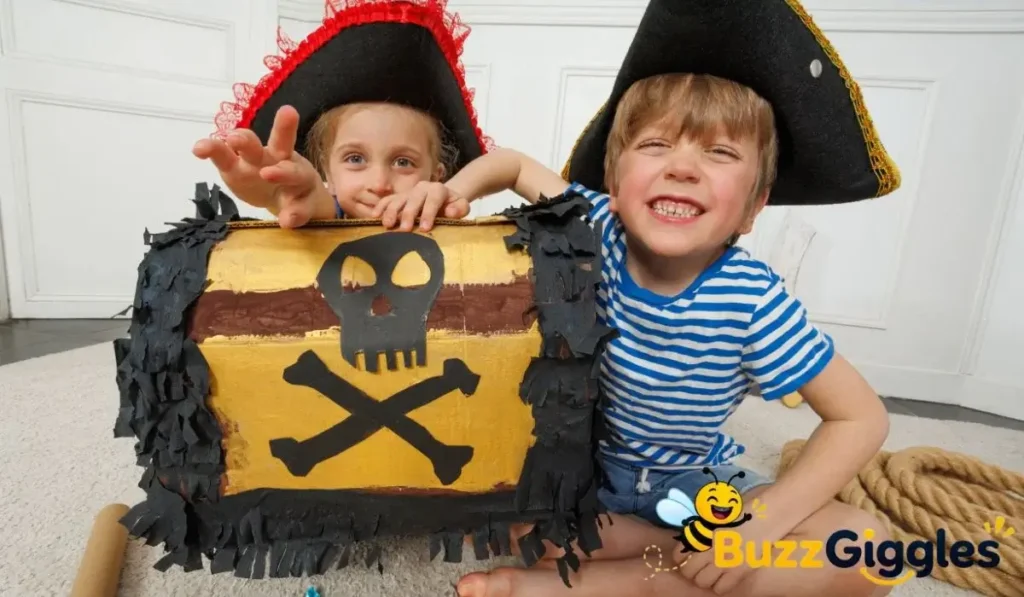
Creating a memorable character involves far more than picking a name and picking out cool armor. A great persona has clear motivations, quirky habits, and believable flaws that drive the narrative forward.
Step 1: Define the Core Motivation
Ask yourself what your character wants more than anything else in the world. A strong internal goal gives your character a reason to take risks and join the team.
Your character might want to clear their family name, earn enough money to buy a farm, or prove their doubters wrong.
Step 2: Add a Distinctive Flaw or Habit
Perfection is boring in storytelling, but flaws make characters instantly relatable and entertaining. A brave knight, terrified of tiny frogs, adds instant comedy to a serious quest.
Consider giving your persona a unique speaking pattern, a physical nervous habit, or a harmless superstition that influences their daily choices.
Step 3: Establish Relationships with Other Players
Connect your backstory directly to at least one other character at the table before the game begins. Shared histories create instant chemistry and eliminate awkward introductions.
You might play as childhood rivals, long-lost siblings, or business partners who owe each other money.
Practical Tips for Smooth Roleplaying Sessions

Even the most creative ideas can stall if your group struggles with pacing or communication. Following a few basic guidelines keeps energy levels high and ensures everyone stays involved.
The Power of “Yes, And…”
Borrowed from traditional improv theater, the “Yes, And…” rule means accepting what another player establishes and building upon it. Never shut down a teammate’s creative suggestion directly.
If another player says, “Look, a giant mechanical guard is coming,” agree and add details, like, “Yes, and it looks like its power core is leaking sparks!”
Managing Airtime and Sharing the Spotlight
Pay attention to how much talking time you take up during a session. Bold, outgoing players should actively invite quieter members into the conversation.
Ask other characters for their opinions on decisions, or create opportunities for their specific skills to save the day.
Advanced Techniques for Storytellers and Game Masters

Running a game for others requires a slightly different skill set than playing a single character. As the narrator, your main goal is to set up interesting situations and let players solve them their own way.
Crafting Engaging Non-Player Characters (NPCs)
You do not need to perform dramatic accent voices to make side characters feel alive. Focus instead on giving each non-player character one distinct physical trait and a clear goal.
A suspicious shopkeeper who constantly taps his fingers on the counter instantly feels more real than a generic store clerk.
Pacing and Managing Narrative Tension
Keep your story moving forward by introducing fresh complications whenever the energy at the table starts to dip. If players spend twenty minutes arguing over a doorway, have a guard patrol around the corner.
Use environmental hazards, sudden weather changes, or ticking timers to push players into making quick, exciting choices.
Safety and Comfort at the Gaming Table

Creativity thrives best when everyone feels safe, respected, and comfortable expressing themselves. Setting clear ground rules before the first session prevents misunderstandings later on.
Establishing Lines and Veils
Before launching a new campaign, discuss topics that players prefer to avoid entirely (lines) or keep off-screen (veils). Respecting personal boundaries ensures the game remains fun for every participant.
Pausing the Action Gracefully
Establish a simple signal or keyword that allows any player to pause the game if a scene crosses a comfort line. A quick reset keeps the atmosphere welcoming and supportive for everyone involved.
Practice Exercise
Test your understanding of roleplay dynamics, character creation, and session management with these five multiple-choice questions.
- What does the “Yes, And…” rule in creative roleplaying encourage players to do?
A. Reject ideas that do not match the rulebook.
B. Accept a teammate’s contribution and build upon it with new details.
C. Demand that every scene ends with a dramatic combat encounter.
D. Vote on which player gave the best acting performance. - Why are character flaws considered valuable in collaborative storytelling?
A. They make characters harder to play.
B. They guarantee that the main villain always wins.
C. They create relatable conflict, humor, and growth opportunities.
D. They allow players to skip their turn during group conversations. - Which of the following is an example of a “slice-of-life” scenario?
A. Fighting a sea monster in a stormy ocean.
B. Salvaging an abandoned alien ship in deep space.
C. Managing rival food trucks sharing a single park spot.
D. Escaping an underground dungeon full of magical traps. - What is the main purpose of establishing “lines and veils” before starting a game?
A. To decide who pays for snacks during the game.
B. To set clear safety boundaries and respect player comfort levels.
C. To determine the exact order in which players take their turns.
D. To rank the best players in the group based on points. - How can a Game Master effectively reignite momentum when players get stuck arguing?
A. Cancel the session immediately.
B. Force the players to rewrite their character backstories.
C. Introduce a sudden environmental hazard or new narrative event.
D. Double the health points of every enemy in the room.
Answer Key
- B
- C
- C
- B
- C
FAQs
What are the best roleplay ideas for absolute beginners?
Slice-of-life comedic scenarios or simple hero-rescues-village tropes are ideal for beginners. They rely on familiar real-world logic or classic adventure stories, allowing new players to focus on learning how to express their characters without feeling overwhelmed by complex rules.
How do I overcome feeling embarrassed while acting out a character?
Start small by describing your character’s actions in the third person rather than putting on a dramatic voice. As you get comfortable with the group, gradually shift into first-person dialogue. Playing with supportive friends who celebrate mistakes also helps ease self-consciousness.
How long should a typical roleplaying session last?
A casual roleplaying session usually lasts between two and four hours. This provides enough time to establish a scene, develop character interactions, and resolve a central conflict without causing mental exhaustion or losing player focus.
Can you enjoy roleplaying with only two people?
Yes, two-player roleplaying is extremely popular and offers a focused, intimate storytelling experience. One person can run the world while the other plays the main protagonist, or both players can co-create a story together using simple text-based prompts.
Do I need to buy expensive rulebooks to start roleplaying?
No, you do not need expensive materials to begin storytelling with friends. Dozens of lightweight, free rulesets exist online, and many entertaining groups play using simple coin flips, single six-sided dice, or pure narrative improvisation.
Conclusion
Exploring new fun roleplay ideas is one of the most rewarding ways to exercise your imagination, build strong friendships, and tell unforgettable stories. Whether you are navigating comedic workplace rivalries or exploring distant galaxies, the only limit is your willingness to try something new.
Remember that great storytelling isn’t about winning or being a perfect actor; it’s about making bold choices and supporting your teammates. Embrace unexpected plot twists, celebrate funny failures, and keep the collaborative spirit alive at your table.
Gather your favorite group of friends, pick a scenario that sparks your curiosity, and test out these fun roleplay ideas in your very next creative session!

Jack Olive is the creative mind behind buzzgiggles.com, a fun-focused website built to bring smiles, laughter, and lighthearted entertainment to everyday life. With a passion for humor and enjoyable content, Jack Olive creates and shares playful ideas, amusing stories, entertaining discoveries, and cheerful moments designed for readers of all kinds.
Through buzzgiggles.com, Jack Olive combines creativity, curiosity, and a positive sense of humor to explore the lighter side of life. Whether visitors are looking for a quick laugh, something interesting to share, or a cheerful break from their routine, the website offers content created with fun in mind. Jack Olive believes great entertainment should be easy to enjoy, memorable, and capable of brightening someone’s day.