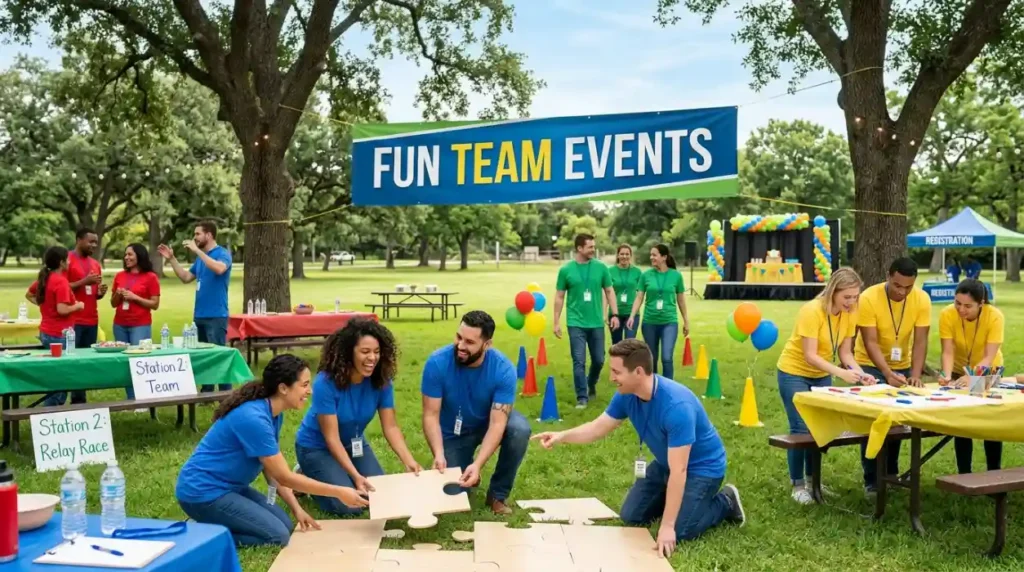
Fun team events are structured, enjoyable group activities designed to build trust, improve communication, and boost overall morale among colleagues. Whether hosted in-person or virtually, these events range from collaborative escape rooms and cooking challenges to casual trivia games that strengthen workplace relationships outside daily routines.
Have you ever sat through a forced icebreaker where everyone stared awkwardly at their shoes? Planning fun team events should feel like an exciting celebration rather than a boring corporate obligation.
When you host well-designed fun team events, coworkers naturally open up, collaborate, and build genuine friendships.
Creating these shared experiences breaks down daily workplace stress while bringing fresh energy into your team’s routine. Bringing people together for fun team events helps everyone communicate better while making work feel like a supportive community.
Let’s explore creative activity ideas, budget planning tips, hybrid strategies, and practical organizers’ steps to make your next group gathering an absolute success. Get ready to discover fresh ways to connect your team and keep everyone laughing!
The Psychology of Social Connection at Work

Why do shared laughter and friendly competition make such a huge difference in workplace productivity? Humans are naturally social creatures who thrive when they feel a sense of belonging within a group.
When colleagues participate in social activities together, their brains release feel-good chemical signals that lower stress levels.
How Shared Enjoyment Drives Workplace Collaboration
Shared positive experiences create psychological safety, making team members feel comfortable sharing creative ideas and admitting mistakes. When people know their coworkers on a personal level, daily communication becomes smoother and far less stressful.
Instead of sending stiff, overly formal emails, colleagues communicate with natural empathy and trust.
- Increased Trust: Working together on casual challenges shows colleagues that they can rely on one another under pressure.
- Higher Engagement: Employees who enjoy their workplace community display greater enthusiasm and focus during daily projects.
- Lower Turnover: Strong social bonds inside the office significantly reduce employee burnout and desire to leave the company.
- Enhanced Creativity: Playful environments encourage open brainstorming, allowing innovative solutions to flourish naturally.
Moving Beyond Forced Corporate Icebreakers
Traditional corporate team building often suffered from cheesy trust falls or awkward introduction circles that made people cringe. Modern activity planning focuses on authentic, low-pressure experiences where participation feels organic and genuinely fun.
Giving people choices and focusing on shared problem-solving transforms forced participation into genuine excitement.
Top In-Person Event Ideas for High Energy and Laughter
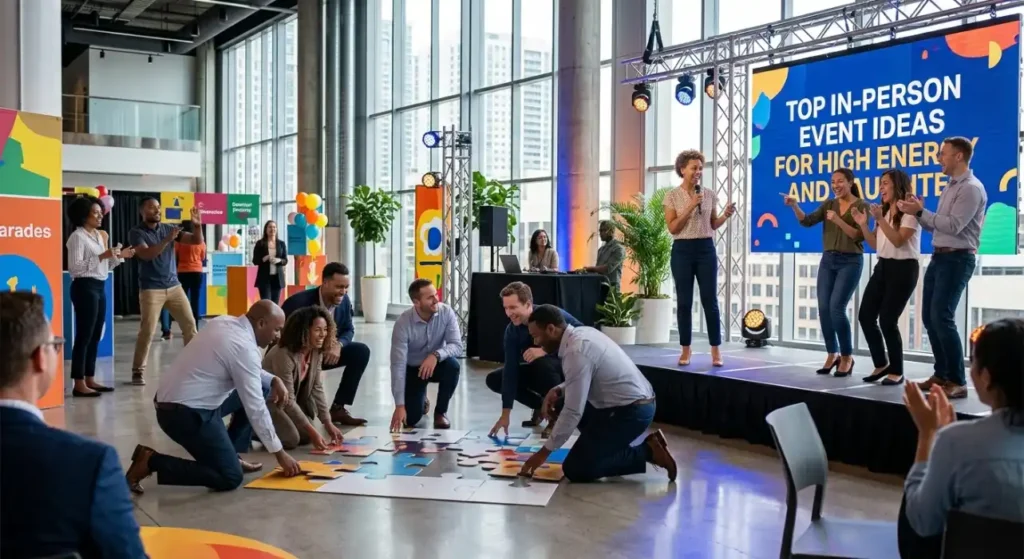
In-person gatherings offer unparalleled opportunities for spontaneous high-fives, physical movement, and vibrant conversation. Getting away from computer screens allows coworkers to interact in rich, multi-sensory environments that create lasting memories.
Here are proven activity concepts that get teams moving, laughing, and working together seamlessly.
Collaborative Escape Room Challenges
Escape rooms place small groups inside themed environments where they must decode hidden clues, solve puzzles, and open locks before time runs out. This activity naturally highlights different personality strengths, from detail-oriented puzzle solvers to big-picture strategic thinkers.
The shared pressure of a ticking clock creates instant adrenaline and unforced teamwork.
Cooking Classes and Culinary Competitions
Food has a magical way of bringing people together across diverse cultures, backgrounds, and job roles. Hosting a hands-on pizza-making workshop or a friendly “Chopped” style cooking duel lets colleagues collaborate while preparing a delicious meal.
After the cooking session ends, everyone sits down together to enjoy the fruits of their shared labor.
- Outdoor Scavenger Hunts: Teams explore city streets using smartphone apps to answer riddle clues and complete photo challenges.
- Board Game Tournaments: Setting up classic strategy games in a breakroom encourages friendly rivalry and relaxed banter.
- DIY Craft Workshops: Building terrariums, painting pottery, or assembling leather goods gives participants a tangible keepsake to take home.
- Local Volunteer Days: Partnering with community food banks or park cleanups unites the team around a meaningful common cause.
Outdoor Adventure and Recreation Outings
Heading outdoors for a day of kayaking, lawn bowling, or mini-golf offers fresh air and physical movement that clears mental fatigue. Outdoor settings level the playing field between managers and entry-level staff, encouraging casual conversations that rarely happen in conference rooms.
Always ensure outdoor activities accommodate all fitness levels so nobody feels excluded or uncomfortable.
Engaging Virtual and Hybrid Concepts for Remote Teams
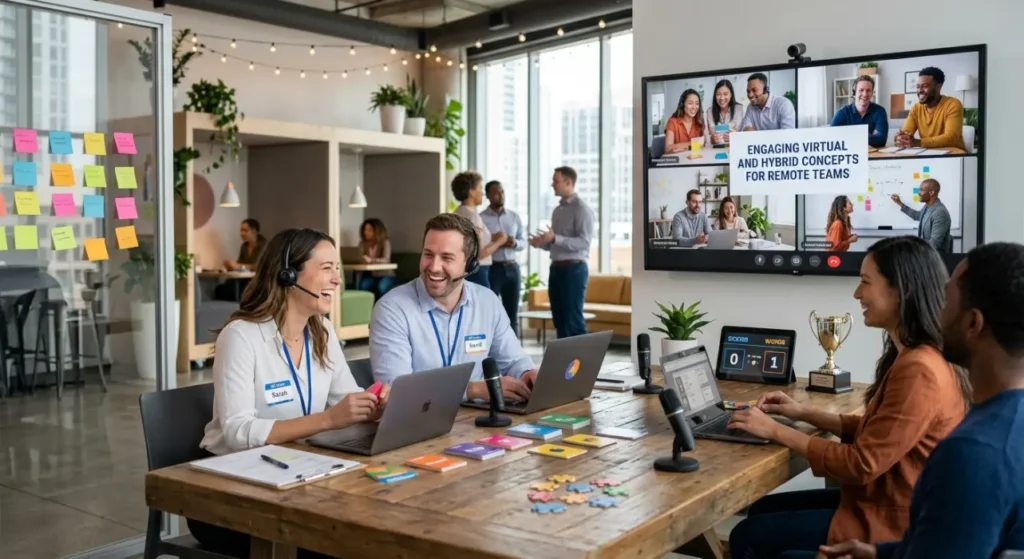
Remote and hybrid work arrangements have made staying connected a top priority for modern organizations. Virtual gatherings ensure that off-site employees feel just as valued and integrated as those working inside a physical office building.
Using clever online formats keeps screen fatigue at bay while maximizing interactive fun.
Interactive Online Trivia and Quiz Show Hours
Digital trivia platforms allow remote workers to compete in real-time quiz shows covering pop culture, history, or custom company facts. Splitting participants into virtual breakout rooms gives small groups a private space to debate answers before submitting them.
Adding a charismatic host keeps the energy high and keeps the competition moving along at a brisk pace.
Virtual Mystery Games and Escape Adventures
Professional online mystery companies guide remote teams through immersive digital detective cases complete with live actors and interactive websites. Teammates must analyze suspect alibis, inspect digital evidence, and decode encrypted messages to solve the crime together.
This structured format keeps participants actively involved throughout the entire session.
Step-by-Step Guide to Planning a Successful Gathering
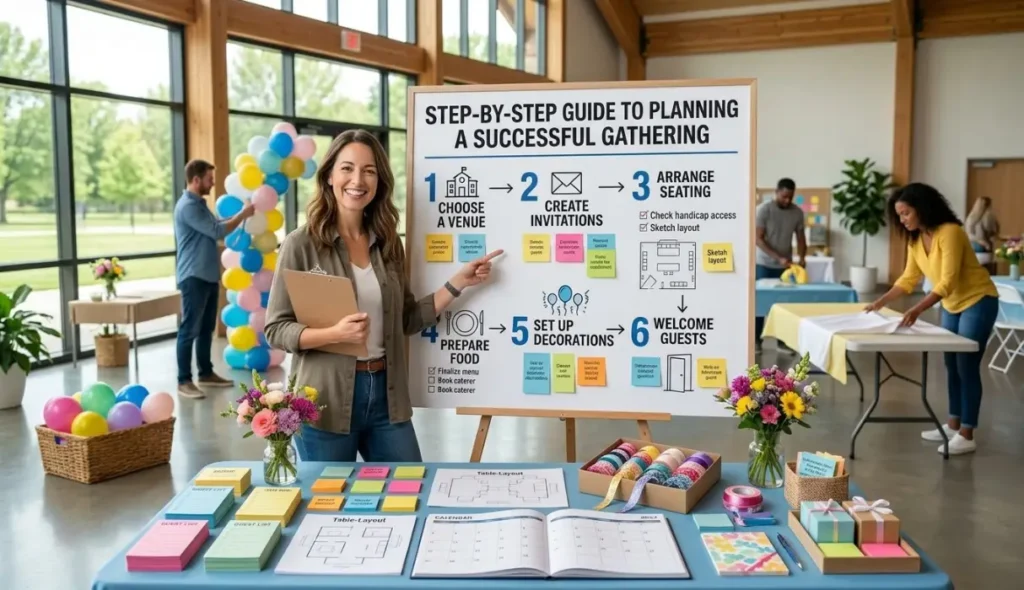
Planning a smooth gathering requires clear logistics, thoughtful scheduling, and active consideration of your audience’s preferences. Taking time to handle small details in advance prevents last-minute stress and ensures high attendance numbers.
Follow these simple planning steps to organize an event that your team will rave about for weeks.
Surveying Your Team and Setting Objectives
Before booking a venue or purchasing supplies, send out a brief survey to gather input on activity preferences, dietary restrictions, and preferred schedules. Involving your team in the decision-making process builds anticipation and guarantees higher participation rates.
Define whether your primary goal is relaxation, celebration, skills development, or welcoming new hires.
Managing Budgets and Logistics Smoothly
Budgeting involves balancing activity fees, food and beverage catering, transportation, and small prizes or favors. Look for activities that offer transparent group pricing packages to avoid unexpected service charges or hidden venue fees later.
Confirm all reservation details in writing two weeks before the event date to prevent scheduling conflicts.
- Pick Convenient Timing: Schedule events during regular working hours whenever possible to respect personal evening time.
- Ensure Accessibility: Select venues that accommodate all mobility needs, dietary requirements, and physical abilities effortlessly.
- Provide Clear Instructions: Send participants detailed parking directions, dress code guidelines, and arrival times days in advance.
- Gather Feedback Afterward: Collect anonymous post-event feedback to learn what worked well for future planning cycles.
Practice Exercise
Test your understanding of activity planning, group dynamics, and virtual event management with these 5 multiple-choice questions.
- What is the primary benefit of hosting structured social gatherings for workplace teams?
A. It forces employees to work unpaid overtime hours every weekend.
B. It builds trust, improves communication, and lowers workplace stress levels.
C. It allows managers to avoid giving performance reviews.
D. It eliminates the need for daily email communication. - Which activity is best suited for building collaborative problem-solving skills under a timed challenge?
A. Watching a silent documentary film.
B. Participating in an escape room experience.
C. Reading an employee handbook individually.
D. Sitting in a quiet lecture hall. - Why should event organizers aim to host group activities during regular working hours?
A. It shows respect for employees’ personal lives and guarantees higher participation rates.
B. It allows the office building to close down completely for a month.
C. It prevents anyone from eating lunch during the day.
D. It makes the event twice as expensive to run. - How do interactive virtual trivia sessions help overcome screen fatigue for remote workers?
A. By requiring participants to type constantly without talking.
B. By using breakout rooms and small team debates to encourage active personal interaction.
C. By extending the meeting length to five straight hours.
D. By turning off all video cameras and audio feeds. - What is the first step an organizer should take when beginning to plan a team gathering?
A. Book the most expensive venue in town immediately without asking anyone.
B. Survey the team to gather activity preferences, availability, and dietary needs.
C. Buy hundreds of plastic party favors before deciding on a theme.
D. Cancel all upcoming company projects for the entire year.
Answer Key:
- B
- B
- A
- B
- B
FAQs
How often should a company host group social activities?
Most successful teams host small monthly gatherings alongside one or two major quarterly celebrations. This steady rhythm maintains strong social connections without causing event fatigue or disrupting major project deadlines throughout the business year.
What should I do if an employee declines to participate in an activity?
Respect their preference without making them feel guilty or isolated from the group. Offer low-pressure alternative roles, such as keeping score or managing music playlists, so they can enjoy the atmosphere comfortably at their own speed.
How can small businesses with limited budgets host great events?
Focus on low-cost activities like park board game afternoons, potluck lunches, or DIY trivia contests. Creative organization and genuine enthusiasm matter far more to employees than spending large sums of money on elaborate venue rentals.
Are physical sports activities suitable for all company gatherings?
High-intensity sports can exclude team members with injuries, physical disabilities, or varying fitness levels. If you choose athletic events, always offer non-physical participation options like refereeing, cheerleading, or lawn games so everyone feels included.
How do I measure whether an event was successful?
Evaluate success using post-event survey ratings, attendance levels, and casual workplace observations following the gathering. Increased cross-departmental communication and positive hallway chatter indicate that your event achieved its social goals effectively.
Conclusion
Investing time and energy into planning fun team events pays massive dividends in employee happiness, trust, and productivity. Whether you solve escape room puzzles together, cook a shared feast, or host a lively virtual trivia hour, shared laughter builds unbreakable bonds.
By listening to your team’s preferences, prioritizing accessibility, and keeping logistics smooth, you create experiences that everyone looks forward to.
Gather your planning committee, pick an exciting activity, and host memorable fun team events that bring your workplace closer together!

Jack Olive is the creative mind behind buzzgiggles.com, a fun-focused website built to bring smiles, laughter, and lighthearted entertainment to everyday life. With a passion for humor and enjoyable content, Jack Olive creates and shares playful ideas, amusing stories, entertaining discoveries, and cheerful moments designed for readers of all kinds.
Through buzzgiggles.com, Jack Olive combines creativity, curiosity, and a positive sense of humor to explore the lighter side of life. Whether visitors are looking for a quick laugh, something interesting to share, or a cheerful break from their routine, the website offers content created with fun in mind. Jack Olive believes great entertainment should be easy to enjoy, memorable, and capable of brightening someone’s day.