
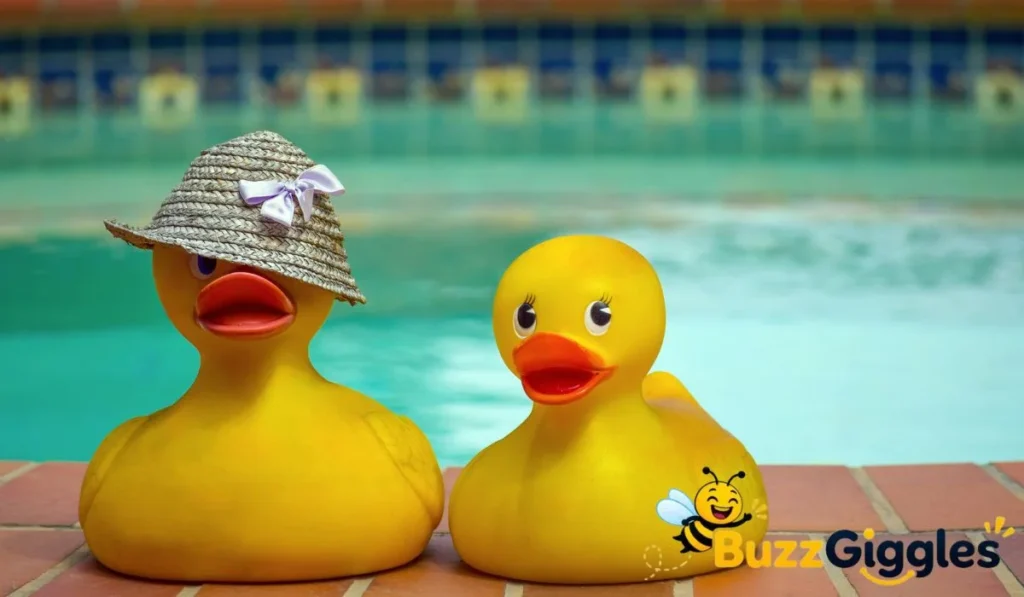
Fun rubber ducks are iconic bath toys and pop-culture collectibles made from vinyl or rubber. They serve as bath companions, office decorations, Jeep accessories, coding tools, and charitable race racers, offering lighthearted joy and creative self-expression for fans of all ages.
Have you ever wondered how a simple bath toy became a global pop-culture phenomenon? Decorating your home or office with fun rubber ducks brings instant joy and personality to any environment.
These cheerful yellow companions have evolved into incredible collectibles featuring superhero costumes, historical outfits, and quirky professions. Collecting fun rubber ducks gives kids and adults a playful way to express their unique hobbies.
From dashboard decorations to charitable floating races, these squeaky toys prove that simple design brings endless smiles. Their bright charm turns ordinary days into creative adventures.
Let’s explore why owning fun rubber ducks continues to captivate collectors and casual fans worldwide. Grab your favorite squeaky companion and prepare for a delightful journey!
The Fascinating Evolution of Rubber Ducks
The story of the rubber duck is far richer than most people imagine. Long before these toys landed in modern bathtubs, their early ancestors looked and felt drastically different from today’s soft vinyl versions.
Understanding where these cheerful figures came from adds a whole new level of appreciation for collectors and casual fans alike.
From Hard Vulcanized Rubber to Soft Vinyl
In the mid-nineteenth century, inventors began experimenting with vulcanized rubber, a process pioneered by Charles Goodyear. Early rubber toys were completely solid, heavy, and did not even float upright in water.
During the 1940s, sculptor Peter Ganine designed the classic floating duck mold that featured a hollow body and a cute, side-turned beak. Manufacturing switched from dense natural rubber to soft, lightweight vinyl during the 1950s, creating the buoyant, squeaking bath companion we recognize today.
How Pop Culture Transformed a Bath Toy
During the 1970s, the iconic television show Sesame Street featured Ernie singing “Rubber Duckie,” which pushed the toy into mainstream American culture. The song hit the top music charts and cemented the yellow duck as the ultimate symbol of bath time comfort.
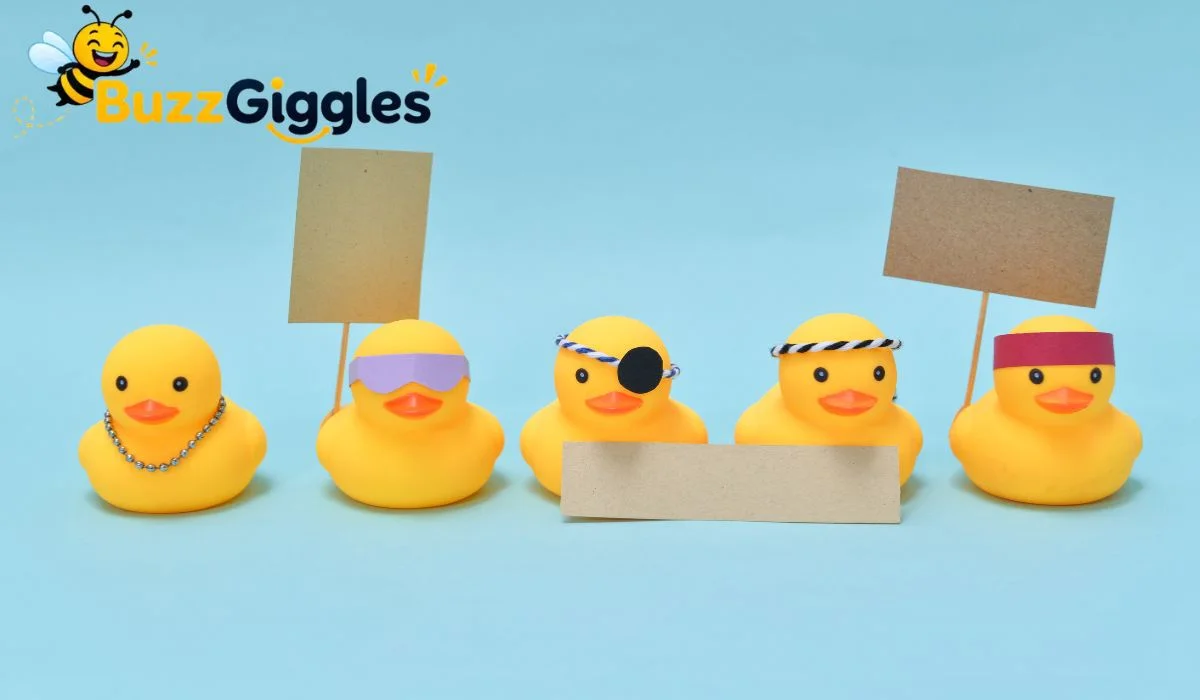
Over the following decades, manufacturers realized people loved customized versions. Designers began dressing ducks in career outfits, superhero capes, and movie costumes, turning a basic toddler toy into a massive pop-culture canvas.
Why People Collect Rubber Ducks Worldwide
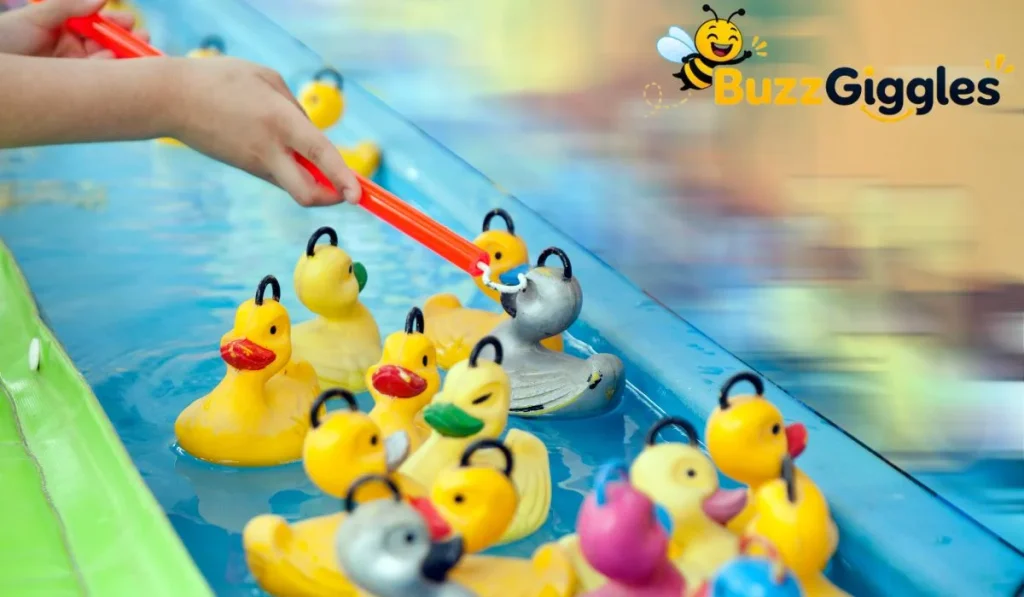
Collecting squeaky ducks has grown into an international hobby known as “quackery.” People of all ages build massive displays in their homes, recording thousands of unique variants from across the globe.
The hobby stays popular because it remains affordable, colorful, and deeply nostalgic for anyone who grew up with one in their tub.
The Collector Appeal: Accessibility and Joy
Unlike high-end art or rare sports cards, collecting ducks stays accessible for every budget. Most novelty figures cost only a few dollars, making it easy to grow a large collection without breaking the bank.
- Affordable Entry Point: You can start a collection at local gift shops, arcades, or online stores with minimal spending.
- Compact Display Options: Their small footprint allows collectors to store dozens of items neatly on floating wall shelves or desk risers.
- Endless Variety: Thousands of themed designs exist, covering sports teams, classic art pieces, holiday icons, and famous professions.
World Records and Massive Collections
Some fans take their passion to extraordinary heights. Charlotte Lee holds the Guinness World Record for the largest rubber duck collection, housing well over 5,000 distinct variants in custom displays.
Museums and pop-up art exhibits around the world regularly feature large collections to celebrate their cultural impact. The sight of hundreds of distinct characters lined up side-by-side creates an immediate sense of wonder for visitors.
Creative Uses for Rubber Ducks Beyond the Tub
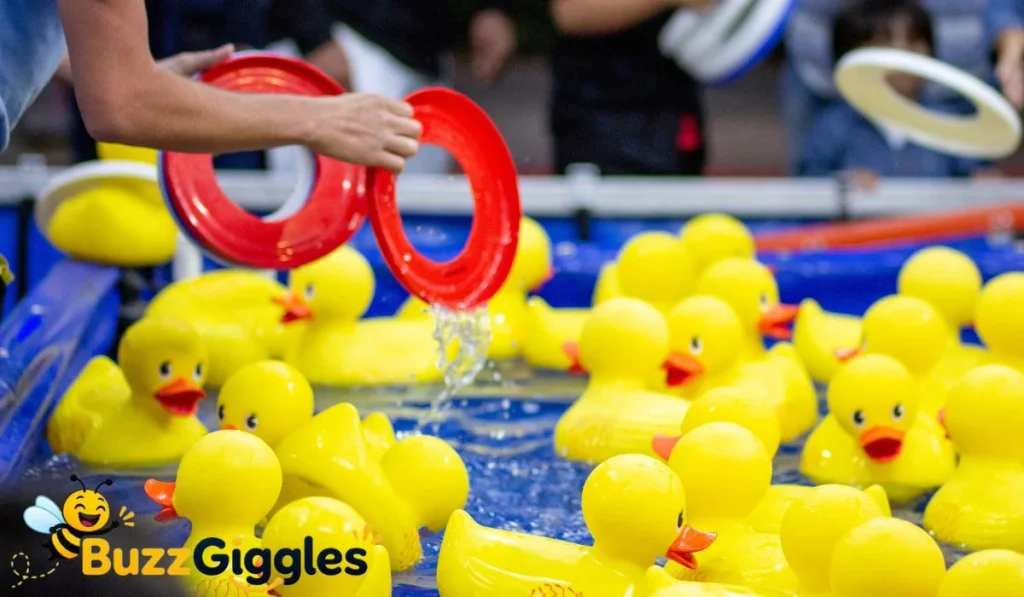
While bath time remains their classic home, people have invented surprisingly clever real-world applications for these floating toys. They appear in technical workplaces, automotive communities, and major charitable events.
These creative uses highlight how versatile a simple molded vinyl figure can truly be.
Rubber Duck Debugging in Software Engineering
In software development, “Rubber Duck Debugging” is a famous problem-solving technique introduced in the book The Pragmatic Programmer. Programmers place a rubber duck next to their computer screen and explain their code line by line out loud to the toy.
By forcing themselves to describe the logic in simple terms to an inanimate object, engineers quickly spot coding mistakes they previously missed. It serves as a gentle, low-stress tool that improves focus and logic.
Ducking Jeeps: A Friendly Road Tradition
In recent years, the “Duck Duck Jeep” movement spread across North America and beyond. Jeep owners purchase small novelty ducks, write friendly notes on them, and place them on the door handles or hoods of other parked Jeeps.
This random act of kindness builds community, spreads smiles, and lets drivers show appreciation for fellow off-road enthusiasts. Drivers often display their received ducks across their vehicle dashboards as badges of honor.
Large-Scale Charity Duck Races
Nonprofit organizations frequently host fundraising duck races along city rivers and ocean bays. Thousands of numbered rubber ducks are dumped simultaneously into a moving current, with supporters betting on which duck crosses the finish line first.
- Community Engagement: Races attract thousands of spectators for family-friendly weekend events.
- Local Cause Funding: Adoption fees for the floating ducks directly benefit children’s hospitals, food banks, and animal shelters.
- Massive Scale: The largest charity races launch over 100,000 ducks into the water at once, creating a stunning sea of yellow.
The World’s Largest Rubber Duck Installations
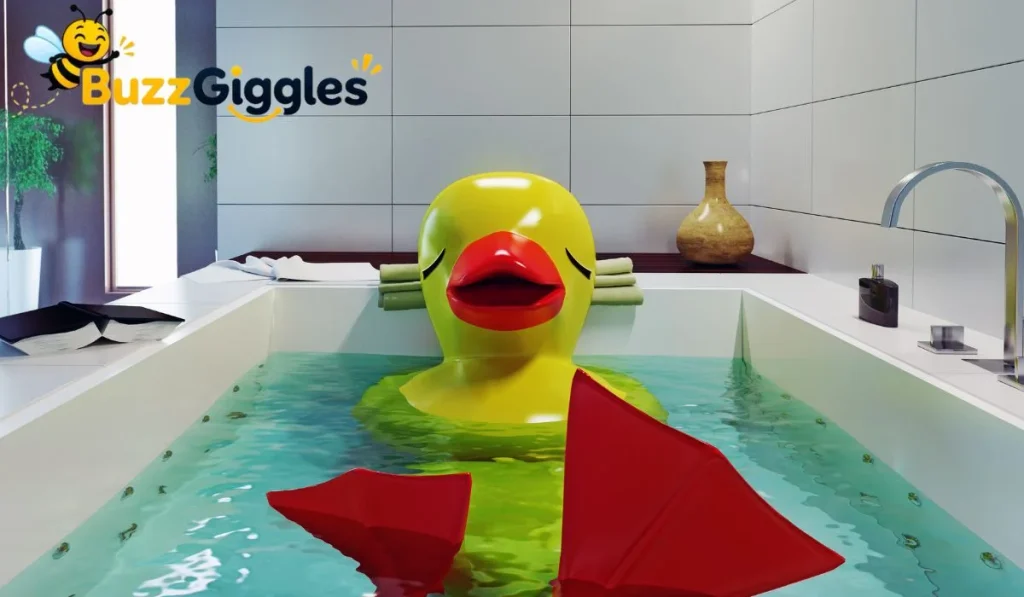
Dutch artist Florentijn Hofman brought global attention to the humble bath toy by creating giant inflatable duck sculptures. His massive artwork, measuring over 50 feet tall, traveled to major harbor cities including Hong Kong, Sydney, Pittsburgh, and Toronto.
Hofman’s goal was simple: to connect people across borders through a shared symbol of childhood happiness. The floating art installation drew millions of spectators, boosting local tourism and creating viral photo opportunities wherever it docked.
How to Choose Safe Bath Ducks for Children
Not all vinyl toys are created equal when it comes to young children. Selecting the right product ensures that bath time stays safe, hygienic, and fun.
Paying attention to material safety and design features protects your family while keeping toys clean.
Checking Material Safety Standards
When buying toys for young toddlers who might chew on them, verify that the products meet modern safety guidelines.
- BPA-Free and Phthalate-Free: Look for explicit labels confirming non-toxic materials.
- Heavy-Metal Testing: Quality manufacturers test paints to ensure they contain zero lead or harmful pigments.
- Smooth Edges: Check that seams around the beak and wings are smooth to prevent skin scratches.
Preventing Mold and Bacteria Inside Bath Toys
Traditional rubber ducks feature a tiny squeaker hole on the bottom. Water enters this hole during bath time, and if it stays trapped inside, dark mold can grow within weeks.
To prevent mold, choose sealed ducks that have zero bottom holes, ensuring water never gets inside. Alternatively, seal the hole of a standard duck with a dab of non-toxic hot glue before its first dip in the water.
If water does get inside, squeeze the toy completely dry after every bath and store it in a ventilated mesh bag so it dries thoroughly.
Caring for and Cleaning Your Collection

Whether you keep your figures on display shelves or use them daily in the shower, proper care keeps their colors vibrant and surfaces clean.
Dust, sunlight, and moisture are the three biggest factors that affect the lifespan of vinyl collectibles.
Dusting and Spot Cleaning Display Figures
For ducks kept on desks or display shelves, dust buildup can dull their shiny finish over time.
Wipe them gently with a soft microfiber cloth dipped in warm, soapy water. Avoid using harsh chemical cleaners, abrasive sponges, or alcohol wipes, as these can strip away hand-painted details like eyes, glasses, or logos.
Removing Sun Exposure Damage
Placing figures directly on sunny windowsills can cause bright yellow vinyl to fade or become brittle over time. Keep your display units away from direct sunlight or UV rays to preserve original paint colors.
If a duck loses its shape due to warm temperatures, soaking it briefly in warm water softens the vinyl, allowing you to reshape it gently by hand.
Practice Exercise
Test your knowledge of duck history, safety, and creative uses with these five multiple-choice questions.
- What manufacturing material replaced dense vulcanized rubber during the 1950s to make floating ducks lighter?
A. Cast iron
B. Soft vinyl
C. Solid wood
D. Tempered glass - In the software industry, what is the practice of explaining code line-by-line to a desk toy called?
A. Duck Quack Sorting
B. Rubber Duck Debugging
C. Binary Bath Logic
D. Squeaky Screen Testing - Why do Jeep owners leave small rubber ducks on each other’s parked vehicles?
A. To warn drivers about low tire pressure.
B. To show community appreciation and spread friendly smiles.
C. To mark cars that need mechanical repairs.
D. To collect parking fees for local cities. - What design feature prevents mold from growing inside bath toys?
A. A completely sealed bottom with no water hole.
B. Painting the duck dark black.
C. Making the toy out of solid stone.
D. Store the toy inside a filled water bucket. - Which television character sang the famous song “Rubber Duckie” in the 1970s?
A. Big Bird
B. Cookie Monster
C. Ernie
D. Bert
Answer Key:
- B
- B
- B
- A
- C
FAQs
Do all rubber ducks float upright in water?
No, not all rubber ducks float perfectly upright. Classic bath ducks feature weighted bottoms to stay balanced, but many detailed novelty or costume ducks are top-heavy and tip over onto their sides when placed in water.
What is the safest way to remove mold from a bath toy?
Soak the toy in a solution of warm water and white vinegar, squeeze the mixture inside the cavity, and shake vigorously. Rinse thoroughly with clean water, squeeze out all liquid, and let it dry completely in a sunny, well-ventilated spot.
Why do some developers keep a rubber duck on their desk?
Developers use ducks to solve complex programming errors through Rubber Duck Debugging. Explaining code step-by-step out loud to an attentive listener forces the mind to spot logical oversights and hidden mistakes quickly.
Are vintage rubber ducks worth money to collectors?
Yes, rare vintage ducks from the mid-twentieth century or limited-edition artist collaborations can be valuable. Factors like original condition, unique costume themes, and manufacturer stamps determine how much collectors will pay.
How do I participate in the “Duck Duck Jeep” trend?
Buy a few small novelty ducks, write a friendly message or hashtag on a small card attached to each duck, and carefully place one on the door handle or side mirror of a parked Jeep you admire.
Conclusion
From humble beginnings as dense rubber bath toys to international art icons and road-trip traditions, fun rubber ducks have captured hearts across the globe. Their bright colors, endless costume themes, and lighthearted charm make them a unique blend of nostalgia and everyday fun.
Whether you are using one to debug complex computer code, leaving a smile on a neighbor’s Jeep, or simply enjoying a relaxing bath, these cheerful figures bring instant light into daily routines. They remind us not to take life too seriously.
Pick out a fun theme that represents your personal passions, start your own mini display, and share the squeaky joy with friends today!

Jack Olive is the creative mind behind buzzgiggles.com, a fun-focused website built to bring smiles, laughter, and lighthearted entertainment to everyday life. With a passion for humor and enjoyable content, Jack Olive creates and shares playful ideas, amusing stories, entertaining discoveries, and cheerful moments designed for readers of all kinds.
Through buzzgiggles.com, Jack Olive combines creativity, curiosity, and a positive sense of humor to explore the lighter side of life. Whether visitors are looking for a quick laugh, something interesting to share, or a cheerful break from their routine, the website offers content created with fun in mind. Jack Olive believes great entertainment should be easy to enjoy, memorable, and capable of brightening someone’s day.