

Fun pizza recipes are creative, interactive takes on traditional pizza that experiment with unconventional crusts, playful toppings, unique shapes, and sweet dessert combinations. Perfect for family night, parties, or quick weeknight meals, these recipes turn standard dough-and-cheese baking into an enjoyable, customizable kitchen adventure for cooks of all ages.
Have you ever wondered why pizza night can feel so predictable? Trying fun pizza recipes turns ordinary cooking into a creative activity that makes mealtime more exciting for everyone.
From mini pizzas with colorful toppings to sweet dessert pizzas, there are countless ways to make fun pizza recipes unique, delicious, and enjoyable for the whole family.
Homemade pizza gives you the freedom to experiment with different crusts, sauces, cheeses, vegetables, meats, and other favorite ingredients without following strict rules.
Explore simple crust ideas, creative sauce combinations, and playful toppings to make fun pizza recipes easy, memorable, and perfect for family dinners, parties, or relaxed weekends.
The Secret Science of Getting Homemade Pizza Right
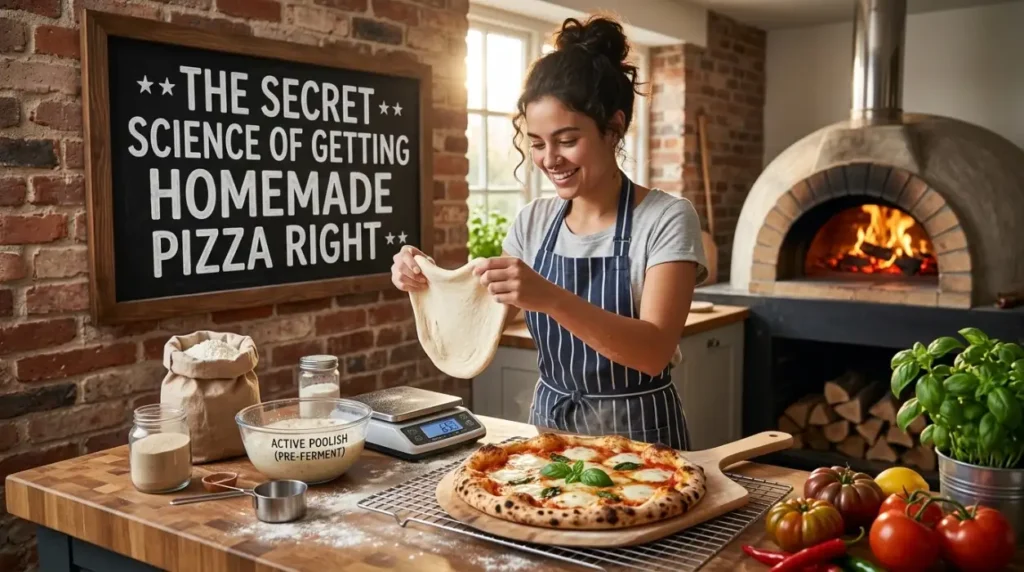
Baking incredible pizza at home comes down to mastering a few basic chemical reactions that happen inside your hot oven.
Understanding the Importance of Oven Heat
Standard home ovens typically top out around 500°F (260°C), whereas commercial brick ovens reach blistering temperatures of 800°F or higher.
To get that classic golden-brown chewiness at home, you must preheat your baking stone or heavy steel sheet for at least 45 minutes before baking.
Trapping intense radiant heat under the raw dough forces moisture out rapidly, creating tiny air pockets that yield a light, crispy crust instead of a soggy mess.
Gluten Development and Yeast Fermentation
Dough needs time for flour proteins to cross-link into strong, elastic gluten strands that hold expanding gas bubbles produced by yeast.
- Fast Fermentation: Allowing dough to rise at room temperature for two hours gives you quick, usable crust for busy weeknight meals.
- Slow Cold Fermentation: Storing dough inside a covered bowl in the refrigerator for 24 to 72 hours produces deep, complex bakery flavors.
- Hydration Levels: Using higher water-to-flour ratios creates large, airy crust bubbles, though wet dough requires a bit more hand flour when shaping.
Balancing Moisture Content Across Toppings
The biggest mistake home bakers make is piling on too many wet ingredients, which prevents the center of the pie from baking through completely.
Always drain canned tomatoes or fresh mozzarella thoroughly on paper towels before spreading them over your raw dough base.
Pre-cooking watery vegetables like mushrooms, spinach, and bell peppers removes excess moisture before assembly, guaranteeing a crisp slice every single time.
Clever Crust Alternatives for Every Dietary Need

You do not need traditional wheat flour dough to build a delicious, structural foundation for your favorite toppings.
Ultra-Fast Flatbread and Pita Bases
When time is tight, pre-baked naan bread, whole wheat pita pockets, and tortilla wraps make outstanding emergency crust substitutes.
Naan bread offers a rich, buttery texture with natural charred bubbles that mimic expensive wood-fired restaurant crusts remarkably well.
Simply brush your flatbread lightly with olive oil, layer your ingredients evenly, and bake for eight minutes until the edges turn crisp and bubbly.
Nutritious Veggie-Based Crust Hacks
Transforming ground vegetables into sturdy pizza dough keeps meals light, fresh, and packed with beneficial vitamins and fiber.
Cauliflower crust remains the most popular veggie alternative, but grated zucchini and sweet potato doughs offer fantastic flavor variations.
Squeeze out every drop of liquid from your cooked vegetable shreds using a clean kitchen towel before mixing in binding eggs and parmesan cheese.
Meat-Crust “Meatza” for Low-Carb Feasts
Protein-packed crusts skip grain flour entirely by using seasoned ground chicken, turkey, or Italian sausage as the bottom layer.
Press your seasoned meat mixture thinly across a parchment-lined baking pan and pre-bake it until it cooks through completely.
Mop away surface oils with a paper towel, add your favorite pizza sauce and shredded mozzarella, then broil until the cheese bubbles golden brown.
Comparing Creative Pizza Styles and Cooking Methods
Different crust styles and cooking surfaces yield completely distinct textures, preparation times, and flavor profiles.
Wild Sauce Alternatives Beyond Traditional Tomato

Swapping out standard red sauce changes the entire personality of your pie, opening up endless global flavor pairings.
Smoky BBQ and Sweet Honey Mustard
Tangy barbecue sauce pairs effortlessly with shredded rotisserie chicken, crisp red onion slices, and sharp smoked gouda cheese.
Mixing honey mustard with a dash of mayonnaise creates a rich, creamy base that works amazingly well with diced ham and Swiss cheese.
Keep sauce layers thin so that intense sweet or tangy flavors complement your cheese rather than overpowering the entire bite.
Rich Creamy Garlic White Sauces
Classic Alfredo sauce, garlic herb cream cheese, and ricotta spreads offer smooth, velvety alternatives for seafood or poultry pizzas.
- Garlic Parmesan Cream: Simmer heavy cream, minced garlic, and grated parmesan until thick, then let cool completely before spreading.
- Pesto Swirls: Blend fresh basil leaves, pine nuts, olive oil, and garlic into a vibrant green sauce that pairs brilliantly with fresh tomatoes.
- Warm Ricotta Base: Season whole-milk ricotta with lemon zest and black pepper for a light, fluffy base that holds roasted vegetables nicely.
Spicy Asian-Inspired Sauce Twists
Bring bold international flair to your kitchen by exploring sweet chili sauces, spicy peanut spreads, or teriyaki glazes.
A thin layer of Thai peanut sauce topped with shredded chicken, grated carrots, cilantro, and crushed peanuts makes an unforgettable dinner.
Top your spicy pies with fresh lime juice or sliced green onions right after pulling them out of the hot oven to keep flavors bright.
Unconventional Topping Combos That Actually Work
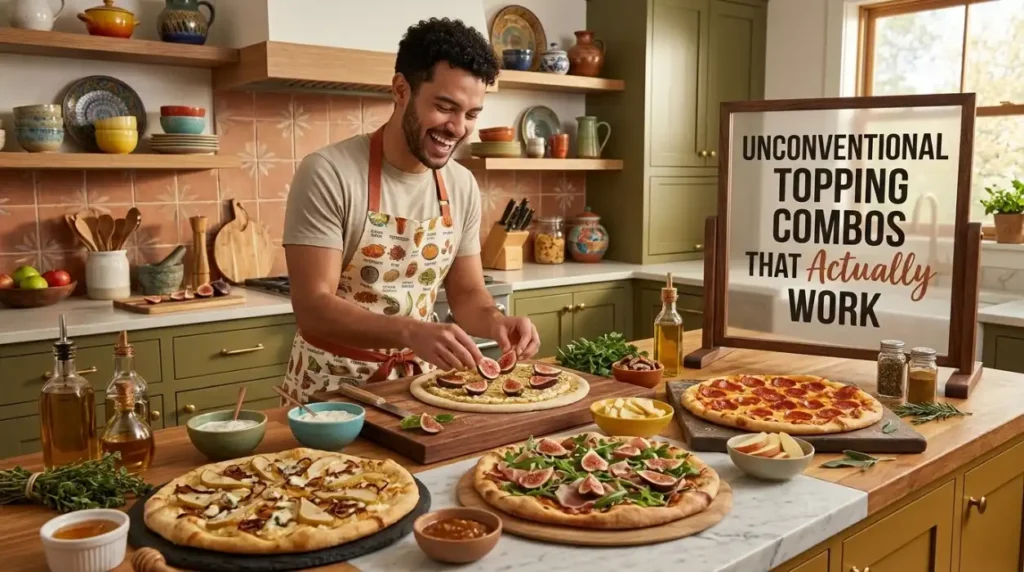
Stepping outside the traditional pepperoni box leads to surprisingly delicious flavor combinations that impress adventurous eaters.
The Sweet and Savory Fusion Experiment
Combining salty, cured meats with naturally sweet fruits balances your palate’s taste receptors in delightful ways.
Crispy prosciutto paired with sliced fresh figs, peppery arugula, and a drizzle of dark balsamic glaze creates an elegant restaurant-style pie.
Grilled pineapple chunks, spicy jalapeño rounds, and crispy bacon strips deliver a thrilling contrast of heat, smoke, and tropical sweetness.
Breakfast Pizza for Dinner Lovers
Who says pizza belongs exclusively to nighttime dining when breakfast toppings taste incredible baked over crisp dough?
Spread a thin layer of country gravy or salsa over your crust, then scatter scrambled eggs, cooked breakfast sausage, and hash browns.
Crack a few whole raw eggs directly onto the pie five minutes before baking finishes so the yolks stay soft and runny for dipping.
Taco Night Meets Pizza Night
Combine two undisputed crowd favorites by transforming your baking sheet into a fully loaded taco assembly line.
Refried beans or warm queso cheese act as the anchor sauce, topped with seasoned ground beef and melted cheddar jack cheese.
After baking, load the top with shredded iceberg lettuce, diced fresh tomatoes, crushed tortilla chips, and dollops of cool sour cream.
Irresistible Dessert Pizzas for Sweet Endings

Ending your meal with a dessert-style pie turns pizza making into a complete multi-course culinary event.
Decadent Chocolate Hazelnut and Berry Delights
Pre-bake a sweetened pastry crust or biscuit dough until golden, then spread a generous layer of chocolate hazelnut spread over the top.
- Fresh Berry Burst: Arrange sliced strawberries, raspberries, and blueberries in concentric circles for an eye-catching presentation.
- S’mores Craze: Scatter mini marshmallows and graham cracker crumbs over the chocolate spread, then broil briefly until toasted.
- Caramel Drizzle: Finish sweet pies with a drizzle of warm salted caramel sauce and a pinch of flaky sea salt.
Cinnamon Apple Pie Pizza
Spread a smooth layer of sweetened cream cheese over your pre-baked dough base, then layer thinly sliced honeycrisp apples on top.
Dust the apples heavily with cinnamon sugar and a crumbly streusel topping made from rolled oats, butter, and brown sugar.
Bake until the apples turn tender and the streusel turns golden brown, then serve warm with a scoop of vanilla bean ice cream.
Peanut Butter Banana Crunch
Spread creamy peanut butter over a warm crust, then top with sliced bananas, dark chocolate chips, and chopped honey-roasted peanuts.
A drizzle of honey seals the flavors together, providing a quick, satisfying dessert that kids and adults love equally.
Cut dessert pies into small bite-sized squares so guests can sample multiple sweet variations without feeling overly full.
Hosting a Stress-Free DIY Pizza Party

Organizing an interactive build-your-own-pizza station keeps party guests entertained while reducing the host’s kitchen workload significantly.
Setting Up the Assembly Line Efficiently
Pre-portion individual balls of dough onto parchment paper squares so guests can shape their personal crusts without fighting over workspace.
Set out toppings in small, separate glass bowls arranged in logical assembly order: crusts, sauces, cheeses, meats, and finished garnishes.
Provide wooden Popsicle sticks or small spoons for every sauce bowl so ingredients stay clean and unmixed throughout the party.
Managing Baking Times and Oven Flow
Baking multiple individual pies sequentially can leave early eaters waiting while later guests watch their food get cold.
- Pre-Bake Your Crusts: Par-bake personal dough rounds for four minutes beforehand so they hold shape and cook much faster during the party.
- Use Numbered Parchment: Have guests write their names on the edges of their parchment paper squares using marker pens to prevent mix-ups.
- Slice into Shared Bites: Cut every finished pie into small triangular wedges and place them on a central platter so everyone tastes every creation.
Essential Safety Tips for Cooking with Kids
Cooking with children builds valuable kitchen skills, but hot ovens and sharp tools require smart supervision.
Keep young kids focused on cool assembly tasks like spreading sauce, arranging fun topping faces, and sprinkling cheese evenly.
Designate a “hot zone” around the oven using floor tape, ensuring children stay at a safe distance when heavy pans move in and out.
Practice Exercise
Test your understanding of dough chemistry, cooking techniques, and party setup strategies with these 5 multiple-choice questions.
- Why is it important to preheat a baking stone or steel inside your home oven for 45 minutes beforehand?
A. To melt the stone so it mixes directly into the flour dough.
B. To trap intense radiant heat that forces moisture out quickly, producing a crisp bottom crust.
C. To sterilize the oven walls so you do not need to use baking parchment paper.
D. To reduce the temperature inside the oven down to a safe freezing level. - What happens if you add watery, uncooked vegetables like fresh mushrooms or spinach directly onto raw pizza dough?
A. The crust turns into a dry, powdery biscuit that crumbles instantly.
B. The excess moisture released during baking makes the center of the pizza soggy.
C. The vegetables turn into bright neon colors that stain the cheese blue.
D. The dough inflates like a helium balloon and floats to the top of the oven. - Why do doughs stored in the refrigerator for 24 to 72 hours taste better than quick two-hour doughs?
A. Refrigerator light adds natural sugar enzymes into the dough mixture.
B. Slow cold fermentation gives yeast time to develop deep, complex bakery flavors.
C. Cold air converts wheat flour directly into pure cocoa powder over time.
D. Cold dough absorbs salt much faster than warm dough at room temperature. - Which crust substitute provides a buttery texture with charred bubbles similar to wood-fired ovens?
A. Thin sheets of plain white printer paper soaked in olive oil.
B. Pre-baked Indian naan bread heated on a baking sheet or skillet.
C. Frozen blocks of raw tofu pressed flat with a rolling pin.
D. Solid slices of processed yellow American cheese laid end-to-end. - What is the main benefit of par-baking personal dough rounds before hosting a build-your-own pizza party?
A. It eliminates the need to use any cheese or sauce during the party.
B. It reduces final baking time during the party, helping pies cook quickly and evenly.
C. It keeps the dough completely frozen so guests can eat it like ice cream.
D. It forces guests to leave the party early before dinner is served.
Answer Key:
- B
- B
- B
- B
- B
FAQs
What is the best way to reheat leftover pizza so the crust stays crisp?
Reheat leftover slices in a dry cast-iron skillet over medium heat for three minutes to crisp the bottom crust. Cover the skillet with a lid for the final minute to trap heat and melt the cheese evenly without drying out the toppings.
How can I stop raw pizza dough from springing back when rolling it out?
If your dough keeps shrinking back while shaping, the gluten network is overly tight. Cover the dough ball with a damp cloth, let it rest undisturbed on the counter for ten minutes, then continue shaping once the gluten relaxes naturally.
Is it necessary to buy a high-end pizza stone for good home results?
No, an inexpensive heavy-duty inverted baking sheet or cast-iron skillet produces fantastic crisp crusts. High-density steel plates and ceramic stones heat more evenly, but basic metal cookware handles home baking needs remarkably well for beginners.
How do I prevent raw dough from sticking to my wooden pizza peel?
Dust your wooden peel lightly with coarse cornmeal or semolina flour rather than standard white flour before laying down dough. The tiny round grains act like ball bearings, allowing the raw pizza to slide effortlessly into the hot oven.
What cheeses melt best on homemade pizzas besides traditional mozzarella?
Provolone, Monterey Jack, low-moisture fontina, and young gouda offer incredible meltability and rich stretchiness. Blending sharp cheeses like parmesan or pecorino with mild melting cheeses delivers both great texture and bold savory flavor profiles.
Can I freeze homemade pizza dough for quick meals later?
Yes, divide your kneaded dough into individual balls, coat them lightly with olive oil, and seal them in freezer bags. Thaw frozen dough balls in the refrigerator overnight, then let them sit at room temperature for one hour before shaping.
Conclusion
Mastering fun pizza recipes is a delicious way to bring creativity and flavor into your home kitchen. From quick naan bases and creamy white sauces to colorful toppings, homemade pizza offers endless possibilities for different tastes and preferences.
Experimenting with dough textures, fresh ingredients, and unique topping combinations can make every pizza night more exciting. Preheating your oven properly and managing dough moisture can also help create a crisp, flavorful crust. Invite family or friends to build their own pizzas for an interactive meal.
Gather your favorite toppings, prepare your dough, and get ready to bake. Explore fun pizza recipes and turn an ordinary dinner into a memorable homemade feast.

Jack Olive is the creative mind behind buzzgiggles.com, a fun-focused website built to bring smiles, laughter, and lighthearted entertainment to everyday life. With a passion for humor and enjoyable content, Jack Olive creates and shares playful ideas, amusing stories, entertaining discoveries, and cheerful moments designed for readers of all kinds.
Through buzzgiggles.com, Jack Olive combines creativity, curiosity, and a positive sense of humor to explore the lighter side of life. Whether visitors are looking for a quick laugh, something interesting to share, or a cheerful break from their routine, the website offers content created with fun in mind. Jack Olive believes great entertainment should be easy to enjoy, memorable, and capable of brightening someone’s day.