
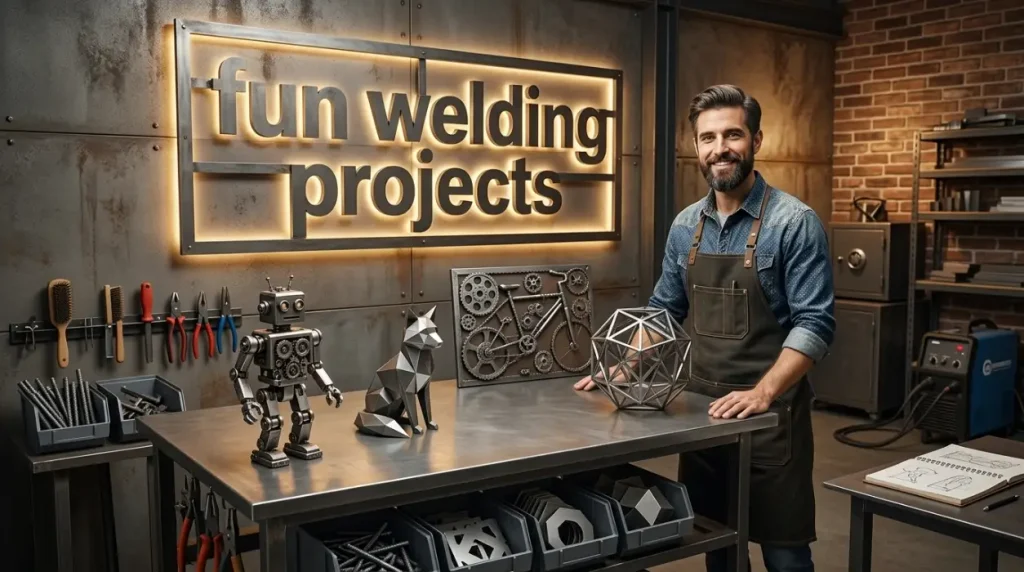
Fun welding projects are creative DIY metalworking builds that blend practical skill-building with artistic design. By fusing metal tubing, rebar, or scrap parts, hobbyists can build functional items like horseshoe boot racks, steel outdoor fire pits, industrial furniture, and unique garden sculptures right in their home workshop.
Have you ever looked at discarded scrap metal and imagined what it could become? Starting fun welding projects can turn rusty steel, old tools, and horseshoe pieces into creative home decor that catches attention.
Whether you want to build sturdy workshop furniture or unique garden art, fun welding projects offer an enjoyable way to practice fabrication skills. Each creation can help improve your confidence while giving unused materials a new purpose.
You do not need an industrial workshop or expensive equipment to enjoy welding as a weekend hobby. With suitable tools, preparation, and responsible safety practices, beginners can explore creative projects at their own pace.
In this guide, discover beginner-friendly builds, essential safety considerations, and clever scrap-metal ideas. Explore fun welding projects and turn ordinary metal into practical, eye-catching creations.
The Art and Joy of DIY Metal Fabrication
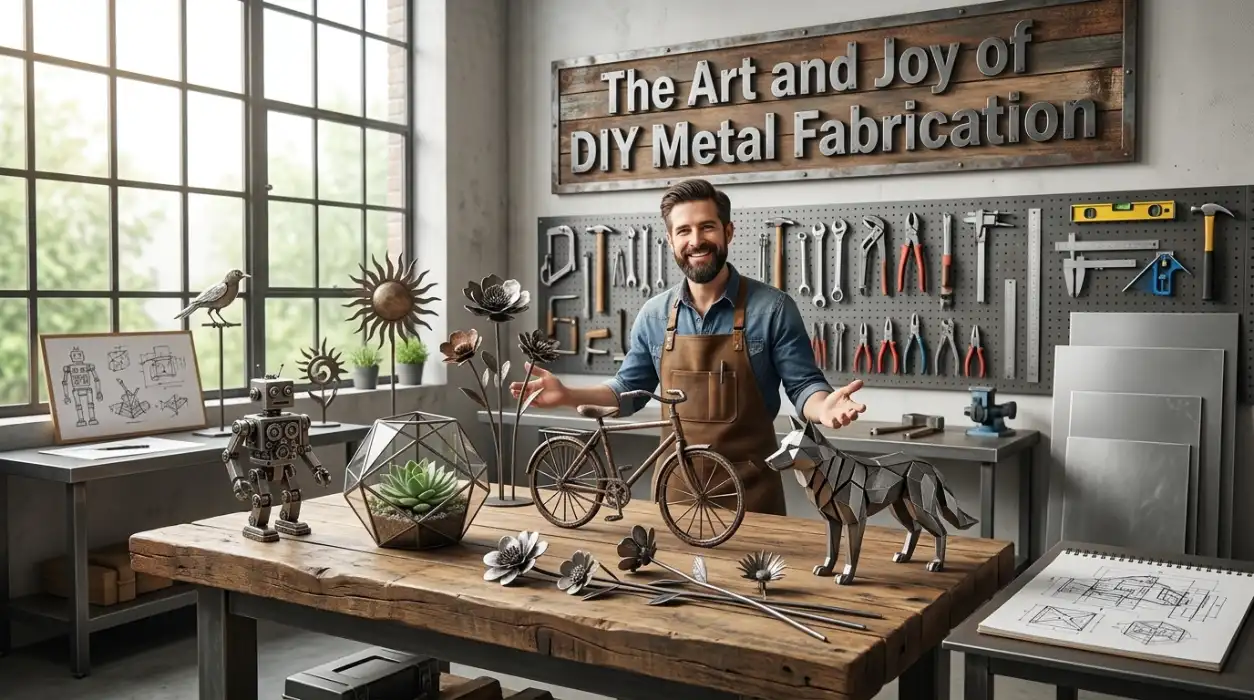
Metalworking combines heat, physics, and artistic imagination into one of the most satisfying hands-on hobbies you can pursue in a garage.
From Industrial Trade to Creative Hobby
For generations, metal joining belonged almost exclusively to shipyard workers, structural builders, and heavy equipment mechanics working in industrial plants.
The arrival of affordable, portable MIG and TIG machines brought electric arc metalworking directly into home garages and small hobby spaces.
Today, DIY builders fuse steel pieces to express personal creativity, build sturdy home furniture, and repair household tools without paying professional shop rates.
Why Fusing Metal Beats Working with Wood
Unlike woodworking, where a bad saw cut permanently ruins an expensive board, metal is incredibly forgiving when you make mistakes.
If you weld two metal pipes together at the wrong angle, you can grind the joint down, realign the pieces, and try again.
Steel structures also withstand outdoor rain, heavy weight, and intense heat far better than wooden projects ever could.
Building Confidence One Weld Bead at a Time
Striking an arc for the very first time feels intimidating, but watching two separate pieces of steel fuse solid creates instant excitement.
Mastering puddle control teaches patience, hand-eye coordination, and spatial planning as you see raw materials transform under bright sparks.
Essential Tools and Safety Gear for Beginners
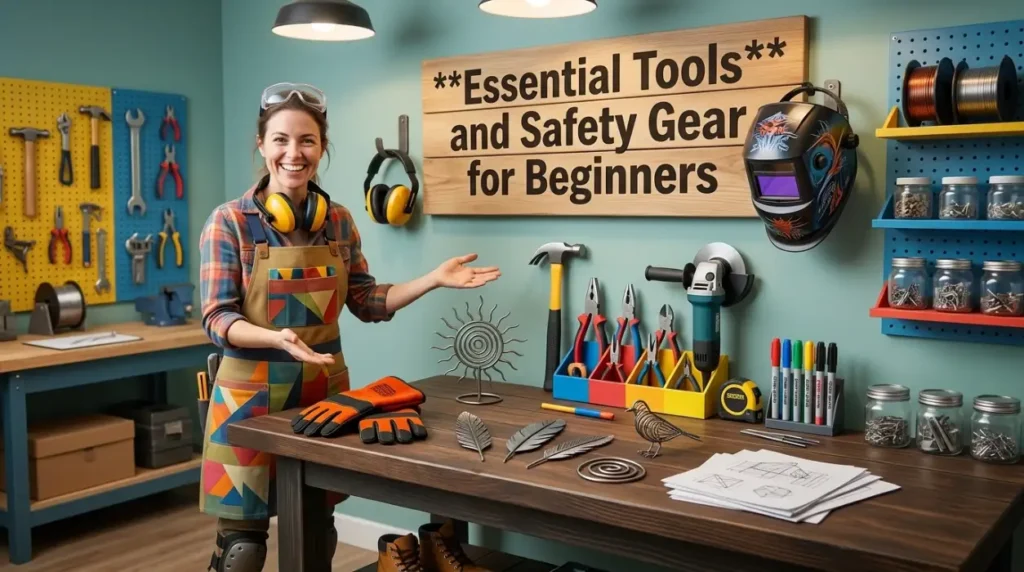
Setting up a safe, functional metalworking corner requires protective apparel and basic equipment before turning on your machine.
Choosing Your First Machine: MIG, TIG, or Stick
Selecting the right power source depends heavily on the metal types and project styles you plan to build most often.
- MIG Welders: Use a continuous wire spool fed through a gun, making them the absolute easiest choice for beginners building home projects.
- Stick Welders: Excellent for thick steel outdoor gates and farm repairs because they handle dirty or rusty metal with ease.
- TIG Welders: Deliver unmatched precision and clean welds for intricate metal art, stainless steel, or thin aluminum tubing.
Crucial Personal Safety Gear
Protecting your eyes, skin, and lungs from intense ultraviolet radiation, flying sparks, and metal fumes is mandatory for every project.
- Auto-Darkening Helmet: Instantly darkens the lens shade when an arc strikes, protecting your eyes while keeping your hands free.
- Heavy Leather Gloves: Shield your hands from hot metal slag, sharp cut edges, and thermal radiation.
- Flame-Resistant Jacket: Heavy split-cowhide leather or thick treated cotton sleeves prevent stray sparks from burning holes in your clothing.
Workshop Prep and Fire Prevention
Clear away dry sawdust, cardboard boxes, paper trash, and flammable liquids within twenty feet of your metalworking area.
Keep a fully charged Class ABC fire extinguisher mounted near your shop exit, and always wear a proper respirator when grinding painted or galvanized metal.
Popular Beginner Projects for Home and Garden
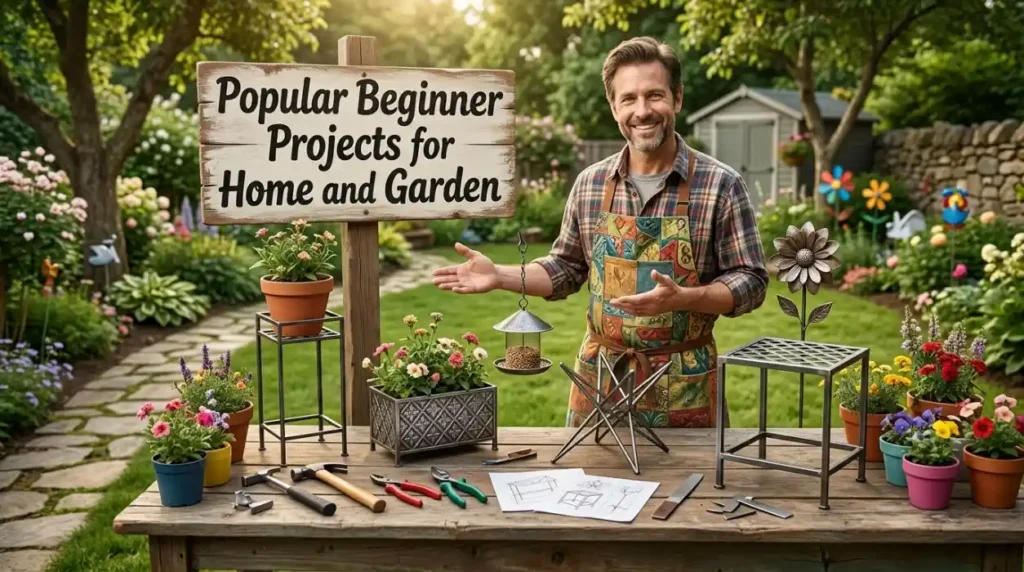
Starting with smaller, straightforward metal shapes helps you practice clean welds without getting overwhelmed by complex measurements.
Horseshoe Boot Racks and Coat Hangers
Used horseshoes are made of soft steel that welds easily using basic MIG wire and low voltage settings.
Tack four horseshoes together side-by-side to create stable boot holders, or bend horseshoe nails into hooks for custom entryway coat racks.
Heavy-Duty Industrial Steel Fire Pits
Building an outdoor fire pit gives you plenty of practice running long, continuous weld seams on thick steel plate.
- Cut four matching sheet metal trapezoids using an angle grinder fitted with a thin cut-off wheel.
- Bevel the meeting edges to ensure deep weld penetration along every corner seam.
- Add sturdy square tubing legs to raise the pit off dry grass and deck surfaces safely.
Geometric Metal Plant Stands and Garden Trellises
Thin steel rebar and round rod stock bend easily into delicate geometric grids for climbing garden vines.
Welding small steel rings onto vertical rebar stakes creates durable plant holders that outlast cheap plastic store alternatives by decades.
Comparing Metal Joining Methods for Hobbyists
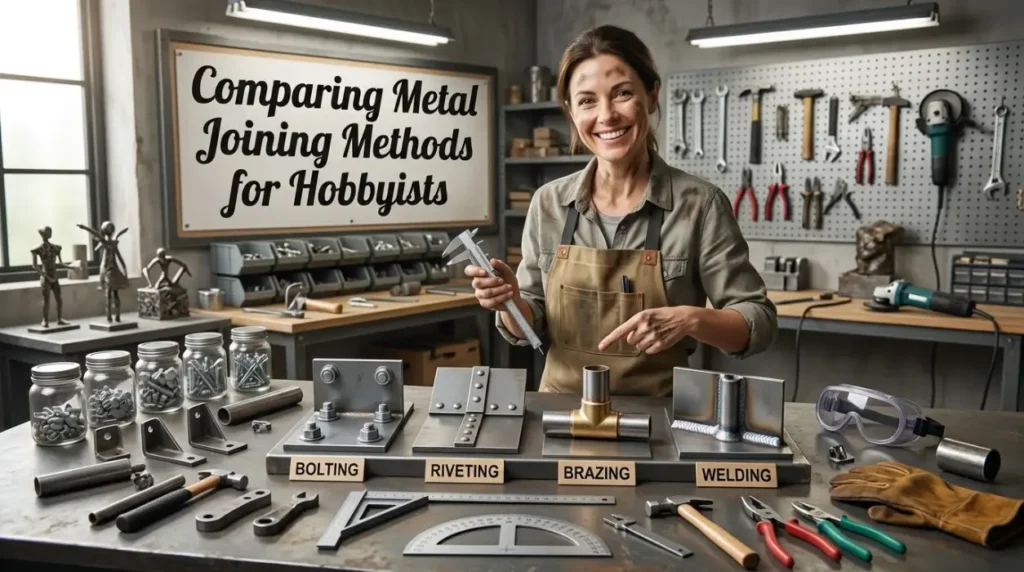
Different welding processes offer distinct advantages depending on your project goals, metal thickness, and workspace setups.
Scrap Metal Crafting and Upcycling Ideas
Hunting for old metal junk turns cheap scrap yard finds into eye-catching workshop art and practical tools.
Turning Old Tools into Scrap Creatures
Old wrenches, rusty pliers, circular saw blades, and lawnmower gears make fantastic building blocks for metal animal sculptures.
A bent pair of needle-nose pliers forms a stork’s beak, while rusted ball bearings become glowing eyes on a scrap metal owl sculpture.
Building Industrial Pipe Desks and Tables
Combining thick wood slabs with welded square tubing frames produces sturdy, modern furniture that lasts generations.
Miter-cut four pieces of two-inch square steel tubing at forty-five-degree angles to fabricate rigid rectangular leg bases for heavy dining tables.
Making Custom Shop Fixtures and Clamping Tables
Building your own metal welding table is a rite of passage that improves every future project you build.
Welding a thick top plate onto a frame with heavy locking caster wheels gives you a flat, fireproof workbench that rolls wherever you need it.
Tips for Strong, Clean, and Beautiful Welds
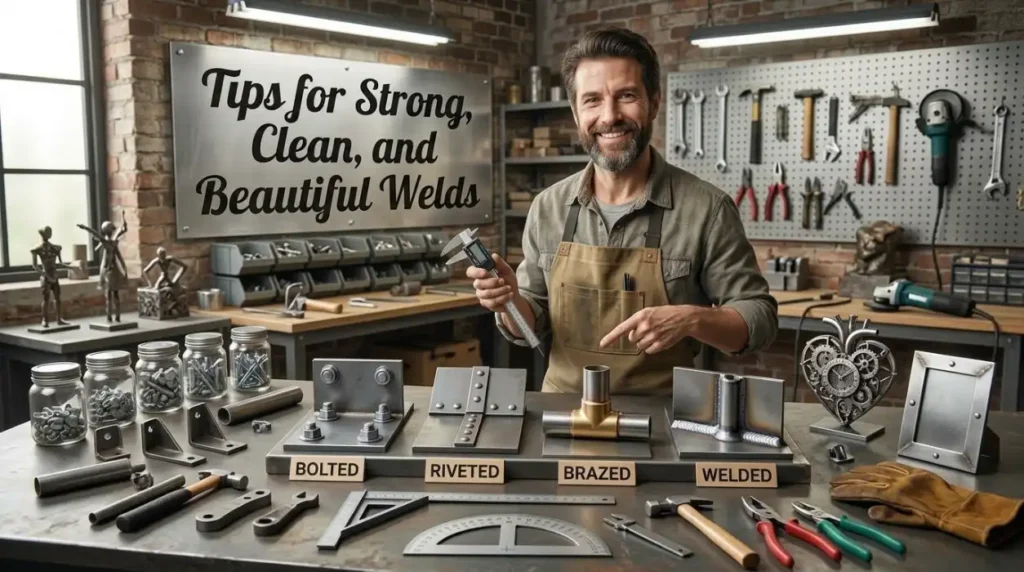
Achieving smooth, ripple-pattern weld beads comes down to proper joint preparation and steady gun control.
Cleaning Metal Surfaces Thoroughly
Trying to weld over thick rust, oil, grease, paint, or zinc plating creates weak, porous joints full of air pockets.
Use a flap disc on an angle grinder to strip metal down to bright, shiny steel before striking your arc.
Controlling Heat Input and Travel Speed
Moving your torch too quickly creates thin, weak beads that sit on top of metal without melting into the base material.
- Listen for the Sound: A well-tuned MIG welder running on solid steel sounds like bacon sizzling crisp in a hot pan.
- Watch the Puddle: Keep your eyes focused on the liquid metal pool behind the wire tip, guiding it smoothly along the seam line.
- Manage Distortion: Tack-weld your project corners first to prevent high heat from warping straight steel bars out of shape.
Finishing, Sanding, and Rust Protection
Smooth rough corner welds using a sixty-grit grinding wheel before switching to fine flap discs for a seamless finish.
Apply a coat of clear metal sealer to preserve natural rust patinas, or paint your project with oil-based primer to prevent corrosion outdoors.
Practice Exercise
- Which welding process is considered the easiest for complete beginners due to its continuous wire feed mechanism?
A. TIG welding using a foot pedal controller.
B. Oxy-acetylene torch brazing with flux rods.
C. MIG welding with solid wire and shielding gas.
D. Shielded metal arc welding using thick stick electrodes. - Why is cleaning rust, paint, and mill scale off steel mandatory before starting your weld?
A. Contaminants create weak, porous welds and cause excessive spark spatter.
B. Rust causes the auto-darkening helmet lens to freeze permanently dark.
C. Clean steel changes color to bright blue when exposed to room air.
D. Paint acts as a natural shielding gas that burns away electric arcs. - What protective gear is required to shield your eyes from intense ultraviolet light produced by electric arcs?
A. Standard plastic reading glasses with clear lenses.
B. An auto-darkening welding helmet with proper shade ratings.
C. A clear plastic face shield used for woodworking.
D. Dark tinted sunglasses designed for beach wear. - How does tack-welding project corners prior to running full seams assist your build?
A. It permanently seals the joint without needing full weld passes.
B. It holds steel pieces firmly in place to prevent heat distortion and warping.
C. It lowers the electrical voltage needed to melt thick steel plates.
D. It eliminates the need to use angle grinders during cleanup. - Which tool is safest and most effective for grinding down rough weld seams on flat steel?
A. A hand wood rasp fitted with a plastic handle.
B. An angle grinder equipped with a dedicated metal grinding or flap disc.
C. A high-speed drill fitted with a wire bottle brush.
D. A dull hand hacksaw blade wrapped in cloth tape.
Answer Key:
- C
- A
- B
- B
- B
FAQs
Can I plug a basic MIG welder into a standard home wall outlet?
Yes, many compact 120-volt MIG welders plug directly into standard 15-amp or 20-amp household wall outlets. These smaller machines handle steel up to 3/16-inch thick, making them ideal for lightweight home projects.
Is it safe to weld galvanized steel inside a home garage?
Welding galvanized steel releases dangerous zinc oxide fumes that cause severe flu-like symptoms known as metal fume fever. Always grind off the shiny zinc coating completely and work in a well-ventilated area with an exhaust fan.
What is the difference between solid wire MIG and flux-cored wire?
Solid MIG wire requires a cylinder of shielding gas like argon or carbon dioxide to protect the molten puddle from air. Flux-cored wire contains gas-producing chemicals inside the wire hollow, allowing you to weld outdoors in windy weather without gas bottles.
How do I prevent thin metal tubing from burning holes during welding?
Prevent burn-through on thin metal by using lower voltage settings, thinner wire, and a stitch welding technique. Trigger the gun in short one-second bursts rather than running one long, continuous hot bead down the thin seam.
Why does my welder wire keep sticking to the contact tip?
Wire burn-back usually happens when your travel speed is too slow, or your gun tip is held too close to the workpiece. Maintain a steady 3/8-inch distance between the nozzle and metal while keeping consistent wire feed speed.
Do I need a dedicated metal workbench to start welding?
While a steel table is ideal because it grounds your workpiece naturally, you can start on a simple folding metal welding stand. Never weld on wooden workbenches, plastic folding tables, or carpeted floors where hot sparks can ignite fires.
Conclusion
Taking on fun welding projects is an exciting way to develop hands-on skills while creating strong, practical designs. From horseshoe racks and garden trellises to creative metal decorations, welding can transform ordinary materials into useful artwork. Beginners can start with simple projects to build confidence and improve their technique.
Using proper protective equipment, preparing metal surfaces, and practicing controlled welding movements can help produce cleaner and stronger results. As your skills grow, you can experiment with different shapes, designs, and customized pieces for your workshop, garden, or home.
Whether you are new to welding or already experienced, fun welding projects offer endless creative possibilities. Choose an interesting idea, prepare your workspace safely, and turn raw metal into something practical, attractive, and uniquely yours.

Jack Olive is the creative mind behind buzzgiggles.com, a fun-focused website built to bring smiles, laughter, and lighthearted entertainment to everyday life. With a passion for humor and enjoyable content, Jack Olive creates and shares playful ideas, amusing stories, entertaining discoveries, and cheerful moments designed for readers of all kinds.
Through buzzgiggles.com, Jack Olive combines creativity, curiosity, and a positive sense of humor to explore the lighter side of life. Whether visitors are looking for a quick laugh, something interesting to share, or a cheerful break from their routine, the website offers content created with fun in mind. Jack Olive believes great entertainment should be easy to enjoy, memorable, and capable of brightening someone’s day.