

Fun sock facts reveal how foot coverings evolved from matted animal hair in ancient times into high-tech, stylish daily essentials. Socks control sweat, reduce friction, prevent blisters, and regulate body temperature while allowing people to express personality, preserve health, and enjoy unique cultural traditions worldwide.
Have you ever wondered why your washing machine seems to eat a single sock while leaving the other behind? Learning a few mind-blowing fun sock facts makes pulling on your daily footwear so much more entertaining every single morning.
Footwear has a rich history that stretches back thousands of years before modern fashion trends even existed.
When you dive into these fun sock facts, you quickly discover how simple fabric tubes transformed human health and global culture.
Let’s explore some incredible fun sock facts together and uncover the surprising history sitting right inside your shoe drawer!
The Unexpected History of Foot Coverings
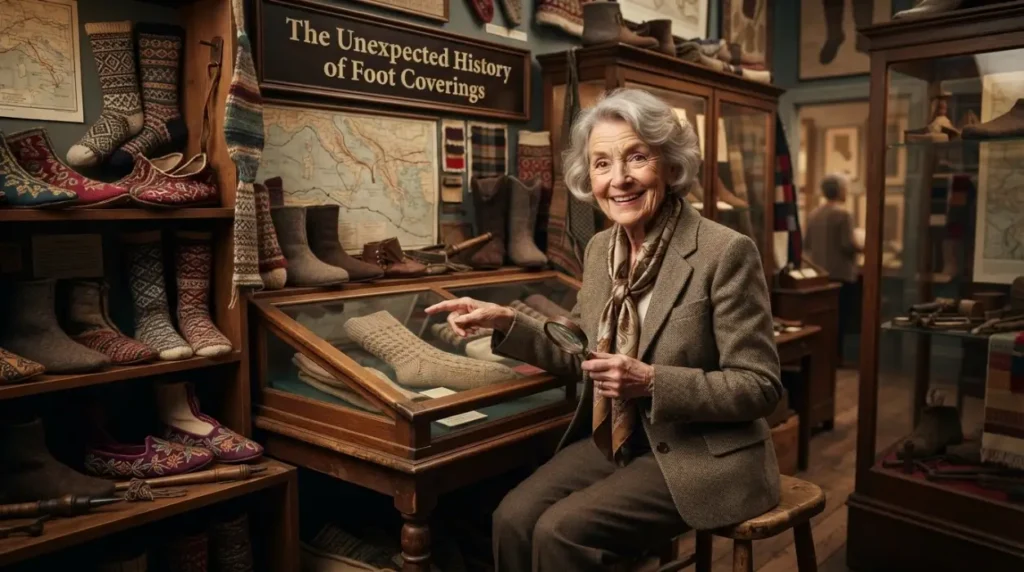
Long before brightly colored novelty patterns filled store shelves, early humans created basic foot coverings purely for survival. Cold weather and rough terrain forced ancient civilizations to experiment with whatever raw materials they could find nearby.
Understanding where footwear started helps us appreciate the unbelievable engineering inside modern athletic and dress options today.
Let’s take a look at how early humans transformed animal skins into comfortable, protective footwear.
Cavemen and Leather Animal Wraps
The earliest ancestors wrapped their feet in animal skins and tied them tightly with sinew to survive harsh winters. Archaeologists have discovered evidence suggesting early hunters stuffed these leather pouches with dried moss or grass for extra insulation.
This early stuffing acted as the very first cushioned footbed, protecting soles from jagged rocks and sharp ice.
While these crude leather bags were not stylish, they kept early humans warm and mobile during long hunting trips.
Ancient Greek Knitted Clumps and Roman Leather Boots
Ancient Greeks took foot comfort a step further by weaving matted animal hair into soft inner linings called piloi. They wore these coarse hair socks inside leather sandals to prevent painful rubbing during long walks across dusty trails.
When the Romans expanded across colder regions of Europe, they invented fitted fabric wraps called udones to keep soldiers’ toes dry.
- Leather Wraps: Early Roman soldiers bound woven cloth around their lower legs to prevent chafing inside heavy armor.
- Fitted Seams: Craftsmen eventually learned how to cut and sew fabric pieces to fit the exact contours of human feet.
- Status Symbols: Wealthy Roman citizens wore brightly dyed cloth wraps to display social standing at public gatherings.
Ancient Inventions That Changed Foot Comfort
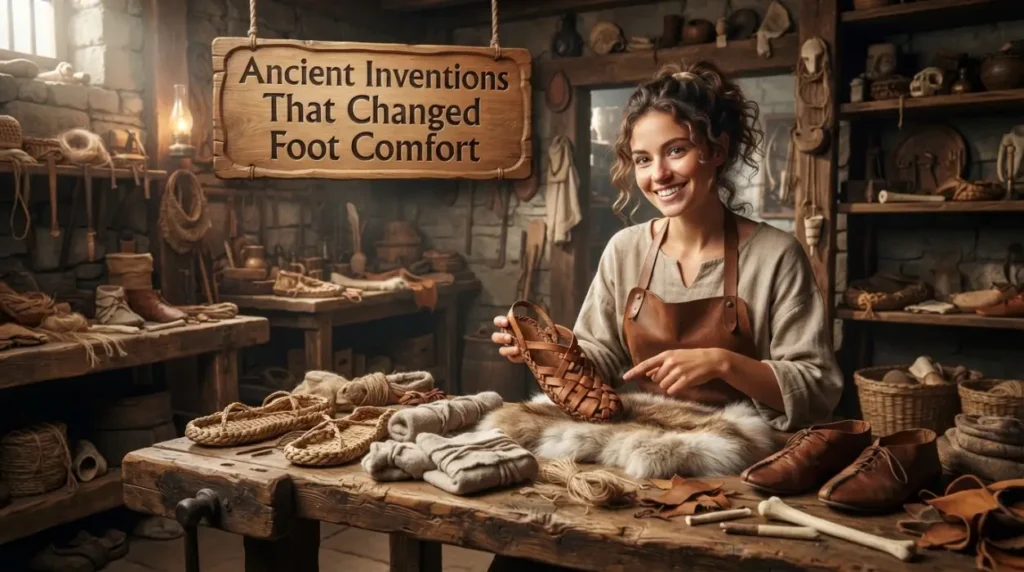
As weaving techniques improved across ancient empires, foot coverings transitioned from crude protection into refined garments. Artisans began experimenting with soft wool, fine linen, and specialized knitting tools to create comfortable, form-fitting pieces.
These early technical breakthroughs laid the groundwork for modern garment production that millions of people enjoy today.
Let’s explore the world’s oldest surviving pair and see how early knitters solved complex design problems.
The World’s Oldest Split-Toed Egyptian Pair
The oldest surviving knitted socks date back to roughly 300 to 500 AD, discovered along the Nile River in Egypt. These famous red wool items feature a distinct split toe designed specifically to pair comfortably with traditional leather thong sandals.
Craftsmen used an ancient single-needle technique called nalbinding to build the durable structure row by row.
This intricate needle technique created an elastic fabric that stretched comfortably over heels without tearing apart.
Why Wealthy Elites Wore Hand-Sewn Silk Garments
During the Middle Ages, long fitted hose became an essential fashion statement for wealthy nobles and royalty across Europe. Silk and fine wool stockings demonstrated immense wealth because each piece required dozens of hours of painstaking manual labor.
Kings and lords decorated their stockings with gold threads, intricate embroidery, and colorful family crests to show off power.
Lower-class peasants continued wearing simple linen wraps or wooden clogs because luxurious hand-woven silk remained impossibly expensive.
The Great Laundry Mystery: Science Behind Missing Items

Every single household deals with the frustrating mystery of single socks vanishing during weekly wash cycles. What feels like a magical trick actually has a very logical explanation rooted in physics, mechanical design, and simple human habits.
Understanding how your laundry appliances operate can help you keep your favorite pairs together for years.
Let’s separate washing machine myths from actual appliance engineering facts.
How Front-Loaders Swallow Tiny Clothing Pieces
Front-loading washing machines rely on flexible rubber door gaskets to keep water from leaking onto your laundry room floor. During high-speed spin cycles, small garments can easily get pushed into the tiny gap between the spinning tub and rubber seal.
Water pressure forces the thin fabric past the outer rim where it slips completely down into the internal machine housing.
Once inside the dark machine body, the lost item sits wrapped around heating elements or settles near the drain pump.
Simple Habits That Stop Single Disappearances
You do not need an advanced engineering degree to prevent your favorite athletic pairs from disappearing during wash days. Making a few tiny changes to your normal laundry routine will keep your sock drawers completely balanced and organized.
- Use Mesh Laundry Bags: Zip smaller garments inside breathable mesh bags before placing them in the washing machine.
- Clip Pairs Together: Use plastic laundry pegs or safety pins to hold matching pairs together throughout the entire wash cycle.
- Count Before Loading: Quickly tally your pairs before throwing them in so you notice missing items before drying.
- Keep a Dedicated Basket: Place single items in a small basket near your dryer until their missing matches reappear.
Strange Footwear Traditions Around the World
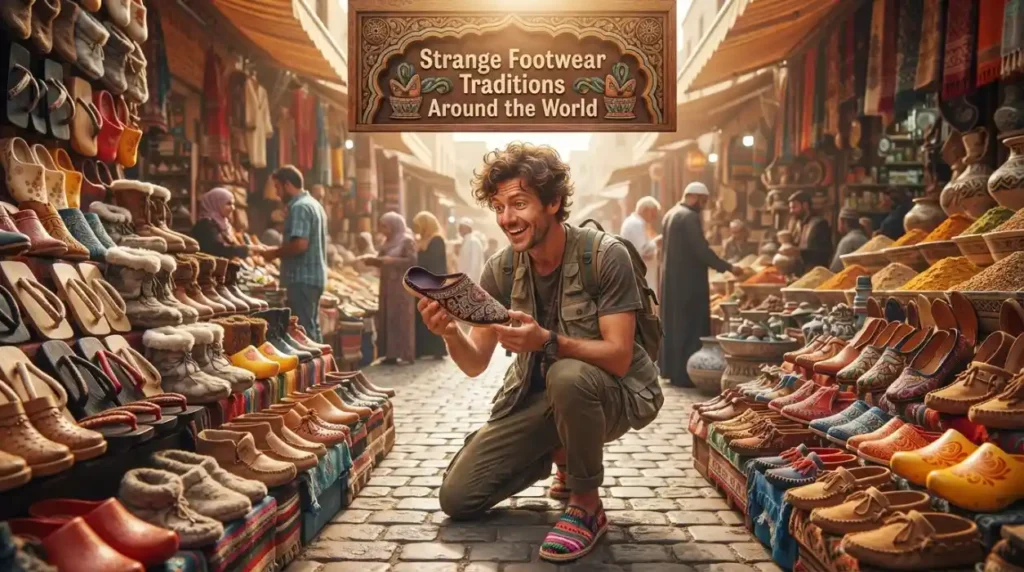
Different cultures around the globe view foot coverings through unique historical, social, and spiritual perspectives. What seems like a basic everyday garment in one country carries deep symbolic meaning or special etiquette rules in another.
Exploring international traditions shows us how simple footwear connects to respect, hygiene, and regional climate needs.
Let’s take a quick journey across different continents to see fascinating cultural footwear practices.
Japanese Tabi and Indoor Shoe Etiquette
In Japan, traditional footwear etiquette plays a central role in maintaining home cleanliness and demonstrating personal respect to hosts. People remove outdoor shoes at entryways called genkan and step directly into clean indoor slippers or specialized split-toed tabi.
Traditional tabi feature a distinct separation between the big toe and smaller toes, allowing them to fit thonged geta sandals.
Modern tabi remain very popular today during traditional tea ceremonies, martial arts practice, and formal wedding celebrations.
The Christmas Stocking Legend and St. Nicholas
The popular holiday tradition of hanging oversized stockings near fireplaces traces back to a heartwarming ancient legend about St. Nicholas. According to folklore, a kindly bishop wanted to help a poor nobleman who could not afford dowries for his three daughters.
St. Nicholas rode by the family’s house late at night and tossed gold coins down their warm chimney.
The gold coins landed directly inside freshly washed wool stockings hung by the fireplace hearth to dry overnight.
Health Benefits and Body Temperature Secrets

Wearing the right foot coverings affects far more than just your visual style and daily fashion choices. Medical researchers have proven that proper foot garments directly influence circulation, skin health, body temperature, and overall sleep quality.
Understanding how your feet interact with different fabrics empowers you to make smarter health decisions every day.
Let’s examine how covering your toes helps keep your entire body healthy and comfortable.
The Surprising Link Between Warm Toes and Fast Sleep
If you struggle to fall asleep quickly at night, putting on a clean pair of soft bed socks might fix your problem. Medical studies show that warming your feet causes blood vessels in your extremities to dilate and widen naturally.
This widening process releases heat through your skin, signaling to your brain that it is time to rest.
Vasodilation Mechanism
As warm blood flows freely through dilated foot vessels, your core body temperature drops slightly to trigger natural sleepiness. This gentle cooling response helps you fall asleep faster without relying on sleeping pills or cool room air.
Skin Moisture Retention
Wearing soft cotton or cashmere to bed locks in moisturizing lotion, preventing painful heel cracks during dry winter months. Your skin absorbs hydrating ingredients much better when covered by a breathable fabric layer throughout the night.
How Compression Fabric Improves Blood Circulation
Compression garments apply gentle, targeted pressure to your lower legs, helping blood fight gravity and return toward your heart. Nurses, runners, pilots, and office workers rely on compression technology to prevent leg swelling during long shifts.
Boosting venous return reduces leg fatigue, minimizes muscle soreness, and prevents dangerous blood clots during long flights.
Investing in quality gradual compression wear keeps your legs feeling light, fresh, and energetic all day long.
Material Magic: Wool vs. Cotton vs. Synthetics
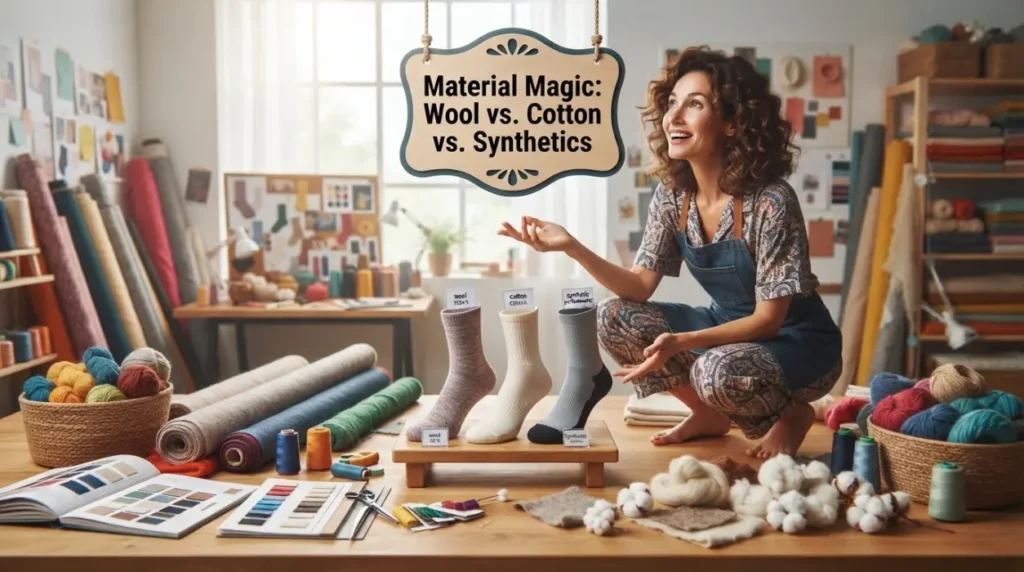
The performance of any sock depends almost entirely on the specific fiber blend used during the manufacturing process. Choosing the wrong fabric blend for intense workouts or extreme cold can lead to damp feet, foul odors, and painful friction blisters.
Comparing popular textiles side-by-side helps you pick the perfect material for any activity or climate condition.
Let’s break down how natural fibers compare against advanced synthetic options.
Merino Wool’s Moisture-Wicking Abilities
Merino wool stands out as nature’s ultimate high-performance fiber, harvested from specialized sheep bred in high-altitude environments. Unlike scratchy traditional wool, fine merino fibers feel incredibly soft against sensitive skin while offering unmatched temperature regulation.
Wool fibers absorb moisture vapor before it turns into liquid sweat, pushing humidity outward into the open air.
- Odor Resistance: Natural lanolin inside wool prevents odor-causing bacteria from growing inside the fabric weave.
- Temperature Control: Wool insulates feet during icy winters while staying surprisingly cool and breathable during summer hikes.
- Cushioned Impact: Naturally crimped wool fibers act like miniature springs, providing natural shock absorption under heavy heels.
The Dark Side of 100% Cotton in Sportswear
While pure cotton feels wonderfully soft for casual everyday wear, it is actually the worst choice for intense athletic activities. Cotton fibers act like sponges, soaking up liquid sweat and holding damp moisture directly against your bare skin.
Wet cotton loses all structural elasticity, bunching up inside running shoes and causing painful friction blisters within minutes.
Athletes should always choose moisture-wicking synthetic blends or merino wool to keep their feet dry and blister-free.
Practice Exercise
Test your knowledge of footwear history, laundry appliance mechanics, and material science by answering the five questions below.
- What ancient needlework technique was used to create the world’s oldest surviving Egyptian split-toed socks?
A. Modern machine looms
B. Single-needle nalbinding
C. Double-needle crochet
D. Industrial seam welding - Why do front-loading washing machines frequently trap small laundry items like single socks?
A. They evaporate thin cotton fabrics into hot steam during wash cycles.
B. Small items get pushed into the flexible gap behind the rubber door gasket during fast spins.
C. Electric heating coils burn small garments into fine ash instantly.
D. The drain pump turns lost clothing items into plastic laundry buttons. - How does wearing warm socks to bed help people fall asleep faster at night?
A. It raises core body temperature to dangerous fever levels.
B. It dilates foot blood vessels, allowing the core body temperature to drop and signal sleep readiness.
C. It stops the brain from producing melatonin during late evening hours.
D. It prevents leg muscles from moving at all during sleep. - What natural fiber is known for absorbing sweat vapor and naturally resisting odor-causing bacteria?
A. Pure polyester
B. Unrefined cotton
C. Merino wool
D. Recycled nylon - Which cultural footwear item features a distinct split toe designed to fit traditional Japanese geta sandals?
A. Udones
B. Piloi
C. Tabi
D. Hose
Answer Key:
- B
- B
- B
- C
- C
FAQs
Why do my socks wear out so quickly at the heel and toe?
Heel and toe areas experience non-stop friction and pressure from walking, running, and shoe rubbing every day. Fabrics wear thin faster when shoes fit loosely or when feet sweat heavily without proper moisture-wicking materials.
How often should I replace my daily athletic socks?
You should replace athletic pairs every six to twelve months depending on workout frequency and wash wear. Worn elastic, thin soles, and persistent odors signal that the fibers have lost their protective cushioning abilities.
Can wearing socks inside the house prevent foot injuries?
Wearing cushioned pairs with rubber grip soles protects bare feet from stubbed toes, sharp floor objects, and slippery wood steps. They also provide light arch support and keep natural floor oils from dirtying clean indoor carpets.
What causes smelly feet when wearing synthetic fabrics?
Cheap synthetic fabrics trap sweat against your skin, creating a warm, damp environment where odor-causing bacteria thrive. Switching to breathable merino wool or moisture-wicking athletic blends prevents bacterial buildup and keeps feet smelling fresh.
Are seamless socks better for people with sensitive feet?
Seamless designs eliminate raised hand-linked toe seams that rub against toes inside tight-fitting shoes. They reduce painful friction points, making them ideal choices for runners, diabetics, and individuals with sensory sensitivities.
Conclusion
Exploring incredible fun sock facts proves that everyday footwear is far more fascinating than most people ever realize. From ancient Egyptian split-toed designs to advanced moisture-wicking athletic blends, these simple garments keep our feet healthy, comfortable, and stylish every day.
Making smart material choices and caring for your footwear prevents lost items and keeps your legs feeling great.
Whether you prefer colorful novelty prints or high-performance wool hiking gear, taking care of your feet pays off daily.
Ready to upgrade your morning routine and show off your newfound knowledge with friends and family? Share your favorite footwear trivia, organize your laundry drawers, and step into total comfort today!

Jack Olive is the creative mind behind buzzgiggles.com, a fun-focused website built to bring smiles, laughter, and lighthearted entertainment to everyday life. With a passion for humor and enjoyable content, Jack Olive creates and shares playful ideas, amusing stories, entertaining discoveries, and cheerful moments designed for readers of all kinds.
Through buzzgiggles.com, Jack Olive combines creativity, curiosity, and a positive sense of humor to explore the lighter side of life. Whether visitors are looking for a quick laugh, something interesting to share, or a cheerful break from their routine, the website offers content created with fun in mind. Jack Olive believes great entertainment should be easy to enjoy, memorable, and capable of brightening someone’s day.