
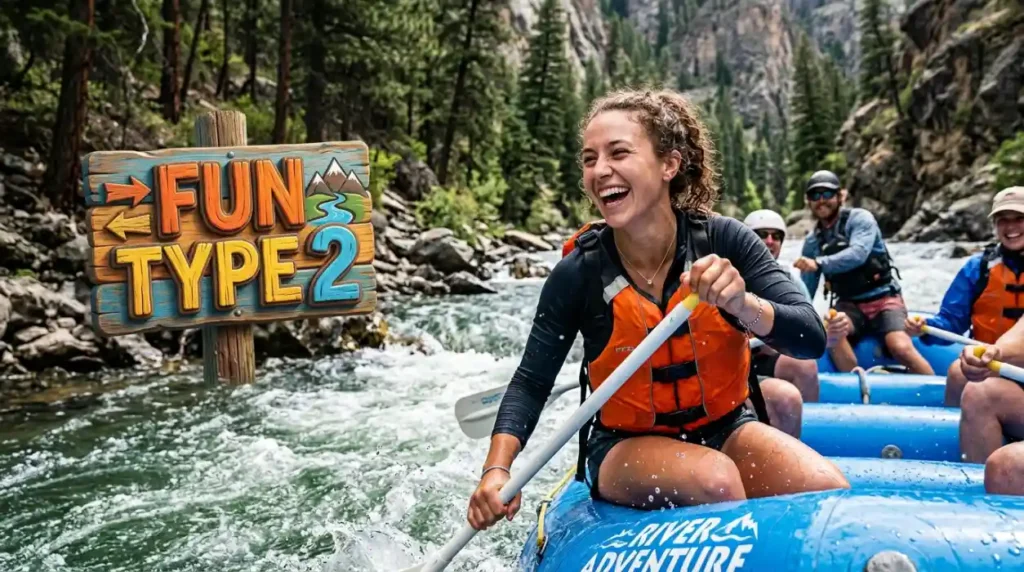
Fun type 2 refers to experiences that feel exhausting, stressful, or miserable while they are happening, but become deeply rewarding, epic memories after you finish. Common in outdoor sports like high-altitude mountaineering and ultra-marathons, it builds mental resilience, strong bonds, and unforgettable stories.
Have you ever finished a challenging outdoor adventure feeling exhausted, cold, and surprisingly proud? A fun type 2 experience may feel difficult in the moment, yet it often becomes one of those unforgettable stories you enjoy sharing later.
The psychology behind fun type 2 adventures explains why people sometimes choose challenging activities over comfortable routines. Hiking, camping, or exploring unfamiliar trails can test patience, build confidence, and create powerful memories through shared experiences.
Looking back, difficult moments can feel more rewarding as you remember the laughter, teamwork, and sense of achievement. These experiences can teach valuable lessons while encouraging people to appreciate nature and personal growth.
In this guide, explore the psychology, memorable examples, and smart safety strategies behind adventurous experiences. Discover how fun type 2 challenges can become meaningful memories when approached responsibly and with proper preparation.
The Fun Scale: Understanding All Three Types of Fun
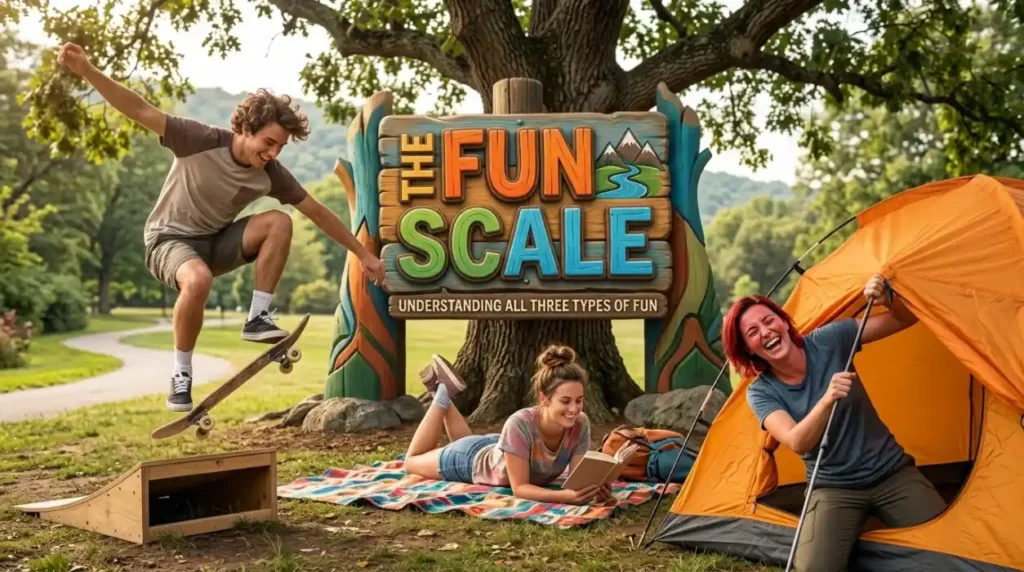
Outdoor enthusiasts, climbers, and backcountry guides use a popular three-tier scale to categorize human enjoyment and suffering. Defining these categories helps set realistic mental expectations before heading out into the wild.
Type 1 Fun: Instant, Easy Enjoyment
Type 1 fun is enjoyable while it is happening, requires minimal effort, and carries almost zero physical or mental suffering.
Examples include eating ice cream on a sunny beach, riding a smooth downhill bike trail, or floating lazy rivers with friends. You feel happy during the activity, and you feel happy thinking about it afterward.
Type 2 Fun: Miserable in the Moment, Glorious in Hindsight
Type 2 fun is miserable, tiring, or stressful while you are actively doing it, but turns into fantastic fun once you finish.
Pushing through a surprise snowstorm during a backpacking trip or grinding up a steep mountain pass fits here. The joy comes entirely from overcoming difficulty, reaching the summit, and sharing heroic stories around a warm dinner table.
Type 3 Fun: Never Fun at All
Type 3 fun is not enjoyable while it is happening, and it remains completely awful when you look back on it later.
This category involves actual danger, medical emergencies, gear failures, or dangerous survival situations. If a trip ends in a hospital room or an emergency rescue operation, it falls squarely into Type 3 territory.
The Brain Science: Why Suffering Creates Great Memories
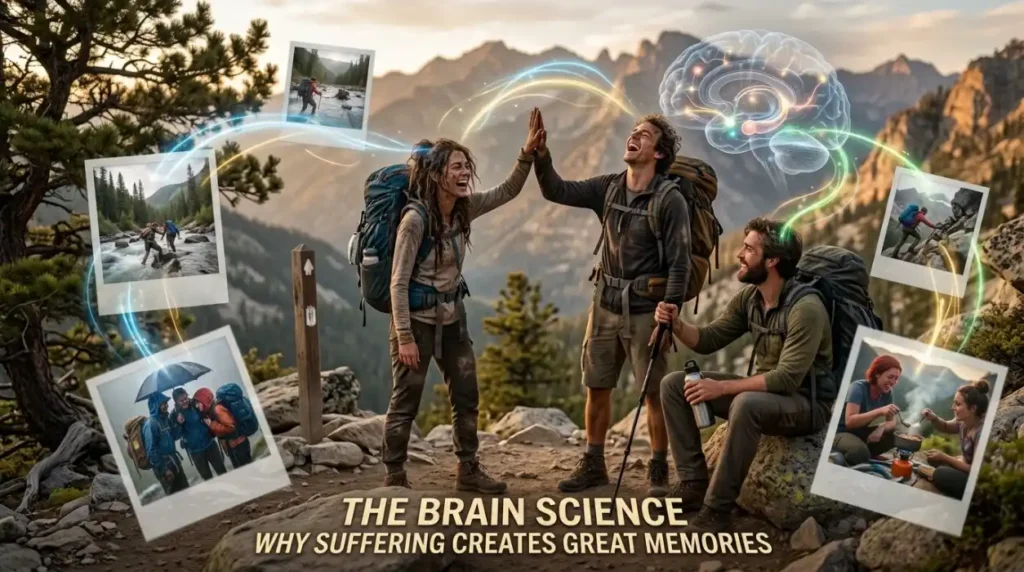
Why does our brain transform cold discomfort into warm nostalgia once we get home? Evolutionary biology and brain chemistry hold the fascinating answers to this paradox.
Dopamine Surges and Endorphin Highs
When your body undergoes intense physical strain, your brain releases powerful chemicals called endorphins to block pain signals.
Simultaneously, overcoming a difficult physical obstacle triggers a massive release of dopamine, the brain’s natural reward chemical. This biochemical cocktail creates an intense feeling of accomplishment that lingers long after your muscles stop aching.
The Rosy Retrospection Effect
Psychologists refer to our tendency to remember past events more fondly than we experienced them as “rosy retrospection.”
As time passes, your memory naturally fades the annoyance of wet socks, swarming mosquitoes, and heavy packs. What remains in your memory is the triumphant view from the ridge, the stunning sunset, and your inner strength.
Building Deep Social Bonds Through Shared Hardship
Enduring difficult conditions alongside outdoor partners creates a psychological phenomenon known as social bonding through adversity.
When you and a friend survive a freezing night in a leaky tent together, your shared vulnerability builds an unbreakable level of trust. These intense, shared struggles form the foundation of lifelong friendships.
Classic Outdoor Activities Packed with Type 2 Energy
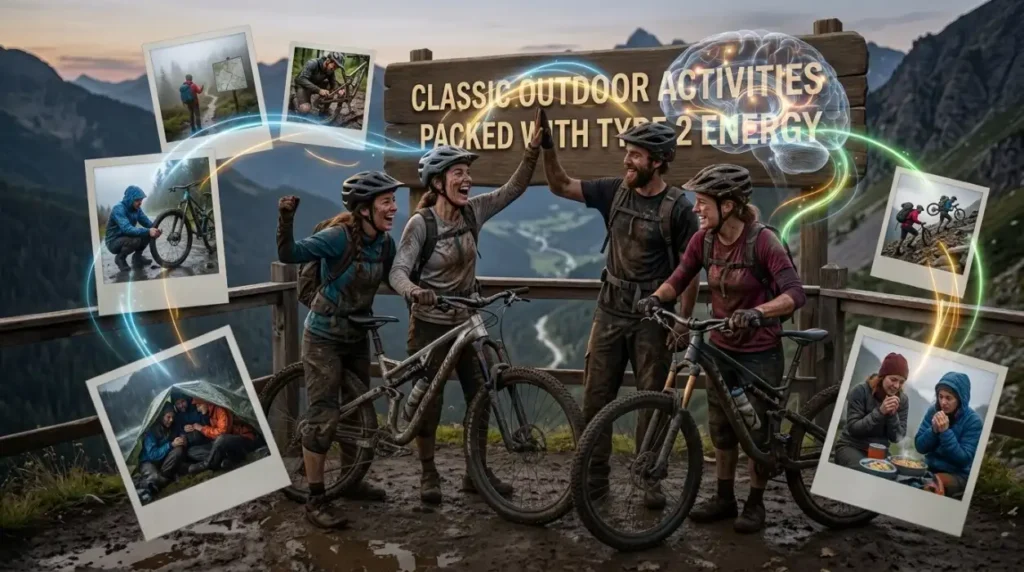
Certain sports and outdoor hobbies are famous for delivering generous helpings of delayed enjoyment.
High-Altitude Mountaineering and Alpine Climbing
Climbing high peaks requires waking up at two in the morning, putting on heavy boots, and ascending frozen glaciers in complete darkness.
Your lungs burn from thin air, your fingers feel frozen, and every step requires massive willpower. Yet, standing on top of a majestic summit makes every grueling step feel totally worth the effort.
Ultra-Marathons and Long-Distance Trail Running
Running 50 or 100 miles across rugged mountain trails pushes human endurance to its absolute physical limits.
Runners endure severe muscle cramps, blistered feet, and deep mental exhaustion for hours on end. Crossing the finish line brings an overwhelming rush of emotional pride that plain road running rarely matches.
Long-Distance Wilderness Thru-Hiking
Hike-camping across thousands of miles on trails like the Pacific Crest Trail or Appalachian Trail involves daily physical hardship.
Hikers spend months dealing with blistered toes, sudden rainstorms, heavy packs, and endless dried meals. Despite the daily grind, thru-hikers consistently describe these journeys as life-changing highlights of their existence.
Comparing the Three Types of Outdoor Fun
Understanding how different activities land on the fun scale helps you plan trips that match your current mood and fitness level.
How to Prepare Your Mind for Hardship
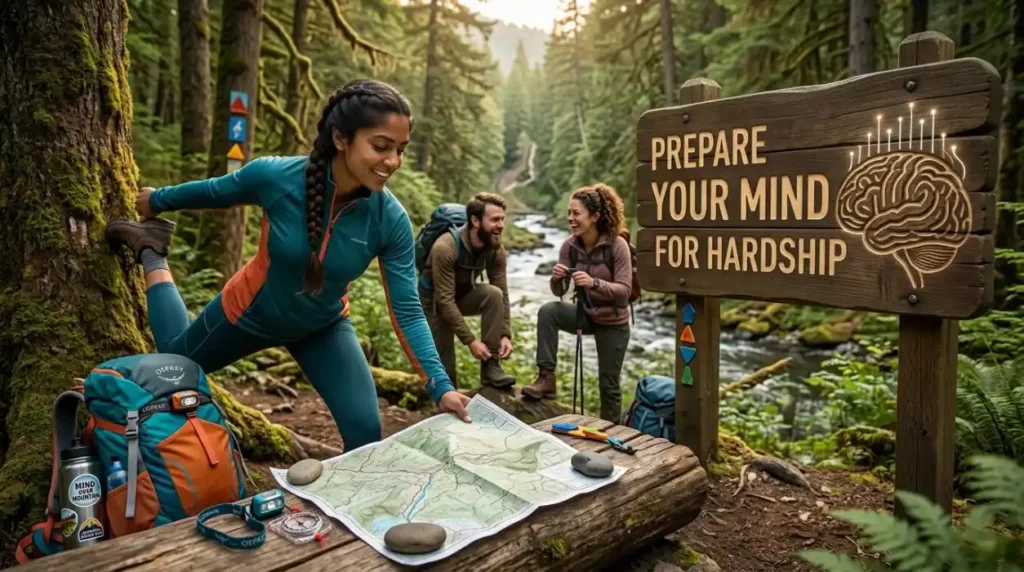
Stepping into a challenging adventure requires deliberate mental preparation alongside physical fitness. Training your mind to handle discomfort prevents panic when conditions turn tough.
Cultivating a Flexible Growth Mindset
Expectations dictate your emotional reactions when unexpected problems arise on the trail. If you expect a trip to be effortless, a sudden rainstorm feels like a terrible disaster.
If you head out expecting cold wind, muddy paths, and steep climbs, your mind stays calm when those challenges appear. Embracing discomfort as part of the planned experience keeps your morale remarkably high.
The Power of Micro-Goals
When facing a ten-hour climb up a mountain face, thinking about the entire distance can feel overwhelming.
Break the journey down into tiny, manageable goals. Focus solely on reaching that big pine tree 100 yards ahead, or taking 50 steady steps before taking a breath. Small victories stack up quickly.
Reframing Negative Situations with Humor
Humor is one of the most effective psychological coping mechanisms during outdoor hardships.
Laughing at a dropped sandwich, a muddy slip, or a sudden downpour diffuses tension instantly. Finding humor in messy moments keeps group spirits high and stops minor inconveniences from turning into arguments.
Safety Guidelines: Keeping Type 2 Fun from Becoming Type 3
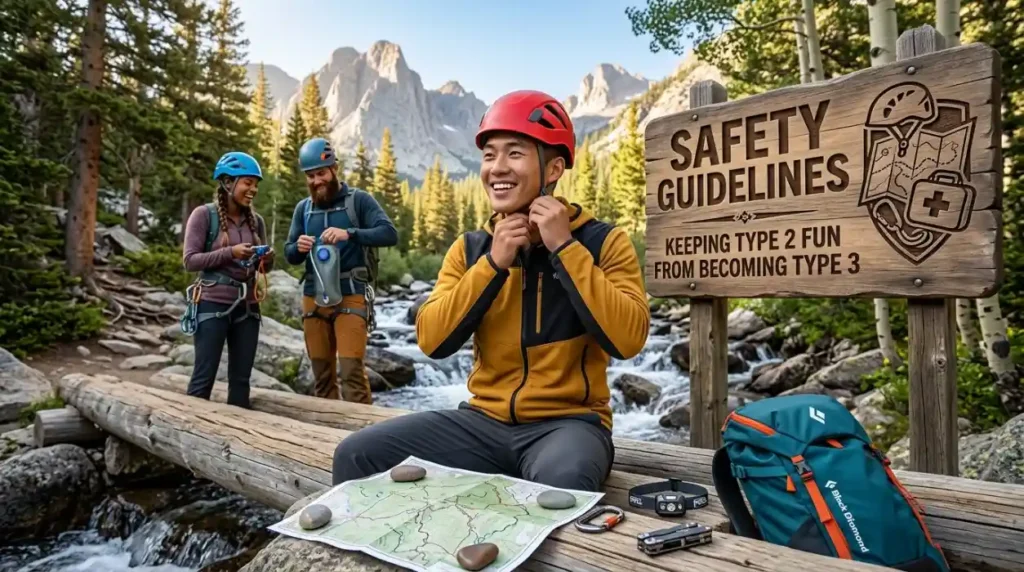
The boundary separating a rewarding challenge from a dangerous emergency can thin quickly if you ignore warning signs. Staying safe requires crisp judgment and humble decision-making.
The Importance of Turning Around Early
Pushing through physical discomfort is great, but ignoring objective danger is reckless. Rising avalanche risks, severe lightning storms, or signs of hypothermia demand an immediate retreat.
Turning back before reaching a summit is never a failure; it ensures you live to plan another exciting trip tomorrow.
Packing Essential Survival Gear
Carrying proper clothing layers, extra food, reliable navigation tools, and first-aid gear provides a crucial safety net.
Proper equipment keeps a cold, rainy evening within the realm of a memorable challenge rather than a life-threatening disaster.
- Layered Clothing: Synthetic or wool base layers keep skin dry even when sweating.
- Navigation Tools: Carry a physical map and compass alongside GPS devices.
- Emergency Shelter: Lightweight space blankets or bivvy sacks provide lifesaving warmth.
Practice Exercise
Test your understanding of the fun scale, brain chemistry, and outdoor safety with these 5 multiple-choice questions.
- What defines a classic Type 2 fun experience?
A. Instant relaxation and effortless luxury while relaxing on a warm beach.
B. Discomfort or exhaustion during the activity that turns into a great memory later.
C. Severe physical danger that results in emergency medical rescue operations.
D. Complete boredom caused by lack of physical movement or environmental stimulation. - Which brain chemical is released during intense exercise to block pain signals and boost mood?
A. Melatonin
B. Endorphins
C. Insulin
D. Cortisol - What psychological concept describes our tendency to remember past events more fondly over time?
A. Confirmation bias
B. Rosy retrospection
C. Cognitive dissonance
D. Emotional detachment - Why is setting realistic expectations before a difficult hike important?
A. It eliminates the need to carry water or emergency medical supplies.
B. It automatically prevents unexpected weather changes on the mountain.
C. It keeps your mind calm and resilient when uncomfortable conditions happen.
D. It guarantees that you will never experience muscle fatigue or blister pain. - What action should an outdoor group take if severe lightning approaches a mountain ridge?
A. Continue climbing rapidly toward the highest peak to finish early.
B. Immediately retreat to lower, safer ground to avoid dangerous lightning strikes.
C. Set up a metallic tent on top of the open ridge line.
D. Stop moving completely and wait hours on the exposed summit.
Answer Key:
- B
- B
- B
- C
- B
FAQs
What is the origin of the three types of fun scale?
The concept originated among outdoor enthusiasts, mountaineers, and educators in the late 20th century. It gained widespread popularity through outdoor writing and storytelling, serving as a humorous way to categorize backcountry suffering and epic adventures.
Can beginners enjoy Type 2 fun activities safely?
Yes, beginners can enjoy challenging activities safely by starting with modest physical goals. Choosing shorter steep hikes or beginner winter camping trips lets you experience delayed gratification without exposing yourself to severe wilderness hazards.
How do you know when Type 2 fun is turning into dangerous Type 3 fun?
Type 2 fun involves manageable physical fatigue, cold fingers, or mental stress. It turns into dangerous Type 3 fun when objective hazards like hypothermia, severe injury, or catastrophic weather threaten physical safety.
Why do people voluntarily seek out uncomfortable outdoor experiences?
People seek out tough outdoor challenges to test their limits, break away from daily routines, and build deep confidence. Overcoming real physical obstacles provides a profound sense of purpose that easy daily comfort cannot match.
Is Type 2 fun limited only to outdoor sports?
No, delayed enjoyment occurs in many life areas like learning complex instruments, completing grueling academic degrees, or running intense business projects. Any meaningful challenge that feels tough during the process but rewarding afterward qualifies.
How can I help a struggling partner during a tough outdoor trip?
Offer clear encouragement, share high-energy snacks, maintain a calm, positive attitude, and break down remaining distances into small steps. Validating their effort while keeping a sense of humor prevents anxiety and keeps spirits up.
Conclusion
Embracing the wild world of fun type 2 adventures teaches us that the most rewarding moments in life rarely come from easy, comfortable paths. By pushing through sore muscles, cold rain, and steep climbs, you discover a deep reservoir of personal strength you never knew existed.
These grueling moments transform into your proudest achievements, your funniest stories, and the foundation of your strongest friendships.
Pack your gear, pick an exciting challenge, and set out to create unforgettable memories today.

Jack Olive is the creative mind behind buzzgiggles.com, a fun-focused website built to bring smiles, laughter, and lighthearted entertainment to everyday life. With a passion for humor and enjoyable content, Jack Olive creates and shares playful ideas, amusing stories, entertaining discoveries, and cheerful moments designed for readers of all kinds.
Through buzzgiggles.com, Jack Olive combines creativity, curiosity, and a positive sense of humor to explore the lighter side of life. Whether visitors are looking for a quick laugh, something interesting to share, or a cheerful break from their routine, the website offers content created with fun in mind. Jack Olive believes great entertainment should be easy to enjoy, memorable, and capable of brightening someone’s day.