
A fun-size chocolate bar is an individually wrapped, mini-portion candy bar weighing between 15 and 25 grams. Designed for easy sharing, portion control, and seasonal gifting, fun-size chocolate provides the exact flavor profile and texture of a full-size bar in a convenient, bite-sized treat.
Have you ever unhitched a tiny wrapper, popped a mini candy treat into your mouth, and wondered how these bite-sized sweets became a household staple? Snacking on a fun-size chocolate bar offers all the rich cocoa satisfaction of a full-size treat with perfect portion convenience.
These iconic miniature bars dominate holiday candy bowls, birthday party favor bags, and movie night snack platters worldwide. Grabbing a piece of fun-size chocolate lets you indulge your sweet tooth without committing to a massive candy bar.
Understanding how mini candy portions developed reveals a fascinating story of smart confectionery engineering and clever marketing. The right fun-size chocolate treats bring huge smiles to kids and adults alike during every celebration.
Let’s explore the history, portion mechanics, baking tricks, and creative party uses for these beloved bite-sized sweets. Get ready to satisfy your chocolate curiosity!
The Origin Story: How Mini Candy Bars Were Born
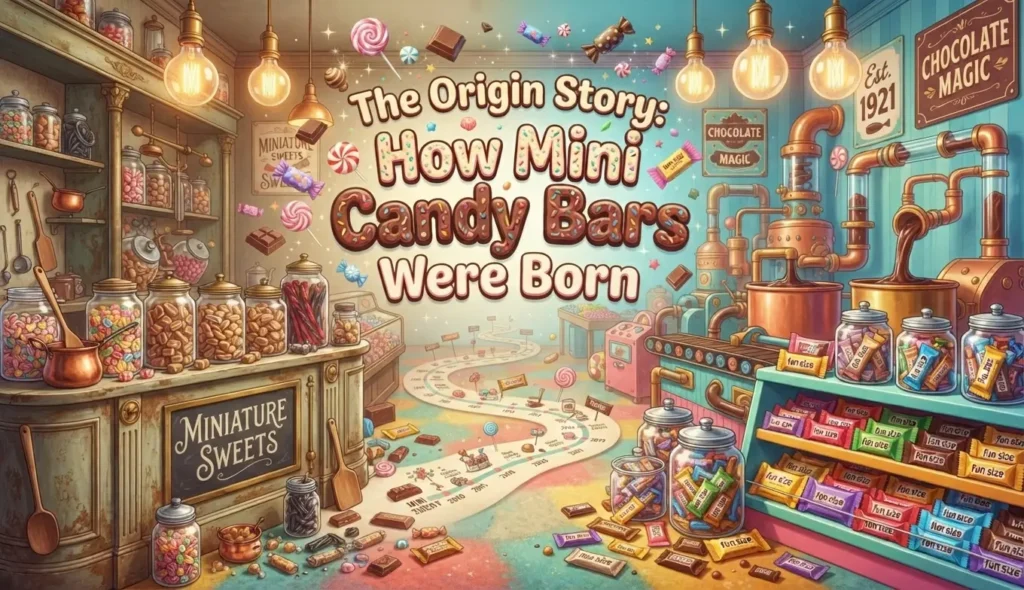
Miniature candy bars seem like they have been around forever, but they were actually invented during a clever marketing shift in the mid-twentieth century. Confectionery companies wanted a way to offer variety while appealing to budget-conscious shoppers.
Understanding their historical roots helps explain why miniature chocolates became an essential part of global snack culture.
The Evolution from Full-Size Bars to Miniature Treats
Before the late 1950s, candy manufacturers primarily sold full-size bars weighing several ounces each. Buying multiple full-size bars for large family gatherings or neighborhood events was often too expensive for everyday shoppers.
To solve this problem, candy makers modified their production lines to mold smaller, bite-sized portions. These new mini bars allowed consumers to buy large variety bags containing dozens of individually wrapped treats at an affordable price.
Why Manufacturers Named Them “Fun Size”
The term was coined by major candy companies in August 1968 to rebrand smaller portions as exciting, positive consumer choices. Rather than calling them “small” or “miniature,” marketers realized that calling them fun created a playful, party-friendly image.
The rebrand was an instant commercial success. Today, millions of households buy variety bags of fun-size chocolate bars every autumn for Halloween trick-or-treaters and festive gatherings.
- 1950s: Miniatures emerge as simple bulk economy items in plain wrappers.
- 1968: Mars officially trademarks the phrase to promote smaller snack sizes.
- 1970s: Variety bags containing mixed chocolate brands become standard grocery items.
- Modern Era: Eco-friendly wrappers and seasonal shapes expand the mini candy market.
The Difference Between Fun Size and Bite Size
Shoppers often confuse miniature candy terminology when browsing the candy aisle. While both formats are small, subtle differences in weight and packaging separate them.
Fun size bars typically measure around two inches long and weigh between 15 and 25 grams. Bite-sized or “mini” pieces are usually small square blocks weighing under 10 grams, often wrapped in simple foil twists.
The Science of Portioning: Weight, Calories, and Satisfying Cravings

One of the biggest advantages of miniature candy bars is built-in portion management. Having pre-measured treats in your pantry lets you enjoy sweet rewards while keeping daily calorie goals on track.
Let’s look at how mini portions stack up against full-sized options.
Comparing Weight and Calorie Counts
A standard full-size chocolate bar typically contains between 210 and 280 calories, depending on filling ingredients like nuts, caramel, or crisp rice. In contrast, a single fun-size chocolate bar generally contains between 60 and 90 calories.
Eating two mini pieces satisfies your cocoa craving for under 150 calories. This built-in limit prevents mindless overeating straight from an open full-sized wrapper.
Mindful Snacking and the Psychology of Miniatures
Psychologists have found that unwrapping individual food wrappers creates a visual speed bump during snacking. The physical action of opening a wrapper forces you to pause and make a conscious choice before eating another piece.
Additionally, our brains process a whole mini bar as a complete, satisfying treat experience. Eating one small bar feels far more rewarding than taking a single bite off a massive slab of chocolate.
Creative Baking Hacks Using Mini Chocolate Bars
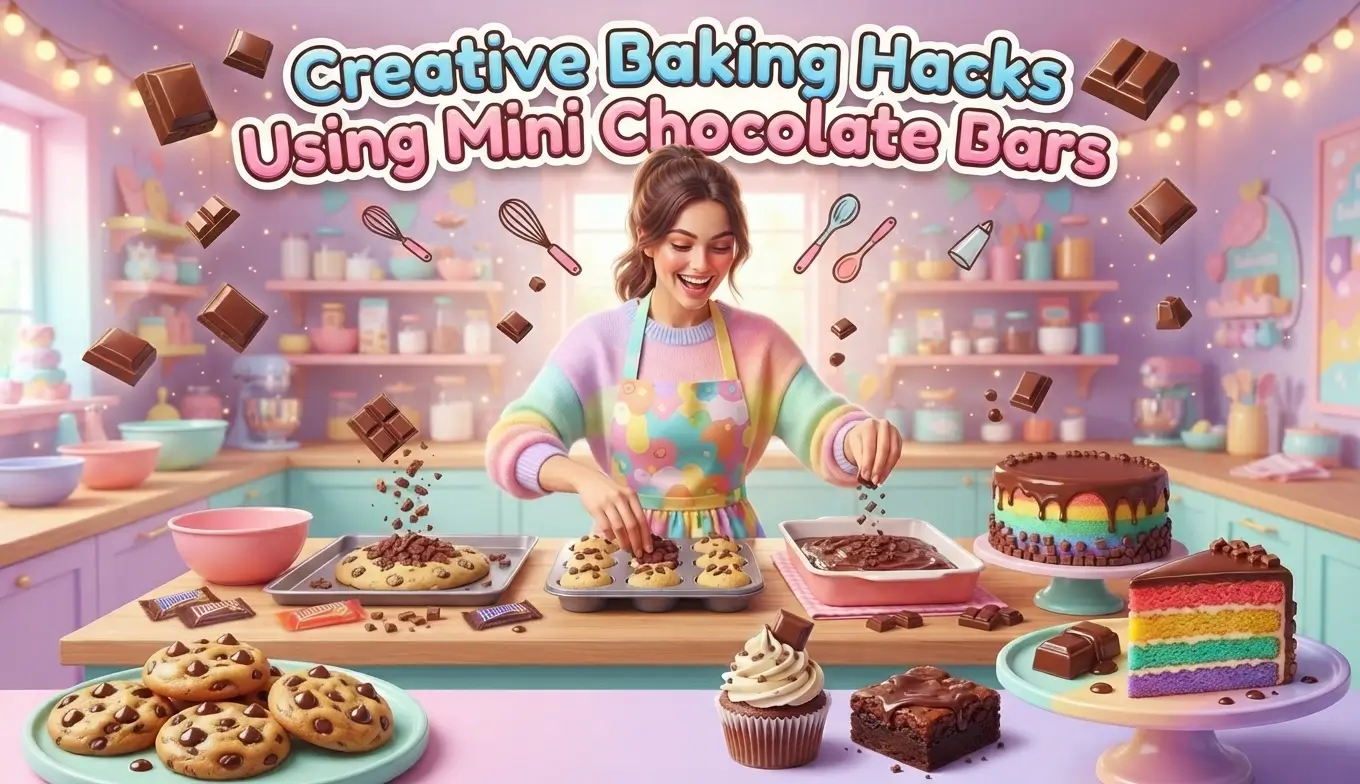
Miniature candy bars are not just for snacking straight out of the bag. They make incredible, melt-in-your-mouth ingredients for home baking and dessert recipes.
Upgrading your classic home recipes with fun-size chocolate pieces adds exciting flavor pockets to everyday baked goods.
Stuffed Chocolate Chip Cookies
Instead of using ordinary chocolate chips, use a mini candy bar as a surprise center for homemade cookies. Wrap your standard cookie dough completely around a mini caramel or peanut butter bar before baking.
When the cookies come fresh out of the oven, biting into the center reveals a warm, gooey, melted core. This simple trick instantly turns standard cookies into bakery-quality gourmet treats.
Candy Bar Brownie Trays
Before sliding your brownie batter into the oven, press a grid of miniature chocolate bars directly into the wet top layer. As the brownies bake, the candy bars melt into the batter, creating rich, marbled flavor swirls.
You can mix different chocolate styles across the tray to give every slice a unique filling texture. This is a brilliant way to use up leftover holiday candy bags.
- Peanut Butter Bars: Adds a creamy, salty-sweet contrast to dark chocolate brownie batter.
- Caramel Nougat Bars: Creates stretchy, chewy ribbons of caramel throughout the baked tray.
- Crisp Wafer Bars: Adds a surprising crispy texture beneath soft cake layers.
- Coconut Chocolate Bars: Imparts a tropical aroma and chewy texture to blondie squares.
Quick Party Trail Mixes
Combine chopped mini candy bars with salted pretzels, roasted peanuts, and dried fruit to build a custom party trail mix. The salty elements balance out the sweet chocolate, creating a crowd-pleasing snack bowl for game nights.
Keep the mix stored in an airtight glass jar in a cool pantry to prevent the chocolate pieces from sticking together.
How to Organize and Store Your Candy Stash
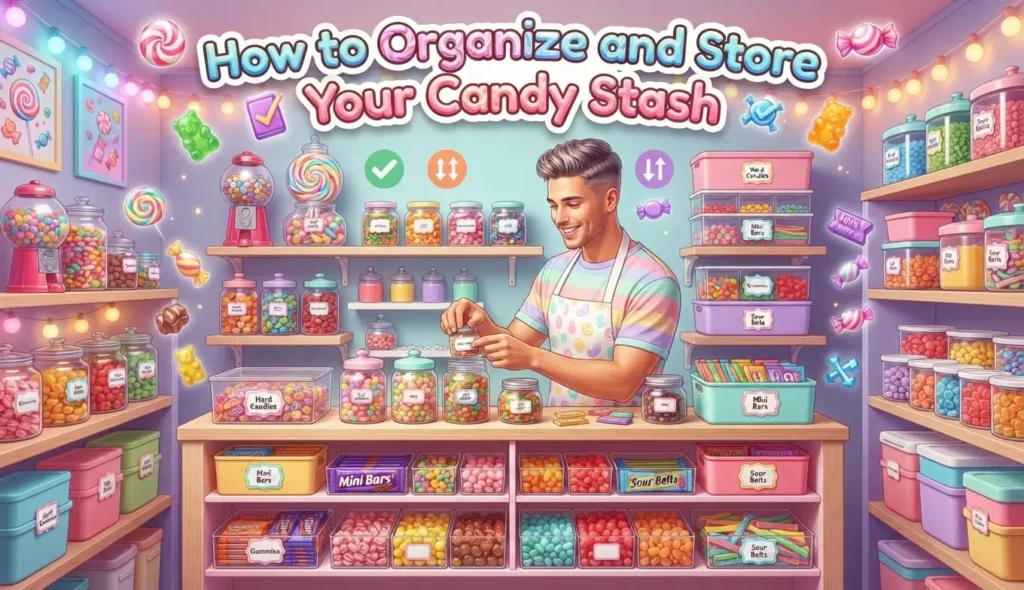
Storing chocolate properly ensures that every mini bar stays fresh, snappy, and delicious for months. Improper storage causes chocolate to melt, lose flavor, or develop unsightly white surface spots.
Follow these practical storage guidelines to keep your mini treats in prime condition.
Preventing Chocolate Bloom
Have you ever opened a candy bar and found a powdery white coating on the surface? This phenomenon is known as fat or sugar bloom, caused by sudden temperature changes.
Bloom occurs when cocoa butter melts, rises to the surface, and recrystallizes as the chocolate cools. While bloomed chocolate remains completely safe to eat, it can alter the texture and look unappealing.
Ideal Temperature and Humidity Control
Store your miniature chocolate stash in a cool, dark cabinet kept between 60°F and 70°F (15°C to 21°C). Keep relative humidity below 55% to prevent moisture from dissolving surface sugars.
Avoid storing chocolate in the refrigerator unless your home lacks air conditioning during hot summer months. Cold fridge environments trap humidity inside wrappers, causing condensation that ruins the chocolate’s silky texture.
Hosting DIY Dessert Bars and Party Favor Stations
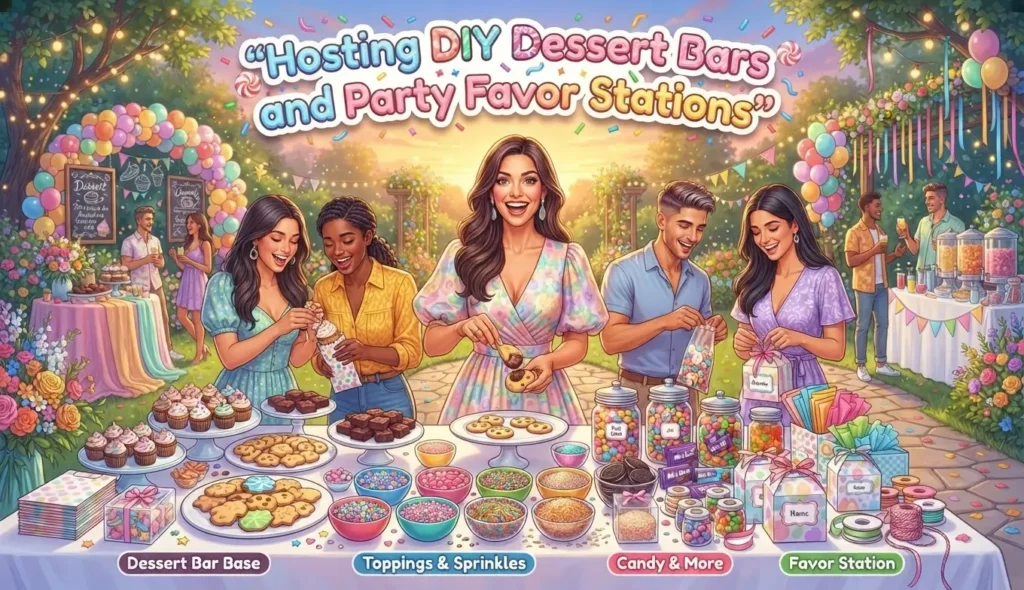
Miniature treats are the ultimate secret weapon for party hosts looking to entertain guests on a budget. Their uniform sizing and individual wrappers make them hygienic and easy to display on dessert tables.
Here are fun ways to feature mini chocolates at your next gathering.
Interactive Ice Cream Sundae Buffets
Set out bowls of vanilla ice cream alongside small dishes filled with chopped fun-size chocolate bars. Guests can mix and match their favorite candy toppings to build personalized sundae bowls.
Chopping the mini bars into bite-sized chunks lets guests layer different textures like crunchy wafers, chewy caramel, and smooth fudge over their scoops.
Customized Party Favor Bags
Create personalized favor bags for birthday guests, baby showers, or holiday parties using clear cellophane bags. Fill each pouch with a colorful assortment of miniature chocolate bars paired with custom printed gift tags.
This approach lets guests take home a sweet keepsake without requiring expensive custom catering. Plus, sealed individual wrappers keep everything fresh and clean.
Practice Exercise
Test your knowledge of miniature candy history, portion control, and baking hacks with these 5 multiple-choice questions.
- In what decade did candy manufacturers officially start using the term “fun size”?
A. 1930s
B. 1968
C. 1995
D. 2010 - What is the average weight range of a standard fun size chocolate bar?
A. 2 to 5 grams
B. 15 to 25 grams
C. 50 to 75 grams
D. 100 to 150 grams - How does unwrapping individual miniature wrappers help encourage mindful eating?
A. It changes the chemical flavor of the chocolate.
B. It creates a physical pause that forces a conscious decision before eating more.
C. It doubles the calorie count of the candy.
D. It prevents the chocolate from melting in your hands completely. - What simple step prevents tissue or baking paper from sticking when cutting caramel-filled mini bars?
A. Freezing the candy bars for fifteen minutes before chopping
B. Boiling the candy bars in water
C. Coating the knife in powdered sugar
D. Washing the candy in cold soap - What causes the white powdery film known as “fat bloom” on stored chocolate?
A. Expiration of artificial color dyes
B. Rapid temperature changes causing cocoa butter to melt and recrystallize
C. Growth of harmless bread yeast on sugar
D. Exposure to direct fluorescent light
Answer Key:
- B
- B
- B
- A
- B
FAQs
How many fun-size chocolate bars equal a full-size bar?
Generally, three to four fun-size bars equal the total weight of one standard full-size candy bar. Because mini bars weigh around 18 grams and full-size bars weigh near 50 grams, three pieces deliver an equivalent serving.
Can I freeze fun-size chocolate bars for long-term storage?
Yes, you can safely freeze sealed mini chocolate bars for up to twelve months. Place the unopened bags inside an airtight freezer container to prevent outside freezer odors from absorbing into the cocoa butter.
Why do some seasonal mini bars have slightly different shapes?
Manufacturers use custom silicone molds during holidays to create festive seasonal shapes like pumpkin, egg, or tree outlines. These molded shapes often feature a higher ratio of filling to outer chocolate shell than traditional rectangular bars.
Are miniature candy bars gluten-free?
Gluten content depends entirely on the specific brand ingredients and facility manufacturing processes. Plain milk chocolate mini bars are often gluten-free, but crisp wafer or malted filling bars contain wheat gluten. Always check package labels.
What is the best way to melt mini chocolate bars for fondue?
Chop the mini bars finely and melt them slowly using a double boiler over gentle steam. Adding a teaspoon of coconut oil or heavy cream ensures smooth, glossy melted dipping chocolate without burning.
Do fun-size chocolate bars expire quickly?
Most milk chocolate mini bars maintain peak flavor for ten to twelve months when stored in a cool pantry. Dark chocolate versions can last up to two years due to higher natural antioxidant levels in raw cocoa.
Conclusion
Incorporating a fun-size chocolate treat into your daily routine offers the perfect balance of rich confectionery flavor and smart portion control. From historical mid-century marketing origins to modern holiday dessert buffets, these bite-sized sweets continue to bring joy to snackers worldwide.
Whether you are baking stuffed surprise cookies, organizing a party stash, or enjoying a mid-afternoon treat, mini bars deliver huge satisfaction. Keeping a variety bag in your pantry ensures you are always ready for unexpected guests or sweet cravings.
Grab a couple of your favorite mini bars, try out a creative baking recipe, and enjoy a delicious moment of sweet relaxation today!

Jack Olive is the creative mind behind buzzgiggles.com, a fun-focused website built to bring smiles, laughter, and lighthearted entertainment to everyday life. With a passion for humor and enjoyable content, Jack Olive creates and shares playful ideas, amusing stories, entertaining discoveries, and cheerful moments designed for readers of all kinds.
Through buzzgiggles.com, Jack Olive combines creativity, curiosity, and a positive sense of humor to explore the lighter side of life. Whether visitors are looking for a quick laugh, something interesting to share, or a cheerful break from their routine, the website offers content created with fun in mind. Jack Olive believes great entertainment should be easy to enjoy, memorable, and capable of brightening someone’s day.