
A fun sucker refers either to a playful slang term for a person who ruins enjoyable moments or to classic, long-lasting lollipop candies designed for slow, sweet enjoyment. Understanding how to navigate party buzzkills while enjoying vintage confectionery helps keep social gatherings lively, balanced, and delicious for everyone involved.
Have you ever been at a lively party when someone suddenly complained about the background music and ruined the great mood? Calling that mood killer a fun sucker is a lighthearted way to describe someone who drains the joy out of a room.
On a sweeter note, candy lovers also use fun sucker to describe classic, long-lasting lollipops that deliver delicious fruit flavor.
Learning how to handle a conversational fun sucker helps you protect your positive energy during social events and work hangouts.
Ready to explore how a fun sucker shapes modern slang, party etiquette, and nostalgic candy culture? Let’s check out behavioral tips, sweet confectionery traditions, and practical social hacks together!
What Does “Fun Sucker” Mean in Modern Social Slang?
Language evolves quickly, turning everyday visual concepts into catchy phrases that describe relatable human behaviors. In modern casual conversation, calling someone a joy stealer or mood killer is a quick way to point out negativity.
Understanding where this phrase comes from helps you spot buzzkill habits in your own daily routines.
It also provides a lighthearted vocabulary to address awkward social dynamics without causing major arguments.
The Origins of Buzzkill Idioms in Popular Culture
Slang terms that describe negative people have existed for centuries, evolving from “wet blankets” in the nineteenth century to modern party poopers. Media shows, comedy sketches, and online meme culture popularized modern idioms to label overly rigid companions.
When someone constantly shoots down creative ideas, complains about minor details, or enforces strict rules during casual hangouts, friends playfully label them.
Recognizing these slang patterns allows groups to use humor to reset room energy gracefully.
Distinguishing Between Playful Teasing and Real Negativity
It is important to remember that not everyone who raises a concern is trying to ruin your good time. Sometimes a friend points out safety risks or budget limits because they care about the group’s well-being.
Playful teasing happens when someone jokingly calls out a friend for wanting to go to bed early during a slumber party.
Real negative behavior occurs when a person consistently criticizes others, rejects fun activities, and spreads toxic complaints without offering positive alternatives.
The Sweet Side: Lollipops and Nostalgic Confectionery
Beyond conversational slang, the term brings up fond memories of vintage hard candies and colorful novelty lollipops. Confectionery makers have designed hard candy on sticks for over a century to give children and adults long-lasting flavor experiences.
These sweet treats prove that simple ingredients can create iconic childhood traditions that last for generations.
Let’s look at how candy makers turn sugar syrup into irresistible handheld sweets.
Here is a quick summary comparing popular lollipop types, flavor profiles, and typical enjoyment times.
The Science of Hard Candy Manufacturing
Creating a smooth, long-lasting hard candy requires precise temperature control and sugar chemistry inside commercial kitchens. Confectioners boil water, granulated sugar, and corn syrup together until the mixture reaches the hard-crack stage at 300 degrees Fahrenheit.
At this extreme heat, almost all water content evaporates, leaving behind a thick molten syrup that hardens into glass-like candy as it cools.
Flavor oils and vibrant food colorings are folded into the hot mixture right before pouring it into silicone lollipop molds.
Why Hard Candies Provide Sustained Energy
Unlike soft chocolates that melt quickly in your mouth, hard candy lollipops dissolve slowly as you lick them. This slow dissolution rate releases small amounts of sucrose over ten to fifteen minutes, providing a steady stream of sweet flavor.
The sensory experience of tasting sweet fruit flavors triggers tiny dopamine releases in your brain, boosting your mood instantly.
It makes keeping a few fruit lollipops in your desk drawer a sweet way to overcome mid-afternoon work fatigue.
How to Handle a Mood Killer in Social Settings
We have all found ourselves stuck in conversations with people who seem determined to focus on the negative side of every situation. Learning how to manage these social interactions gracefully keeps your positive energy intact without starting unnecessary drama.
Appreciating subtle social cues allows you to guide conversations back toward fun, uplifting topics effortlessly.
Here are four practical strategies to deal with pessimistic companions at events.
1. The Gentle Topic Pivot Technique
When a negative person starts complaining about the venue, the weather, or the food, acknowledge their comment briefly without dwelling on it. Immediately transition the conversation toward a completely neutral or positive topic with a smooth follow-up question.
For instance, if someone complains about the music volume, say, “It is pretty lively tonight! By the way, have you tried those delicious appetizers on the main table?”
Pivoting shifts focus away from complaints before negative energy drags down the rest of the group.
2. Setting Playful Boundaries with Humor
Humor is a brilliant tool for defusing awkward moments and signaling that complaints are unhelpful. If a friend shoots down three activity suggestions in a row, use lighthearted humor to point out their picky mood.
Saying something playful like, “Alright Captain Buzzkill, what super fun activity meets your high standards tonight?” calls out the pattern with a smile.
It encourages the person to reflect on their attitude without making them feel defensive or attacked.
3. Validating Concerns While Redirecting Action
Sometimes people complain because they feel ignored, tired, or overwhelmed by loud environments. Validating their underlying emotion demonstrates empathy while keeping the overall event momentum moving forward smoothly.
Try saying, “I hear you; it has been a long week! Why don’t you grab a quiet seat on the patio while we finish this quick game?”
This gives them a comfortable out while allowing the rest of the group to continue enjoying the activity.
Self-Reflection: Are You Accidentally Ruining the Vibe?
It is easy to spot negative behavior in other people, but self-awareness requires looking honestly at our own social habits. Most people do not intend to be a mood killer, yet stress, fatigue, or cynicism can cause us to act like one without realizing it.
Reflecting on your recent social interactions helps you build stronger, more joyous relationships with peers.
Here are three common signs that you might be bringing down the room’s energy accidentally.
1. You Constantly Play “Devil’s Advocate”
While debate has its place in serious business meetings, constantly picking apart creative ideas during casual hangouts drains enthusiasm quickly. If a friend excitedly proposes a spontaneous weekend road trip, pointing out traffic and gas prices immediately kills their joy.
Try adopting a “Yes, and…” mindset instead, building on their excitement before working through practical logistics together later.
Supporting your friends’ enthusiasm builds trust and keeps social energy high.
2. You Correct Harmless Facts mid-Story
Interrupting a friend’s funny story to correct a minor detail, like stating an event happened on Tuesday instead of Wednesday, derails their comedic delivery. Unless the factual detail completely changes the story’s meaning, let minor inaccuracies slide.
Focus on the emotion, humor, and connection of the narrative rather than acting like a strict fact-checker.
Your friends will appreciate your engaged listening far more than your precise memory.
Building a Culture of Positivity and Playfulness
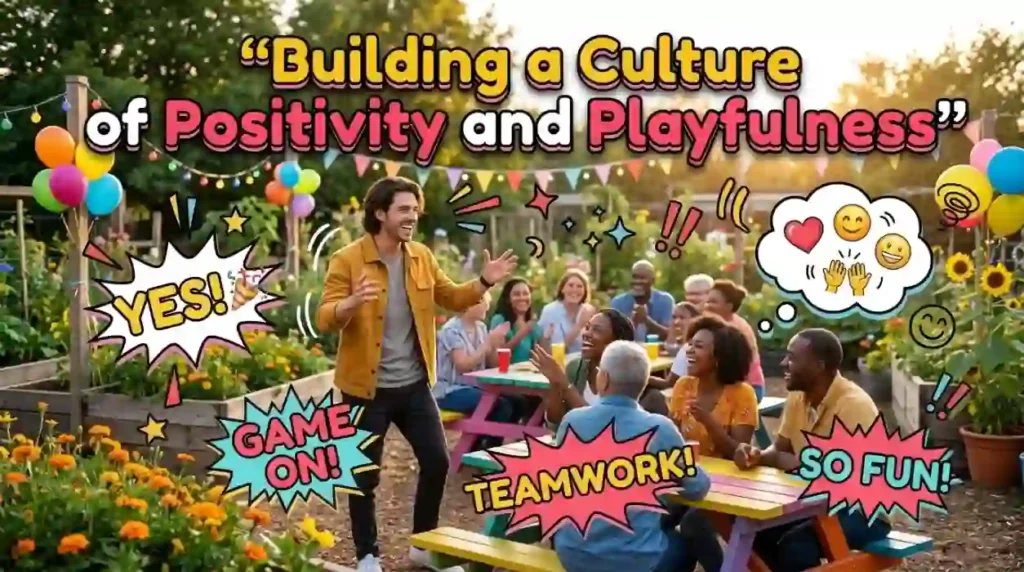
Creating environments where laughter and creativity thrive requires intentional effort from everyone in a group. Whether you are organizing workplace team-building days or hosting family weekend game nights, fostering positivity transforms relationships.
Encouraging open play, silly jokes, and lighthearted games keeps negative attitudes far away from your inner circle.
Let’s look at simple daily habits that cultivate high social energy wherever you go.
Celebrating Small Wins and Silly Moments
Groups that laugh together stay resilient during challenging times, building lasting bonds that withstand daily stress. Make a conscious habit of celebrating small achievements, silly mistakes, and quirky inside jokes with your peers.
Handing out colorful fruit lollipops as funny trophies for winning living room board games adds playful charm to casual nights.
Small gestures of joy create a warm, welcoming environment where everyone feels appreciated.
Choosing Enthusiasm Over Cynicism
Cynicism often feels like an easy intellectual shield, but genuine enthusiasm takes courage and radiates magnetic warmth. Choosing to be excited about simple pleasures like trying a new dessert, playing a yard game, or listening to classic tunes inspires others to let their guard down.
When you bring high positive energy to a room, you naturally push negative vibes out of the space.
Be the person who lights up the room with enthusiasm rather than the person who dampens it.
Practice Exercise
Test your understanding of social slang, hard candy science, behavioral pivots, and self-reflection with this quick five-question multiple-choice quiz.
- What does the slang term “fun sucker” describe in casual social conversations?
A. A professional circus performer who swallows fire
B. A person who drains joy out of a room through constant complaints or negativity
C. A specialized industrial vacuum cleaner for cleaning carpets
D. An athletic referee who enforces official sports rules - At what boiling temperature range does liquid sugar syrup reach the “hard-crack” stage for making lollipops?
A. 100 degrees Fahrenheit
B. 300 degrees Fahrenheit
C. 500 degrees Fahrenheit
D. 1,000 degrees Fahrenheit - What is a recommended social strategy for redirecting a negative conversation topic at a party?
A. Yelling at the person until they leave the room
B. Using the topic pivot technique to acknowledge the comment briefly and shift to a positive topic
C. Sitting on the floor and ignoring everyone completely
D. Turning off all the lights in the house - Why does licking a hard candy lollipop provide a sustained, long-lasting flavor experience?
A. Because hard candy dissolves slowly in your mouth, releasing small amounts of sugar over time
B. Because lollipops are made of solid rubber materials
C. Because your teeth freeze the candy instantly
D. Because lollipops absorb all moisture from your body - What simple mindset shift helps prevent you from accidentally acting like a social buzzkill during creative brainstorming?
A. Saying “No, that will never work” to every suggestion
B. Adopting a supportive “Yes, and…” attitude that builds on ideas before picking apart details
C. Leaving the room without telling anyone where you went
D. Correcting every grammar mistake your friends make out loud
Answer Key:
- B
- B
- B
- A
- B
FAQs
Is calling someone a fun sucker considered a harsh insult?
No, calling someone a fun sucker is generally considered a lighthearted, playful piece of slang rather than a cruel personal attack. However, tone of voice matters greatly, so use it with warm humor rather than anger when chatting with friends.
How can I keep hard candy lollipops fresh for a long time?
Store your lollipops in a cool, dry pantry inside airtight containers away from high humidity and direct sunlight. Moisture causes hard candy surfaces to absorb water from the air, becoming sticky and losing their crisp,p glass-like texture.
What should I do if a coworker is a constant mood killer at office meetings?
Maintain professional boundaries by listening politely without agreeing with or expanding on their negative complaints. Redirect discussions back toward project solutions, actionable steps, and positive team goals to keep workplace momentum productive and upbeat.
Why do sour coating powders make hard candy lollipops taste so intense?
Sour coatings use food-grade organic acids like citric acid and malic acid that trigger sour taste receptors on your tongue instantly. Once the outer sour coating dissolves, your palate reaches the sweet sugar candy beneath, creating a fun flavor contrast.
How can I encourage an introverted friend to participate in party games without overwhelming them?
Offer low-pressure, opt-in roles such as scorekeeper, DJ, or team judge so they can participate without feeling put on the spot. Respect their comfort levels, provide quiet spaces to recharge, and never force anyone to join high-intensity games.
Conclusion
Navigating social dynamics involves balancing high-energy fun with empathy, while recognizing that nobody wants to be a fun sucker in their friend group. Whether you are defusing pessimistic party complaints or enjoying a sweet, nostalgic fruit lollipop, keeping things lighthearted is key.
Remember that positive energy is contagious, and choosing enthusiasm over cynicism makes every gathering more enjoyable.
Grab a colorful lollipop, bring your best positive vibe to your next social hangout, and keep the good times rolling!

Jack Olive is the creative mind behind buzzgiggles.com, a fun-focused website built to bring smiles, laughter, and lighthearted entertainment to everyday life. With a passion for humor and enjoyable content, Jack Olive creates and shares playful ideas, amusing stories, entertaining discoveries, and cheerful moments designed for readers of all kinds.
Through buzzgiggles.com, Jack Olive combines creativity, curiosity, and a positive sense of humor to explore the lighter side of life. Whether visitors are looking for a quick laugh, something interesting to share, or a cheerful break from their routine, the website offers content created with fun in mind. Jack Olive believes great entertainment should be easy to enjoy, memorable, and capable of brightening someone’s day.