
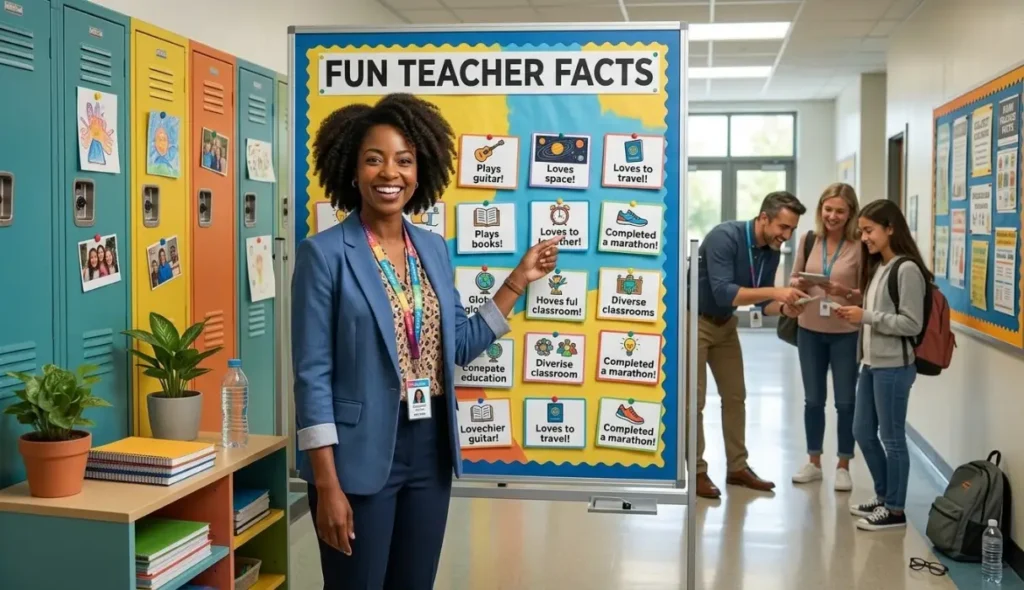
Fun teacher facts are entertaining, surprising, and educational trivia bits about educators throughout history and modern classroom life. They include historical origins—like why apples are given to teachers—alongside surprising stats on daily grading, coffee consumption, and creative icebreakers that bring teachers and students closer together.
Did you know that students in 19th-century frontier towns gave red apples to educators simply to help pay for their poor salaries? Uncovering fun teacher facts gives us a whole new appreciation for the people who guide our classrooms every day.
Whether you are a student looking for a great icebreaker or an educator needing trivia for staff meetings, fun teacher facts add instant entertainment to learning spaces.
Exploring these trivia bits reveals how much teaching has changed over centuries while staying rooted in dedication. Learning fun teacher facts helps bridge the gap between students and educators, showing the human side behind every lesson plan.
Let’s explore amazing historical origins, daily classroom secrets, famous historical icons who taught, and creative ways to use trivia in your school community.
The Fascinating History Behind Popular Teaching Traditions
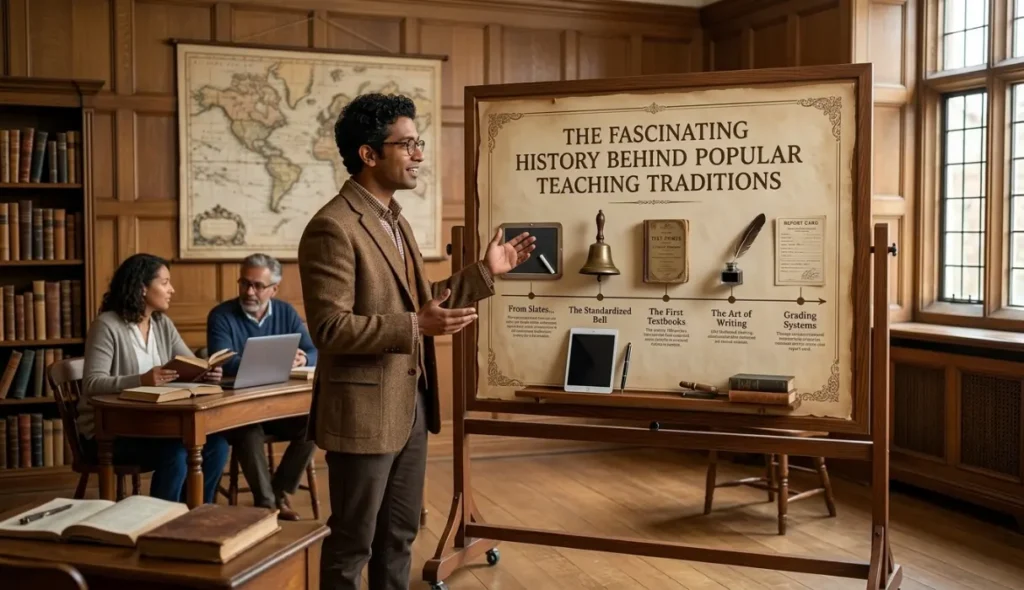
Many daily habits we associate with schoolrooms started centuries ago out of necessity or survival. Understanding where these customs came from turns ordinary objects on a teacher’s desk into historical treasures.
These traditional roots show how deep the bond between communities and educators has always run.
Why Do Students Give Apples to Teachers?
During the 18th and 19th centuries on the American frontier, poor farming families could rarely afford to pay teachers with actual money. Instead, parents paid educators with housing, homegrown crops, and fresh apples harvested during the autumn season.
Apples were considered a nutritious treat, and wiping one clean before placing it on the desk became a gesture of respect and goodwill.
The Origin of Blackboard Chalk and Slate
Before large blackboards existed, students carried small handheld slate stones to write down their daily lessons and practice arithmetic. In 1801, a Scottish headmaster named James Pillans hung giant slabs of slate on his classroom wall so all students could read the same lesson at once.
This invention revolutionized group instruction, allowing teachers to demonstrate complex mathematical equations to an entire room simultaneously.
- Frontier Payment: Apples were widely used as currency because fresh fruit was valuable and easy to store during cold winters.
- Chalk Discovery: Natural chalk made from calcium carbonate was soft enough to mark slate without scratching the surface.
- The Red Pen Tradition: Red ink became popular for grading because it contrasted sharply against black graphite pencil lead.
- Summer Vacation Origins: Extended summer breaks originally allowed children to help their families tend farm crops during peak growing seasons.
Surprising Historical Figures Who Were Once Teachers
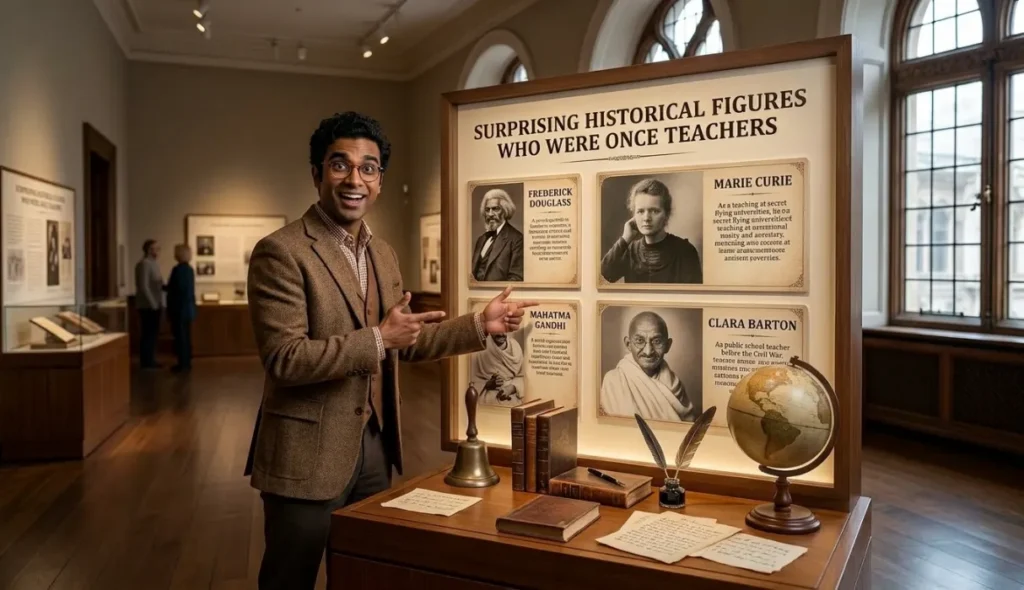
Before they made world history as politicians, inventors, or authors, many famous leaders earned their living at the front of a chalkboard. Teaching helped these iconic figures develop deep patience, strong public speaking skills, and sharp problem-solving abilities.
Here are a few famous historical icons who worked in education before gaining worldwide fame.
Presidents and World Leaders in the Classroom
Before becoming the 36th President of the United States, Lyndon B. Johnson taught elementary school in Cotulla, Texas, serving underprivileged children. He used his own salary to buy athletic equipment and toothpaste for his students, cementing his lifelong commitment to educational equality.
Similarly, John Adams taught at a small town school in Massachusetts to save money for his legal studies before writing the American Declaration of Independence.
Literary Legends and Great Inventors
Alexander Graham Bell, the inventor of the telephone, worked as a teacher for deaf students, researching sound transmission to help his pupils communicate. Nobel Prize-winning scientist Marie Curie worked as a private tutor for years to pay for her university tuition in Paris.
Even famous authors like J.K. Rowling taught English as a foreign language in Portugal while drafting early chapters of fantasy books.
- Lyndon B. Johnson: Taught elementary school in rural Texas, using personal funds to support needy students.
- Alexander Graham Bell: Taught speech and vocal physiology to deaf children while experimenting with early sound transmission.
- Marie Curie: Worked as a governess and private tutor to fund her physics and mathematics degrees.
- John Adams: Served as a grammar school master before studying law and becoming America’s second president.
Behind-the-Scenes Secrets of Daily Teaching Life
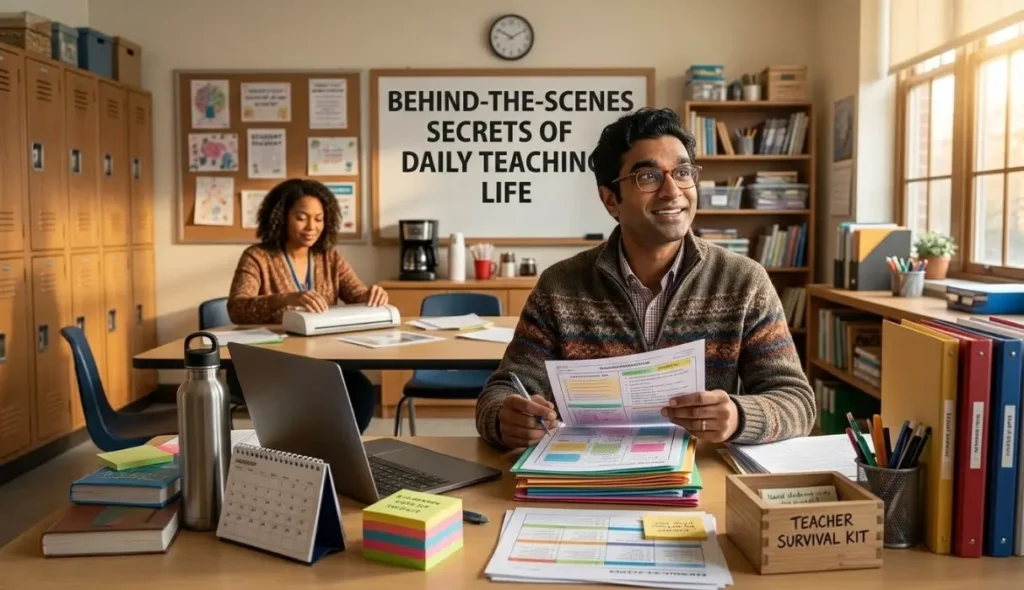
Students often joke that teachers actually live inside the school building because they are always present when the bell rings. The reality of a teacher’s daily routine involves massive amounts of preparation, grading, and multitasking long after students go home.
Looking at daily teaching stats shows just how demanding and rewarding this profession really is.
The Mind-Boggling Numbers of Grading and Planning
An average full-time teacher interacts with over one hundred students every single day across multiple subject periods. Over a typical nine-month academic year, a high school educator grades more than ten thousand individual homework assignments, essays, and exam papers.
This heavy workload explains why teachers spend roughly five to ten hours every weekend reviewing papers and writing new lesson plans.
Fueling the Day: Coffee, Steps, and Multitasking
Teachers walk between three and five miles every day just moving around their classrooms and supervising hallways. To keep their energy high during long lectures, over eighty percent of educators drink coffee or tea daily during morning planning periods.
Multitasking is essential, as teachers make approximately fifteen hundred educational decisions every single working day.
How Teachers Impact Student Lives Beyond the Classroom
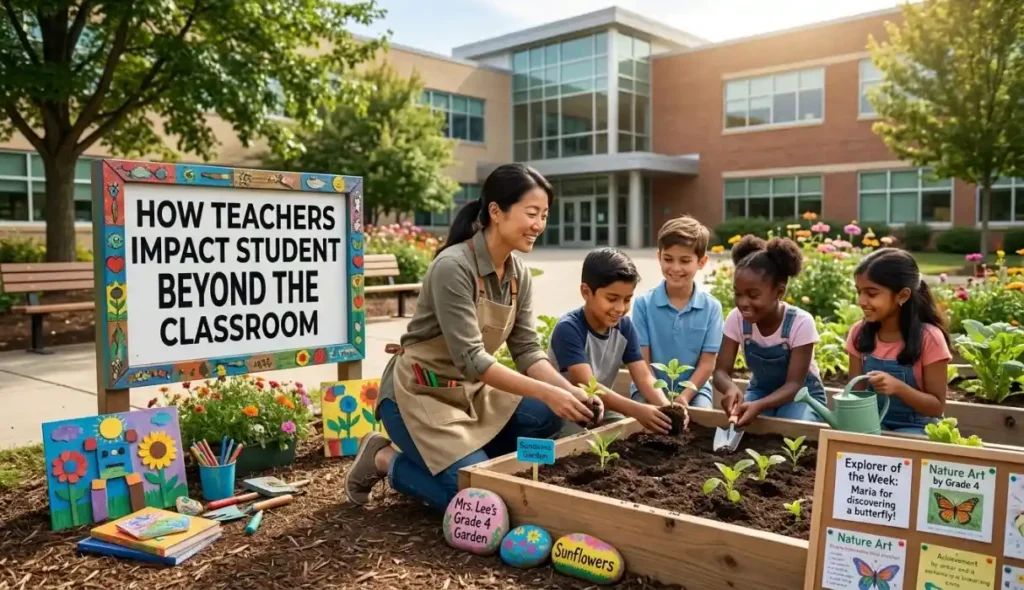
The true value of an educator cannot be measured purely through standardized test scores or report card grades. Teachers serve as mentors, confidence boosters, and safe adult figures who shape how young people view themselves and their futures.
Small moments of encouragement in the hallway often leave impressions that last a lifetime.
Boosting Confidence in Struggling Students
When a teacher takes five extra minutes after class to explain a difficult math concept, it changes a student’s entire attitude toward learning. Research shows that having just one supportive teacher in early childhood drastically lowers high school dropout rates among at-risk youth.
Educators spot potential in students long before children recognize their own talents and abilities.
Building Safe and Inclusive Communities
Classrooms are often the most stable, structured environments in a child’s weekly routine. Teachers work tirelessly to decorate walls, organize quiet reading corners, and establish rules that foster kindness and respect among peers.
By modeling empathy every day, educators help build compassionate future citizens who value diversity and teamwork.
Fun Ways to Use Teacher Trivia in School Activities
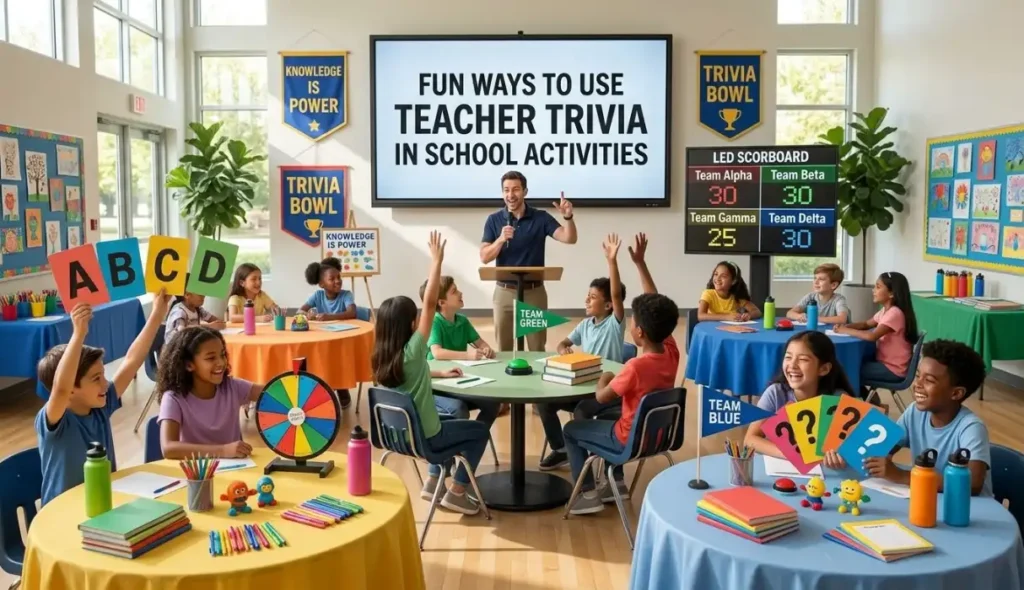
Bringing interesting trivia into your school routine makes mornings brighter and builds camaraderie between staff and students. Whether you are hosting a school spirit week or writing morning announcements, trivia acts as an engaging icebreaker.
Here are practical ideas for incorporating surprising facts into daily academic life.
Morning Announcements and Classroom Icebreakers
Start each school day on a fun note by sharing a quick “Did You Know?” fact over the intercom or on whiteboards. Students love guessing the answers, which creates instant excitement before formal instruction even begins.
Teachers can also use historical facts as warm-up journal prompts for creative writing or history lessons.
- Intercom Trivia: Share a surprising historical fact every Tuesday morning and award a small prize to the first class with the correct answer.
- Teacher Guessing Games: Display childhood photos or secret talents of staff members on bulletin boards for students to guess.
- Icebreaker Cards: Keep index cards with surprising facts on desks to spark quick discussions during transition times.
- Staff Meeting Warm-Ups: Begin faculty meetings with quick trivia rounds to relax teachers after a long instructional day.
Designing Interactive Bulletin Boards
Transform boring hallway displays into interactive trivia walls where students flip paper flaps to reveal answers. For example, feature a board titled “Before They Were Teachers” highlighting interesting past jobs held by school staff members.
Interactive displays encourage students to read while walking between class periods, building a culture of curiosity across campus.
Practice Exercise
Test your understanding of historical teaching traditions, famous icons, and classroom statistics with these 5 multiple-choice questions.
- Why did frontier families in the 18th and 19th centuries give red apples to teachers?
A. Red apples were used as magic charms to bring good luck to schools.
B. Families used apples and fresh crops to help pay teachers who earned very low salaries.
C. Teachers used apple juice to erase chalk marks off blackboards.
D. Schools required every student to eat three apples before taking math tests. - Which famous U.S. President taught elementary school in Cotulla, Texas, using his salary to buy supplies for students?
A. George Washington
B. Lyndon B. Johnson
C. Abraham Lincoln
D. Theodore Roosevelt - Who invented the giant wall blackboard in 1801 by hanging large slabs of slate together?
A. Alexander Graham Bell
B. James Pillans
C. Marie Curie
D. John Adams - Approximately how many individual educational decisions does a teacher make during a single working day?
A. Around ten decisions.
B. Exactly fifty decisions.
C. Approximately fifteen hundred decisions.
D. Zero decisions. - How does sharing trivia and fun facts during morning announcements benefit school culture?
A. It forces students to stay silent until lunchtime.
B. It sparks curiosity, creates excitement for learning, and builds positive connections across campus.
C. It replaces the need to teach math and science subjects.
D. It cancels afternoon homework assignments automatically.
Answer Key:
- B
- B
- B
- C
- B
FAQs
What is the origin of World Teachers’ Day?
World Teachers’ Day was established by UNESCO in 1994 to celebrate educators globally. It honors the signing of the 1966 recommendation concerning the status, rights, and working conditions of teachers worldwide.
Why is red ink traditionally used for grading student work?
Red ink was historically chosen because it provides high visual contrast against dark graphite pencil lead. This sharp contrast makes corrections, grade marks, and helpful teacher feedback instantly readable for students reviewing papers.
How far do teachers typically walk during a normal school day?
Most teachers walk between three and five miles daily while moving across classrooms, supervising hallways, and monitoring recess. Active movement helps educators manage classroom energy and maintain student engagement throughout instruction.
Did famous scientists like Marie Curie really work as teachers?
Yes, Marie Curie worked as a private tutor and governess for years to pay for her higher education. Teaching provided essential income while she pursued advanced degrees in physics and mathematics in Paris.
How can trivia help reduce student anxiety at the start of the school year?
Sharing lighthearted trivia breaks down formal barriers, helping students view educators as approachable, human guides. Interactive guessing games create a relaxed atmosphere that encourages open communication during the first week of classes.
Conclusion
Exploring fun teacher facts reveals the rich history, dedication, and humor that define the teaching profession. From frontier families paying educators with fresh autumn apples to modern teachers walking miles every day, these surprising details highlight the incredible commitment of educators.
Sharing these stories brings students and teachers closer together, building a school culture rooted in appreciation and curiosity.
Gather your favorite trivia bits, share them with your classmates or teaching colleagues, and keep discovering amazing fun teacher facts that make learning enjoyable!

Jack Olive is the creative mind behind buzzgiggles.com, a fun-focused website built to bring smiles, laughter, and lighthearted entertainment to everyday life. With a passion for humor and enjoyable content, Jack Olive creates and shares playful ideas, amusing stories, entertaining discoveries, and cheerful moments designed for readers of all kinds.
Through buzzgiggles.com, Jack Olive combines creativity, curiosity, and a positive sense of humor to explore the lighter side of life. Whether visitors are looking for a quick laugh, something interesting to share, or a cheerful break from their routine, the website offers content created with fun in mind. Jack Olive believes great entertainment should be easy to enjoy, memorable, and capable of brightening someone’s day.