
Finding the best fun table games comes down to matching player count, game duration, and complexity to your group’s tastes. From fast-paced card games like Exploding Kittens to tactical favorites like Ticket to Ride, table games bring people together through friendly competition, shared laughter, and engaging strategy.
Have you ever gathered around a dining table with close friends and family, only to end up staring at phone screens in silence? Bringing out a selection of fun table games instantly breaks the ice and turns a quiet gathering into an unforgettable evening full of laughter.
Whether you prefer quick card games, tactical board games, or lively party setups, there are titles suited for every skill level and group size.
Discovering new fun table games means exploring different mechanics, learning simple rules, and creating engaging social experiences that everyone can enjoy together.
Ready to see how curated fun table games can elevate your weekend hosting skills and revive your game night routine? Let’s explore top categories, beginner setup tips, strategic advice, and rules that make tabletop play endlessly entertaining!
The Social Magic of Gathering Around Table Games
Long before digital screens dominated our leisure time, physical tabletop play served as humanity’s primary social pastime. Gathering around a shared wooden surface fosters direct eye contact, active conversation, and genuine spontaneous emotional connections.
Modern game designers continuously refine mechanics to eliminate tedious downtime, keeping every participant involved regardless of whose turn it is.
Let’s examine why physical tabletop entertainment continues to experience a massive global resurgence today.
How Analog Play Recharges Mental Focus
Taking a dedicated break from digital displays allows your brain to rest from continuous screen illumination and notifications. Engaging with tactile components like wooden dice, custom cards, and smooth game tokens stimulates tactile brain pathways.
Planning tactical moves on a physical board enhances spatial awareness, problem-solving skills, and focused critical thinking naturally.
These mental workouts feel rewarding rather than exhausting because they occur within a relaxed, social atmosphere.
Breaking the Ice Across Generations
Few activities bring kids, parents, and grandparents together as naturally as a shared tabletop match. Simple rules level the playing field, allowing a sharp eight-year-old to compete fairly against an experienced grandparent.
Shared goals in cooperative titles encourage family members to collaborate, communicate, and celebrate joint victories.
These shared triumphs build lasting positive memories that far outlast the game session itself.
Exploring Key Tabletop Game Categories
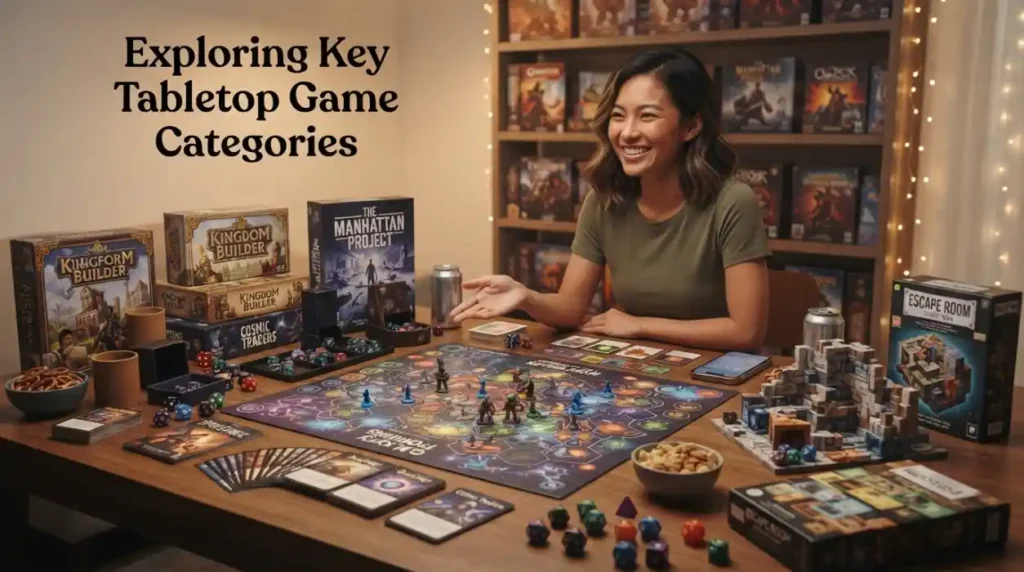
The world of tabletop entertainment expands far beyond traditional roll-and-move childhood classics. Modern game development offers diverse mechanics designed to cater to specific group moods, play times, and strategic preferences.
Understanding these main categories helps you choose the right title for any social gathering or quiet evening in.
Here is a quick overview comparing core categories to guide your next collection addition.
Fast-Paced Party Games for High-Energy Groups
Party titles prioritize quick rule explanations, hilarious player interactions, and minimal setup effort. Games like Codenames, Dixit, and Telestrations challenge players to decode secret clues, interpret creative artwork, or guess silly drawings under pressure.
- Low Barrier to Entry: New players can learn the complete rules in under two minutes.
- Flexible Player Counts: Scalable mechanics accommodate dropping players in or out seamlessly.
- High Replayability: Variable clue cards and word combinations guarantee no two matches play identically.
- Active Engagement: Secret roles and simultaneous guessing keep non-active players fully invested.
Cooperative Games for Teamwork Lovers
If direct competition sometimes leads to hurt feelings or tension, cooperative titles offer a refreshing alternative. In games like Pandemic, Forbidden Island, or Horrified, all participants work together as a unified team against a common game system.
Players discuss tactics openly, pool resources, and make joint decisions to prevent catastrophic in-game events.
Winning together creates shared pride, while losing encourages the group to immediately set up another attempt.
How to Host an Unforgettable Game Night

Hosting a smooth game night involves more than simply dumping a box of components onto a kitchen table. Thoughtful preparation keeps momentum high, minimizes rule confusion, and ensures all your guests feel comfortable throughout the evening.
Setting up a welcoming environment helps players focus entirely on having fun and enjoying friendly banter.
Here are practical hosting steps to guarantee your event runs seamlessly from start to finish.
Setting Up the Perfect Gaming Space
Proper lighting and physical comfort are essential when sitting down for an extended tabletop session. Ensure your main playing surface receives bright, even illumination so players can easily read small card text and board details without straining their eyes.
- Provide Clear Table Space: Remove unnecessary table decorations, salt shakers, and clutter before unfolding the board.
- Arrange Comfortable Seating: Choose supportive chairs placed at equal distances to give everyone clear sightlines to the main board.
- Designate Snack Zones: Keep drinks and finger foods on side tables to prevent accidental spills on paper components.
Teaching New Rules Without Boring Your Guests
Explaining complex rulebooks to a group of eager players can feel intimidating if you do not organize your presentation. Avoid reading long rulebook passages line-by-line while your guests sit in silence waiting to roll dice.
Start by stating the main goal or theme of the game in one simple sentence, so players understand what they are trying to achieve.
Set up a sample turn right on the table, walking through common actions step-by-step so visual learners grasp the mechanics quickly.
Strategic Advice to Level Up Your Gameplay
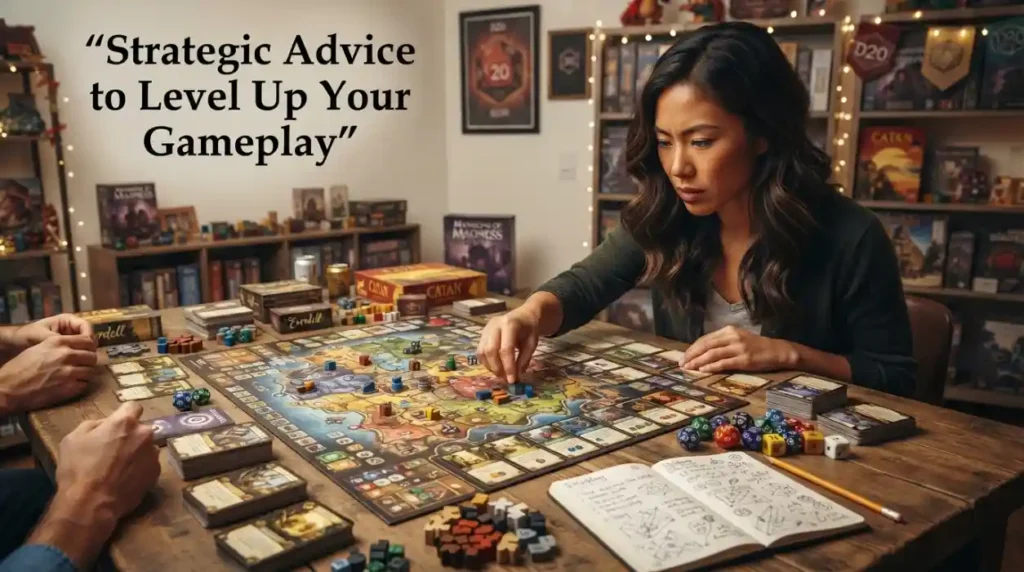
Once you master basic rule sets, discovering deeper strategic layers keeps classic titles fresh and engaging over dozens of plays. Developing strong table awareness helps you anticipate opponents’ moves while managing your own resources efficiently.
Balancing long-term planning with flexible short-term tactics is the key to consistent tabletop success.
Let’s look at universal strategic principles that apply across almost all competitive game genres.
Resource Management and Action Efficiency
In most strategy games, your total available turns or action points are strictly limited throughout a match. Winning players consistently look for moves that accomplish two goals at once, maximizing every single resource spend.
Evaluating Trade-Offs
Before committing resources to an expensive purchase, ask yourself if that investment yields immediate score points or long-term production.
Timing Your Moves
Hold flexible action cards in your hand until opponents reveal their primary defensive positions.
Reading Table Dynamics and Opponent Styles
Tabletop play involves human psychology just as much as cardboard pieces and plastic tokens. Pay close attention to how your friends react to game pressure, resource scarcity, or sudden score changes.
Aggressive players often push early lead positions, making themselves easy targets for group pushback later in the game.
Patient players who build quiet, steady resource bases often pull ahead during late-game scoring rounds unnoticed.
Extending the Lifespan of Your Collection
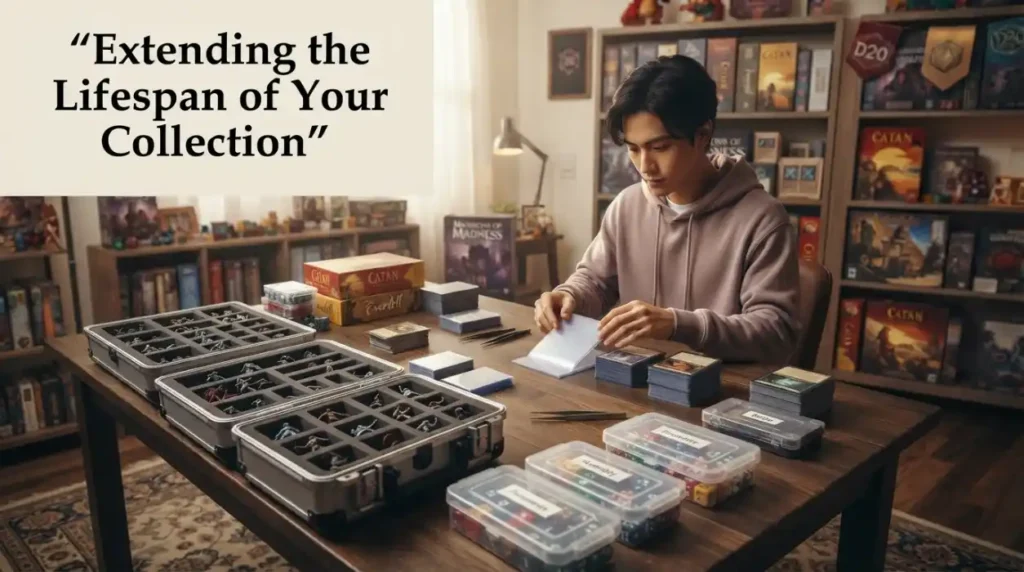
Quality board game sets are valuable investments that provide years of entertainment when properly maintained. Heat, humidity, rough shuffling, and messy hands can degrade paper cards and warp cardboard tiles over time.
Adopting protective storage habits ensures your favorite titles remain in pristine, playable condition for decades.
Follow these simple maintenance routines to safeguard your gaming library.
Protecting Cards and Custom Tokens
Card sleeves made from clear archival polypropylene protect delicate paper edges from moisture, oils, and bending during intense shuffling. Sleeving frequently played decks prevents ink wear and keeps card backs completely uniform, which eliminates accidental card identification.
Store small wooden dice, plastic figures, and cardboard coins in sealable plastic bags or custom molded trays inside the box.
Organized components make setting up and packing away games twice as fast during busy hosting sessions.
Proper Box Storage and Environmental Controls
Always store your game boxes horizontally on flat shelving rather than stacked vertically on their sides. Vertical storage allows heavy interior boards to slump against plastic insert trays, causing crushed corners and loose components.
Keep your collection in a dry, climate-controlled room away from direct sunlight, which can fade vibrant box art over time.
Checking box contents after every session ensures no stray tokens drop onto the floor under furniture.
Practice Exercise
Test your knowledge of tabletop mechanics, hosting tips, and component maintenance with this quick five-question multiple-choice quiz.
- Which tabletop game category features players working together as a unified team against the game system itself?
A. Free-for-all trick-taking games
B. Cooperative strategy games
C. High-stakes bluffing games
D. Abstract spatial placement games - Why is it best practice to keep food and drinks on separate side tables during a game night?
A. It forces players to exercise between turns
B. It keeps the main dining table looking formal
C. It prevents accidental liquid spills and grease marks on delicate paper components
D. It keeps food warm longer - What is the main benefit of placing clear protective sleeves over game cards?
A. It makes cards three times larger
B. It protects card edges from moisture, skin oils, and bending damage
C. It changes the rules automatically.
D. It allows cards to float in water - How should game boxes be placed on shelves to prevent component warping and corner damage?
A. Stacked vertically on their narrow edges
B. Stored flat horizontally on shelf surfaces
C. Balanced diagonally on box corners
D. Stored inside airtight metal safes - What is the most effective way to start explaining a new game to first-time players?
A. Read the entire rulebook out loud from page one
B. State the main goal and overall theme in one simple sentence
C. Hand every player a rulebook and walk away
D. Start playing immediately without explaining any rules
Answer Key:
- B
- C
- B
- B
- B
Frequently Asked Questions
What are some great table games for only two players?
Abstract strategy games like Chess or Patchwork, alongside dedicated two-player card games like Lost Cities, offer phenomenal experiences. These titles eliminate downtime while delivering deep tactical decisions tailored specifically for head-to-head competition.
How long should a typical casual game night last?
A balanced casual game night usually lasts between two and three hours, allowing time for two light games or one medium strategy title. This duration keeps energy levels high without causing mental fatigue or disrupting evening schedules.
What should I do if a player gets overly competitive or upset?
Remind the group gently that the primary goal of the evening is relaxed social fun and shared entertainment. Selecting cooperative games where everyone wins or loses together is an effective way to redirect competitive energy toward teamwork.
How can I make game rules easier for young children to understand?
Simplify complex scoring systems, reduce total hand sizes, and use open hands where cards sit face up on the table. Guiding younger players through their first few turns builds confidence and helps them grasp basic mechanics quickly.
Are modern board games expensive to collect?
While premium strategy games with detailed miniatures carry higher price tags, dozens of fantastic card and party games cost under twenty dollars. Starting with budget-friendly card titles allows you to build a diverse collection without spending heavily.
Conclusion
Incorporating a curated collection of fun table games into your routine is a wonderful way to replace screen time with genuine human connection. By choosing titles that match your group’s skill level, setting up a comfortable playing space, and preserving components, every gathering becomes a memorable event.
Analog play offers endless opportunities for friendly competition, strategic thinking, and shared laughter with those who matter most.
Creating a welcoming table atmosphere turns simple weekend gatherings into cherished tradition.
Are you ready to unplug, roll the dice, and create lasting memories with your favorite people? Gather your friends, pick out an exciting new title, and clear off the dining table for an epic game night today!

Jack Olive is the creative mind behind buzzgiggles.com, a fun-focused website built to bring smiles, laughter, and lighthearted entertainment to everyday life. With a passion for humor and enjoyable content, Jack Olive creates and shares playful ideas, amusing stories, entertaining discoveries, and cheerful moments designed for readers of all kinds.
Through buzzgiggles.com, Jack Olive combines creativity, curiosity, and a positive sense of humor to explore the lighter side of life. Whether visitors are looking for a quick laugh, something interesting to share, or a cheerful break from their routine, the website offers content created with fun in mind. Jack Olive believes great entertainment should be easy to enjoy, memorable, and capable of brightening someone’s day.