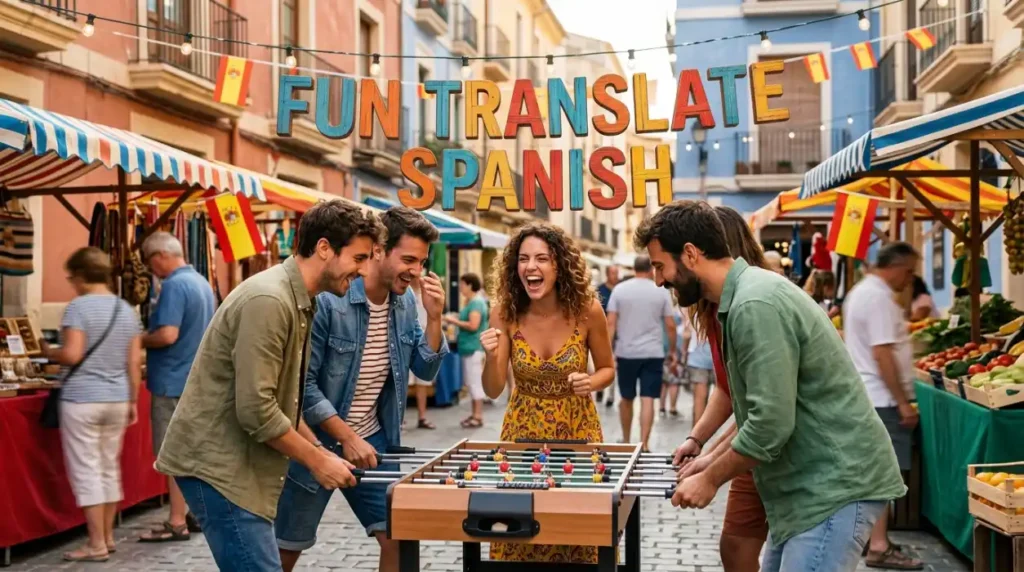
To fun translate Spanish means translating words beyond literal dictionary definitions into vibrant slang, humorous idioms, and colorful expressions. Instead of rigid word-for-word translation, this approach captures cultural humor, playful banter, and natural conversational flair so your Spanish sounds lively, warm, and authentic.
Have you ever tried to translate a playful English phrase into Spanish, only to end up with a confusing mess? Learning how to fun translate Spanish opens up a whole new world of colorful slang, hilarious idioms, and witty banter.
Instead of sticking to stiff textbook grammar, a playful translation approach helps you connect with native speakers on a genuinely friendly level.
Whether you want to chat casually with friends or enjoy hilarious Spanish idioms, mastering a fun, translate-Spanish mindset makes language learning feel like an exciting game.
Let’s explore quirky expressions, funny direct translations, and clever conversation hacks so you can speak Spanish with confidence, humor, and natural ease.
Why Literal Translation Fails for Playful Spanish
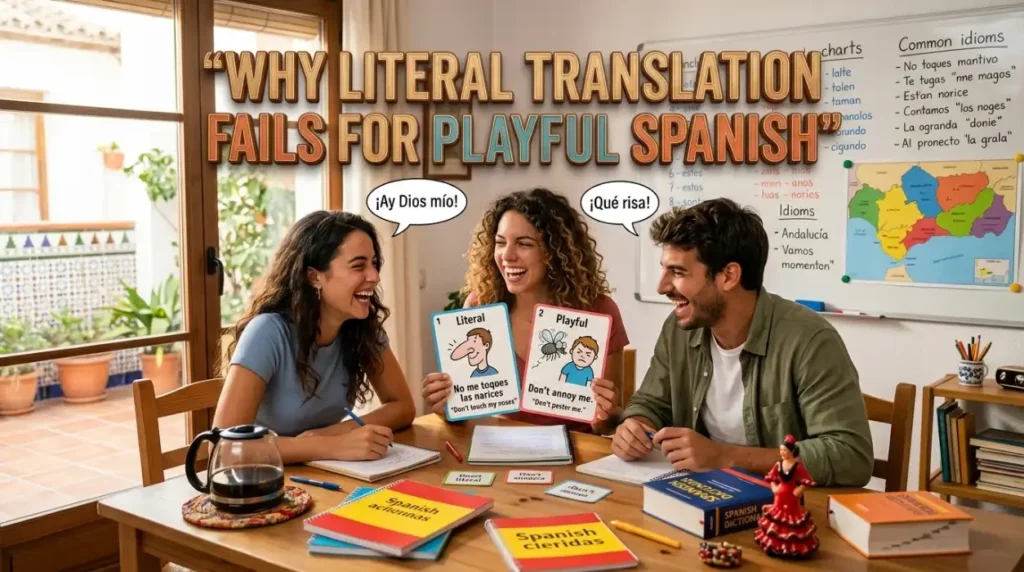
Translating word-for-word often turns clever English humor into awkward Spanish phrasing. Languages carry deep cultural roots, humor styles, and regional expressions that do not line up neatly. When you try to translate phrases literally, the original joke or emotion gets lost in translation.
The Problem with Word-for-Word Dictionaries
Dictionary apps excel at defining simple nouns like table or house, but struggle with social context. If you input English idioms directly into a basic translation tool, you usually get a sentence that sounds unnatural to native speakers.
- English idiom: “You are pulling my leg.”
- Literal translation: “Estás jalando mi pierna.” (This sounds like physical harm or a weird exercise.)
- Natural playful Spanish: “Me estás tomando el pelo.” (Literally, “You are taking my hair.”)
Language, Culture, and Social Humor
Spanish speakers place a high value on warmth, double meanings, and lighthearted teasing. Capturing this social vibe requires understanding how local culture shapes everyday vocabulary. By shifting your focus from rigid rules to expressive meaning, you instantly sound more relaxed and relatable.
Common English Phrases with Hilarious Spanish Equivalents
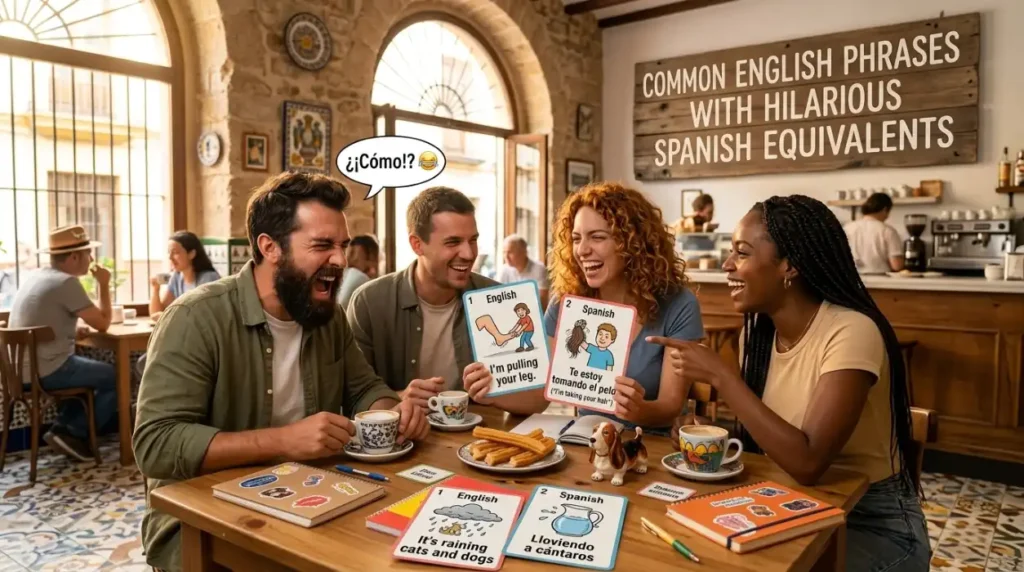
English has dozens of quirky sayings that sound amazing when matched with their authentic Spanish counterparts. Learning these humorous matches boosts your vocabulary while giving you great conversation starters.
Animal-Based Idioms and Expressions
Both English and Spanish use animals to describe human behavior, but they rarely choose the same animal for the same situation.
- “To be like a bull in a china shop” becomes “Ser como un elefante en una chatarrería” (Like an elephant in a junkyard).
- “To speak very softly” becomes “Hablar como un pajarito” (To speak like a little bird).
- “To be extremely busy” becomes “Estar más ocupado que una abeja” (To be busier than a bee).
- “To be in a bad mood” becomes “Estar de un humor de perros” (To be in a dog’s mood).
Food and Cooking Phrases Used in Daily Chat
Food plays a massive role in Spanish idioms, turning everyday kitchen ingredients into hilarious descriptions for personality traits and emotional reactions.
- “To be as cool as a cucumber” maps to “Estar más fresco que una lechuga” (Fresh as a lettuce).
- “To give someone a tough time” becomes “Dar la lata” (To give the tin can).
- “To fall in love deeply” becomes “Encoñarse” or “Ser la media naranja” (To find your other half of the orange).
- “To make a big mess” becomes “Armar un cacao” (To stir up a cocoa).
Regional Slang: Adding Local Flavor to Your Spanish
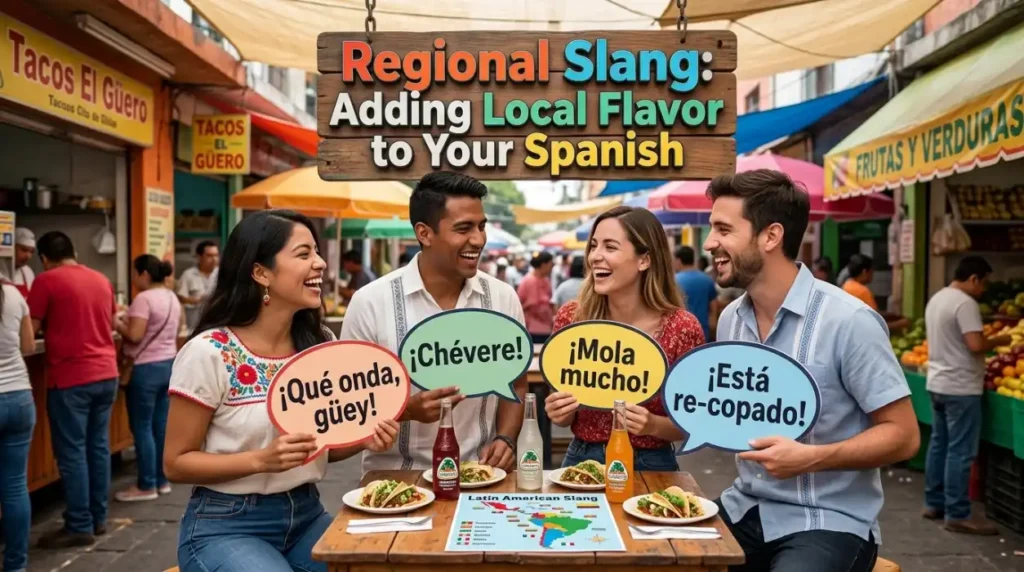
Spanish is spoken across more than twenty countries, and every region brings its own humorous slang to the table. What sounds incredibly funny in Mexico might mean something completely different in Spain or Argentina.
Mexican Slang for Fun Conversations
Mexican Spanish is famous for its rich, expressive slang that turns ordinary chats into energetic storytelling.
- “¡Qué padre!”Literally means “How father!”, but is used everywhere to mean “How cool!” or “Awesome!”
- “Chidísimo”: Fantastic.
- “No manches”: Used to express shock or disbelief, similar to “No way!” or “You’re kidding!”
- “Estar de hueva”: Feeling completely lazy or unmotivated to do anything.
Peninsular Spanish (Spain) Street Talk
Spaniards use distinct casual phrases that immediately set their conversational tone apart from Latin America.
- “Mola mucho”: It’s super cool or enjoyable.
- “Estar como una cabra”: Literally “To be like a goat,” meaning someone is totally shocking in a fun way.
- “Ser un cachondo”: Being a hilarious joker who loves having fun.
- “¡Flipas!”: You’re blowing my mind!
How to Practice Playful Spanish Without Fear
Making mistakes is a natural part of learning any language, especially when trying out humor and informal expressions. The best way to overcome anxiety is to embrace humorous translation slip-ups as memorable learning moments.
Using Pop Culture, Music, and Memes
Social media memes, comedic television shows, and upbeat music provide real-world examples of how native speakers actually talk.
- Follow Spanish meme pages on social media to see real-time wordplay and visual puns.
- Watch animated movies in Spanish audio mode to catch simplified jokes and clever localized phrasing.
- Read Spanish comic strips like Condorito or Mafalda for short, punchy humor.
Roleplaying Casual Scenarios with Friends
Practicing with language partners creates a low-pressure environment where you can test new slang before using it in public.
- Try ordering coffee using local regional expressions.
- Tell a funny weekend story using at least two new animal idioms.
- Challenge a friend to translate English movie quotes into playful Spanish equivalents.
Practice Exercise
Test your knowledge of playful Spanish translations, local slang, and funny idioms with these 5 multiple-choice questions.
- What does the Spanish idiom “Costar un ojo de la cara” mean in English?
A. To take a nap.
B. To cost an arm and a leg.
C. To look closely at something.
D. To buy new glasses. - Which Mexican slang phrase expresses excitement or “How cool!”?
A. ¡Qué padre!
B. Dar la lata.
C. Estar en la ruina.
D. Lloviendo a cántaros. - What animal does Spain use to describe someone acting wild or shocking (“Estar como una…”)?
A. A dog (perro).
B. A goat (cabra).
C. An elephant (elefante).
D. A bird (pajarito). - Why does literal word-for-word translation often fail for jokes and idioms?
A. Dictionaries do not contain nouns.
B. Spanish has no grammar rules.
C. It ignores cultural context, social humor, and local figurative meanings.
D. Words mean the same thing in every country. - What is the literal translation of the Spanish phrase “Me estás tomando el pelo”?
A. You are cutting my hair.
B. You are pulling my leg (taking my hair).
C. You are washing my head.
D. You are brushing my teeth.
Answer Key:
- B
- A
- B
- C
- B
FAQs
What does it mean to fun translate Spanish in everyday conversation?
It means converting concepts using playful slang, cultural idioms, and natural expressions rather than literal dictionary definitions. This method focuses on capturing humor, warmth, and emotion so your spoken Spanish sounds genuine and engaging to native speakers.
Can I use playful Spanish slang in professional work settings?
No, casual street slang and humorous idioms are best reserved for social gatherings, friends, and family settings. Professional emails and business meetings require formal vocabulary to maintain proper respect and workplace clarity.
How do regional differences affect humorous Spanish translations?
Different Spanish-speaking countries use unique slang terms, so a phrase popular in Mexico might sound confusing in Argentina. Learning where your conversation partners are from helps you choose the most fitting local expressions.
What is the easiest way to learn native Spanish idioms quickly?
Consuming native media like podcasts, humorous TV shows, and social media content is the fastest approach. Immersing yourself in daily banter helps you hear how native speakers naturally weave idioms into everyday conversations.
Is it okay if I make mistakes when trying out Spanish slang?
Yes, native speakers usually appreciate your efforts to learn their local expressions and will gently correct you. Laughing off minor translation slip-ups creates an instant connection and speeds up your language learning.
Are Spanish idioms hard for beginners to understand?
They can feel tricky at first because literal meanings differ from the intended meaning, but starting with basic food and animal idioms makes the process simple, memorable, and entertaining.
Conclusion
Learning how to translate Spanish for fun transforms language study from a dry academic chore into a lively, rewarding adventure. By moving past rigid literal translations and exploring regional slang, humorous idioms, and authentic pop culture, you gain the tools to express your true personality in Spanish.
Remember that humor and warmth bridge cultural gaps far faster than flawless grammar ever could.
Keep exploring new expressions, practice with native friends, and enjoy the playful journey toward fluent Spanish conversation today!

Jack Olive is the creative mind behind buzzgiggles.com, a fun-focused website built to bring smiles, laughter, and lighthearted entertainment to everyday life. With a passion for humor and enjoyable content, Jack Olive creates and shares playful ideas, amusing stories, entertaining discoveries, and cheerful moments designed for readers of all kinds.
Through buzzgiggles.com, Jack Olive combines creativity, curiosity, and a positive sense of humor to explore the lighter side of life. Whether visitors are looking for a quick laugh, something interesting to share, or a cheerful break from their routine, the website offers content created with fun in mind. Jack Olive believes great entertainment should be easy to enjoy, memorable, and capable of brightening someone’s day.