
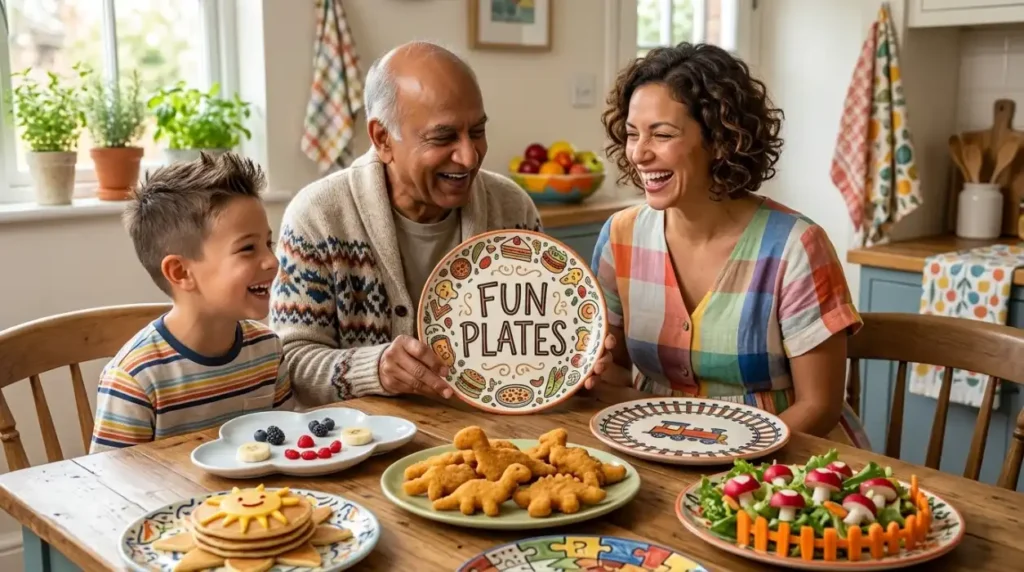
Using fun plates transforms ordinary daily dining into an engaging experience by combining creative shapes, vibrant colors, themed artwork, and divided sections. These playful dishes help picky eaters try new foods, make party hosting memorable, and add personality to everyday family meals through interactive presentation and functional design.
Ever look at a plain white dinner plate and feel like your meal needs a little more excitement? Adding fun plates to your kitchen is an easy way to make everyday dining feel colorful, cheerful, and memorable for everyone.
Whether you are encouraging a picky toddler to enjoy vegetables or planning a playful dinner with friends, fun plates can instantly make meals more engaging. Their creative designs can turn ordinary food into something that feels special.
Bright colors, unique shapes, divided sections, and playful patterns can grab attention while creating a happier atmosphere around the table. They also make serving different foods simple and organized.
From family breakfasts to themed dinner nights, choosing the right fun plates can bring personality to your table. Discover how playful dinnerware can make everyday meals more enjoyable and exciting.
Why Creative Dinnerware Makes Everyday Meals Better

Swapping out basic dishware for playful designs does far more than just look nice on a dining table.
Turning Mealtime into an Interactive Experience
When food presentation feels playful, eating becomes an active and enjoyable experience for people of all ages.
Arranging colorful fruit slices, crackers, and dip around a sculpted plate face encourages kids to interact directly with their meals.
Instead of rushing through dinner, family members sit longer, smile more, and enjoy the visual creative effort put into the meal.
Helping Picky Eaters Try New Foods
Parents around the world struggle daily with toddlers who refuse to touch healthy vegetables or new food textures.
Sectioned dishes with playful maze paths or cheerful character faces make trying broccoli or carrots feel like a fun game rather than a forced chore.
When a child eats through a compartment to discover a hidden cartoon character underneath, they naturally look forward to finishing their vegetables.
Expressing Your Personality Through Table Styling
Your home table setup reflects your personal style, sense of humor, and hosting hospitality just like your living room decor does.
Serving appetizers on whimsical animal-shaped platters or retro artistic dishes showcases your creative flair during social gatherings.
Guests instantly feel more relaxed and welcomed when formal dinner rules give way to cheerful, personality-filled tableware.
Exploring Different Styles of Playful Dishware
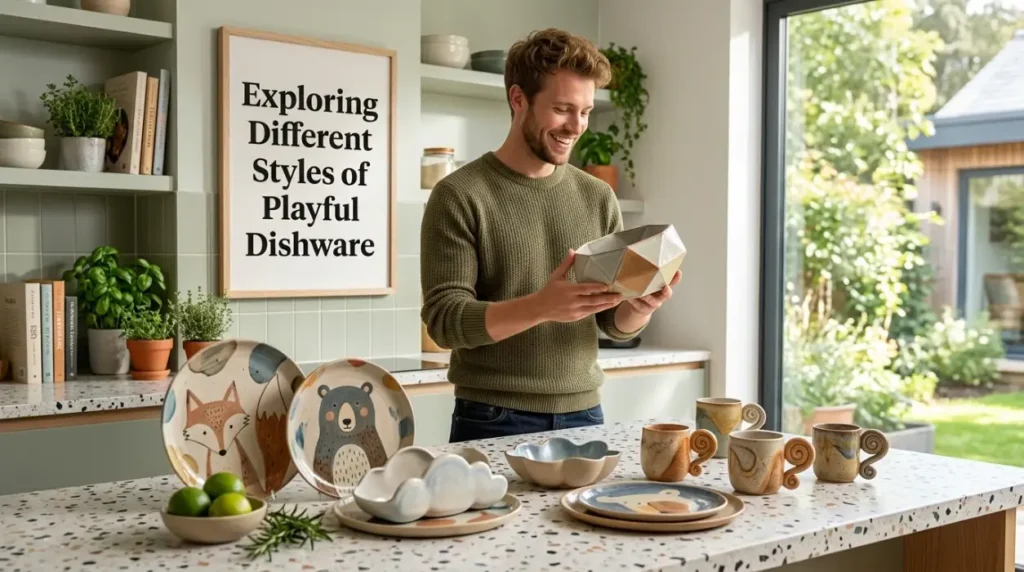
Decorative dining plates come in a vast range of materials, shapes, and structural designs tailored for specific age groups and dining events.
Divided Section Plates for Toddlers and Kids
Compartment dishes keep distinct food items separated so textures and flavors do not mix together unexpectedly on the tray.
- Puzzle Track Dishes: Feature interconnected food compartments shaped like train tracks, construction sites, or castle pathways.
- Hidden Picture Plates: Reveal colorful illustrations at the bottom of each section as children finish eating their food portions.
- Suction Base Trays: Attach securely to highchair trays using silicone bottoms to prevent accidental spills and messy floor drops.
Ceramic Novelty Plates for Adult Hosting
Adult novelty tableware blends artistic humor with high-quality stoneware or porcelain craftsmanship suitable for formal dinner parties.
Glazed leaf-shaped platters, vintage comic book art prints, and quirky geometric designs bring sophisticated fun to charcuterie boards and dessert courses.
These durable ceramic pieces function as great conversation starters when serving artisanal cheeses, tapas, or hand-rolled sushi to friends.
Eco-Friendly Bamboo and Silicone Outdoor Options
Outdoor picnics, backyard barbecues, and camping trips demand durable dishware that resists cracks, chips, and sudden drops on hard ground.
Natural bamboo fiber dishes offer lightweight strength combined with matte pastel colors and charming animal face illustrations.
Food-grade silicone plates bend flexibly, clean effortlessly in dishwasher racks, and withstand microwave heat without releasing chemical odors.
Choosing the Best Materials for Safety and Durability
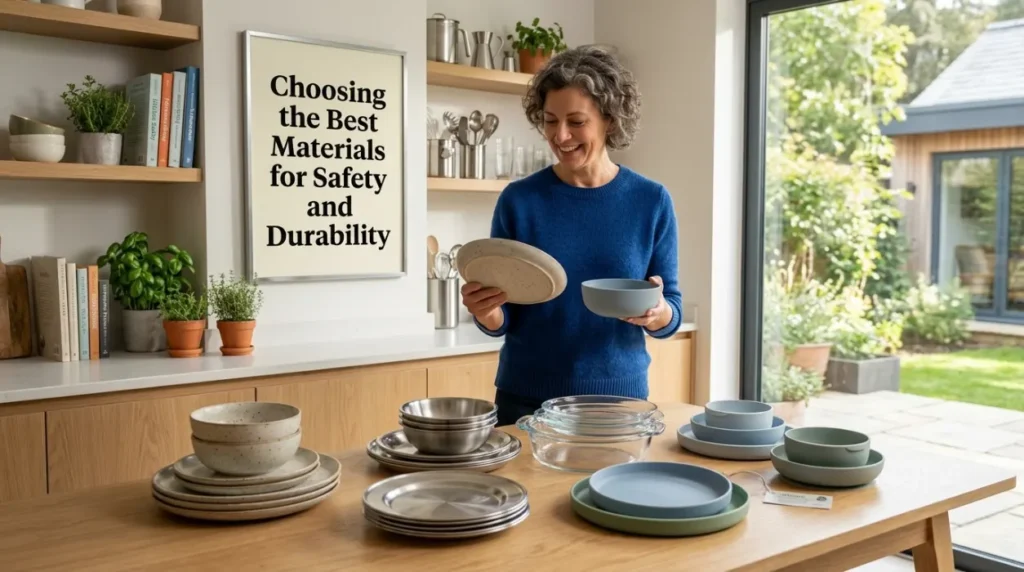
Selecting the right tableware material depends on whether you prioritize unbreakable safety for toddlers or heat-resistant versatility for cooking.
Understanding Melamine and Plastic Options
Melamine plastic is incredibly popular for outdoor dining because it is shatterproof, lightweight, and comes in vibrant printed patterns.
However, melamine should never be placed inside a microwave oven, as high temperatures can damage the resin bond over time.
Always verify that any plastic children’s dishes are explicitly certified as free from BPA, phthalates, and harmful chemical coatings.
The Benefits of Food-Grade Silicone
Food-grade silicone has revolutionized kids’ dining products due to its flexible, non-toxic, and temperature-resistant physical properties.
- Heat Resistance: Safe for use in microwaves, conventional ovens, and freezer storage containers without cracking.
- Easy Cleaning: Resists stubborn food stains and rinses clean under warm running water or in top-rack dishwashers.
- Unbreakable Texture: Soft rubbery edges prevent injuries if dropped and eliminate noisy clattering sounds on granite counter surfaces.
Long-Lasting Porcelain and Glazed Stoneware
For adult dinnerware that lasts decades, glazed porcelain and heavy stoneware provide unmatched durability and scratch resistance.
Lead-free ceramic glazes seal raw clay porous surfaces, preventing moisture absorption and making dishes safe for hot soups and pasta.
While ceramic can chip if dropped onto hard tile floors, its substantial weight feels luxurious and keeps food warm longer during dinner.
Comparing Tableware Materials by Feature and Safety
Evaluating different dining materials side-by-side helps you invest in pieces that match your kitchen equipment and family lifestyle.
Fascinating Historical Facts About Dining Tableware
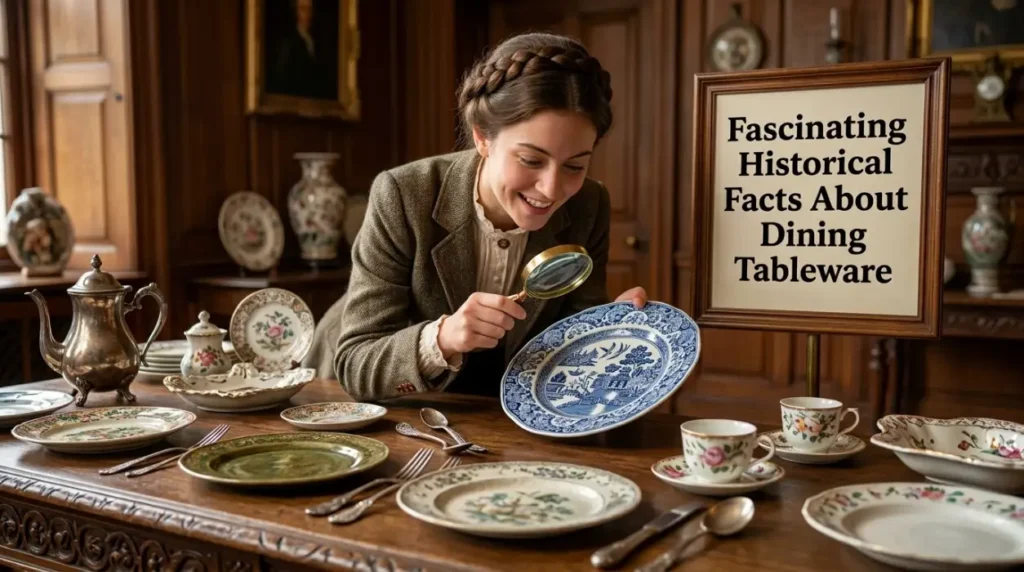
The way human societies present and serve food has evolved dramatically through centuries of cultural innovation and material invention.
The Invention of the Very First Divided Trencher
Before ceramic dishes were widely produced in factory factories, medieval Europeans ate meals off thick slabs of stale bread called “trenchers.”
Carved wooden trenchers featuring hollowed-out sections eventually replaced bread slabs during the 15th century to prevent gravy from leaking on tables.
These early wooden compartments represent the historical ancestors of modern divided kids’ trays used in kitchens today.
How Royal Banquets Used Edible Dishware
During the Renaissance era, wealthy European monarchs impressed elite guests by serving sweet desserts on plates made entirely of sugar paste and flour.
Guests could eat both the dessert treat and the sweet plate itself after finishing the primary course of the royal feast.
This historical tradition of edible tableware is returning today as eco-friendly companies invent edible wheat bran and seaweed snack bowls.
The Origin of Modern Suction-Cup Dining Technology
The idea of attaching suction cups to highchair trays came from observing marine sea creatures stick firmly to slippery underwater rocks.
Inventors realized that medical-grade silicone could create an airtight vacuum seal against smooth plastic highchair trays when pressed downward firmly.
This simple biomimicry innovation has saved parents millions of hours of floor cleaning time across the world since its widespread adoption.
How to Care for and Store Specialty Dinnerware
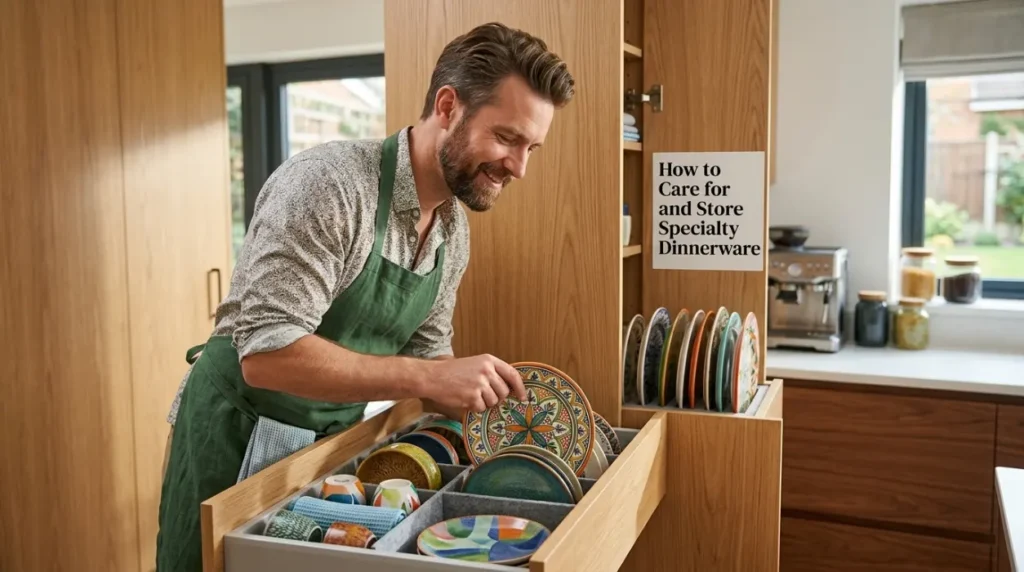
Proper cleaning and smart cabinet organization keep your colorful specialty dishes looking brand new for years without fading or scratching.
Washing Techniques to Prevent Color Fading
Bright printed illustrations on melamine or ceramic dishes require gentle washing habits to preserve their vivid hues over repeated uses.
- Avoid Harsh Scourers: Use soft microfiber sponges rather than abrasive steel wool pads that scratch smooth printed designs.
- Top-Rack Dishwashing: Place plastic and silicone items exclusively on the top dishwasher rack away from exposed bottom heating coils.
- Mild Detergents: Choose gentle gel soaps without harsh bleach additives that dull glossy surface glazes over long periods.
Smart Cabinet Stacking Strategies
Stacking heavy ceramic dishes directly on top of delicate painted plates can cause hairline cracks and unsightly surface scratches over time.
Place thin felt divider pads or soft paper towels between stacked decorative plates inside your kitchen cabinets to absorb physical friction.
For uniquely shaped animal or puzzle dishes, install vertical plate rack dividers to store them standing upright safely like books on a shelf.
Safely Removing Stubborn Food Stains
Tomato sauces, turmeric curry powder, and berry juices can leave stubborn orange or yellow tint spots on light-colored silicone dishes.
Create a paste using equal parts baking soda and warm water, rub it over the stain, and let it sit for twenty minutes before rinsing.
Placing stained silicone dishes in direct sunlight for an hour naturally breaks down organic food pigments without using chemical bleaches.
Creative Ideas for Hosting Unforgettable Theme Nights

Using specialty tableware turns basic family dinners into themed culinary events that everyone looks forward to all week long.
Hosting an Authentic Retro Diner Night
Transform your kitchen counter into a 1950s soda fountain diner by serving burgers and fries on classic red plastic basket trays.
Line the baskets with checkered wax paper sheets, and serve milkshakes in tall glass soda glasses with striped paper straws.
Playing classic rock music in the background completes the nostalgic diner atmosphere for kids and grandparents alike.
Planning a Japanese-Style Bento Lunch Spread
Use lacquered compartment trays or wooden bento boxes to serve a multi-course Japanese-inspired meal featuring sushi rolls, edamame, and rice balls.
Arrange colorful ingredients neatly inside separate sections to highlight natural food textures, vibrant colors, and balanced nutrition.
Giving each family member their own organized bento platter makes lunch feel like a special box treat at a traditional restaurant.
Setting Up a Build-Your-Own Taco Bar
Position a large divided lazy susan platter in the center of your dining table filled with warm tortillas, grated cheese, salsa, and guacamole.
Provide guests with personal sectioned plates so they can assemble custom tacos without ingredient toppings spilling across their lap.
This interactive setup encourages guests to customize their portions while keeping food prep quick, tidy, and social for hosts.
Practice Exercise
Test your knowledge of dinnerware materials, safety guidelines, and care methods with these 5 multiple-choice questions.
- Which dinnerware material is completely shatterproof, flexible, and safe to use inside high-heat microwaves?
A. Melamine plastic
B. Food-grade silicone
C. Unsealed earthenware
D. Clear tempered glass - Why should melamine plastic dishes never be placed inside a microwave oven?
A. High heat damages the resin bond and ruins the material.
B. The material turns into liquid water instantly.
C. It causes the microwave turntable to stop spinning.
D. It strips away the magnetic pull of kitchen utensils. - What historical food item served as a precursor to modern wooden plates in medieval Europe?
A. Dried banana leaves
B. Hollowed-out river stones
C. Thick slabs of stale bread called trenchers
D. Woven straw baskets - What simple natural method helps remove organic tomato stains from light-colored silicone dishes?
A. Soaking the dish in boiling vegetable oil.
B. Placing the dish in direct sunlight after cleaning.
C. Scrubbing the dish with coarse sandpaper.
D. Freezing the dish inside an ice block overnight. - What is the safest cabinet storage method for uniquely shaped or sculpted decorative plates?
A. Stacking ten heavy ceramic pots directly on top of them.
B. Storing them upright in vertical plate rack dividers.
C. Throwing them loose into a deep wire drawer.
D. Taping them together with industrial duct tape.
Answer Key:
- B
- A
- C
- B
- B
FAQs
Are colorful plastic plates safe for hot foods?
Food-grade silicone and certified BPA-free polypropylene plastics are completely safe for serving hot meals to your family. However, melamine plastic should only be used for warm or room-temperature foods, as microwave heating degrades melamine over time.
How do divided plates help picky eaters eat better?
Divided compartments prevent different food textures and flavors from touching each other, which reduces mealtime anxiety for sensitive kids. The visual compartments also turn eating into a fun game where children discover hidden pictures under food.
Can I put bamboo fiber dinnerware inside a dishwasher?
Most modern bamboo fiber dishes are top-rack dishwasher safe when using mild detergent cycles under 160 degrees Fahrenheit. Hand washing with soft sponges extends their natural lifespan and keeps surface matte finishes smooth and vibrant for years.
What is the best material for outdoor patio dinner parties?
Heavy-weight melamine plastic and shatterproof acrylic offer the ideal blend of durability, vibrant color patterns, and outdoor safety. These materials resist chips when dropped on concrete patios while giving your outdoor table an elegant, polished look.
How do I remove soapy tastes from silicone baby plates?
Soapy tastes occur when dishwasher scented detergents build up inside silicone pores over multiple wash cycles. Rubbing the dish with fresh lemon juice or baking soda paste before rinsing with hot tap water removes soap residues completely.
Where can I find unique ceramic novelty plates for hosting?
Boutique kitchen shops, local artisan pottery fairs, and online handmade marketplaces offer unique hand-glazed novelty ceramic dishes. Looking for independent studio potters guarantees you find one-of-a-kind designs that serve as fantastic hosting conversation starters.
Conclusion
Adding fun plates to your dining routine is a simple way to make everyday meals more exciting and enjoyable. From colorful silicone designs for children to stylish ceramic plates for adults, playful dinnerware can suit every age, occasion, and dining style.
Choosing durable materials and following simple care habits can help your favorite plates stay attractive and useful for longer. You can also create themed dinner nights, colorful table settings, or creative food presentations to make family meals more memorable.
Explore different designs today and discover creative ways to brighten your dining table. Whether you are serving breakfast, hosting friends, or enjoying a family dinner, playful dinnerware can add extra charm and joy to every meal.

Jack Olive is the creative mind behind buzzgiggles.com, a fun-focused website built to bring smiles, laughter, and lighthearted entertainment to everyday life. With a passion for humor and enjoyable content, Jack Olive creates and shares playful ideas, amusing stories, entertaining discoveries, and cheerful moments designed for readers of all kinds.
Through buzzgiggles.com, Jack Olive combines creativity, curiosity, and a positive sense of humor to explore the lighter side of life. Whether visitors are looking for a quick laugh, something interesting to share, or a cheerful break from their routine, the website offers content created with fun in mind. Jack Olive believes great entertainment should be easy to enjoy, memorable, and capable of brightening someone’s day.