Fun sticky notes are decorative adhesive paper pads featuring unique shapes, vibrant colors, playful illustrations, and custom designs. They combine practical organization with creative expression, helping students, office workers, and crafters highlight important tasks, leave friendly reminders, build visual habit trackers, and create colorful wall art.
Have you ever stared at a dull, beige office desk and wished for a sudden burst of bright color and joy? Adding a collection of fun sticky notes turns routine daily planning into an inspiring, creative ritual.
For decades, ordinary yellow squares dominated school desks, study cubicles, and busy kitchen refrigerators worldwide. Today, exploring fun sticky notes reveals animal silhouettes, transparent study sheets, pastels, and interactive productivity pads.
Whether you want to organize complex work projects or leave sweet surprises for family, you are in the right spot. Discovering how fun sticky notes blend tactile paper beauty with daily efficiency makes personal planning feel effortless and exciting.
Let’s explore unique pad shapes, clever study tricks, peel-and-stick crafts, and secret adhesive longevity hacks. Get ready to transform your workspace and supercharge your personal productivity!
The Accidental Invention That Changed How We Work
The story behind repositionable adhesive paper is actually one of history’s most famous happy accidents. Instead of creating a super-strong glue for aerospace engineering, scientists accidentally formulated an ultra-weak adhesive that stuck gently without damaging surfaces.
It took several years for inventors to realize that coating tiny paper squares with this gentle glue created the ultimate temporary note system.
From Failed Lab Glue to Global Office Favorite
During the late 1960s and 1970s, researchers experimented with micro-spheres that allowed paper to stick and re-stick multiple times. Early tests inside internal offices showed that workers loved bookmarking documents and leaving quick messages on monitor frames.
Once introduced to public markets, these repositionable notes quickly became an indispensable fixture in classrooms, home offices, and corporate boardrooms.
- Accidental Genius: The low-tack adhesive was originally considered a failed industrial experiment before its true potential emerged.
- Signature Canary Yellow: Early test pads used leftover scrap paper from a neighboring lab, which happened to be bright yellow.
- Global Standardization: Simple sticky squares revolutionized modern workplace communication, brainstorming sessions, and desk organization overnight.
- Artistic Evolution: Modern printing technology has expanded basic pads into full-color illustrated artworks and custom die-cut shapes.
Why Physical Paper Outperforms Digital Reminders
In our modern age of endless phone notifications and digital alerts, our eyes experience constant screen fatigue. Physical paper notes create a tangible, real-world presence that digital phone app pop-ups simply cannot match.
Writing a quick note by hand fires up brain pathways linked to memory retention, making you far more likely to complete your daily goals.
Exploring the Wild World of Specialty Sticky Note Designs
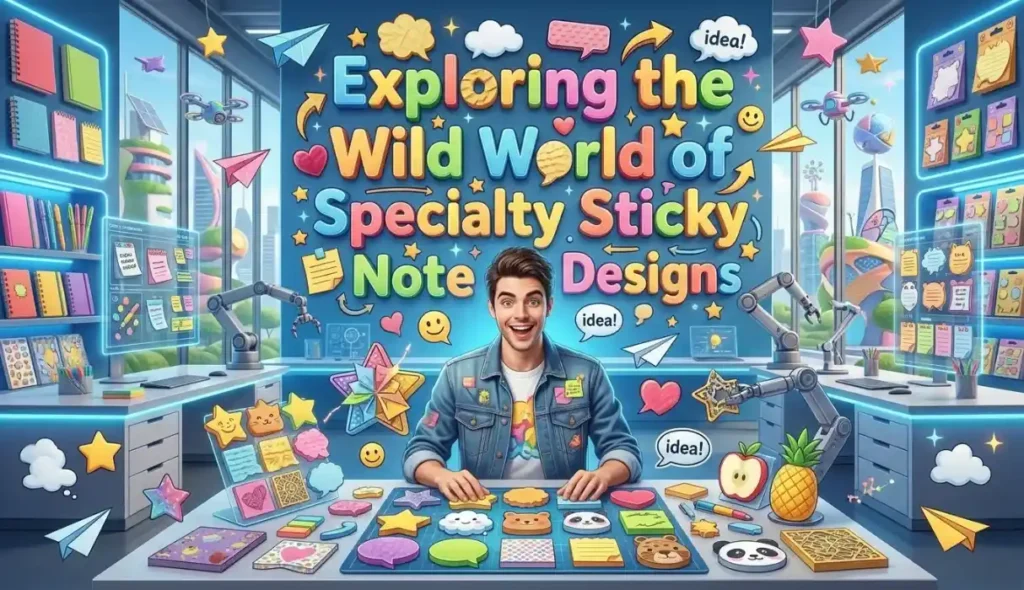
Stationery manufacturers have taken basic square pads and reimagined them into incredible visual accessories for every personality type. You are no longer restricted to plain neon colors when planning your busy schedule.
Let’s examine the most popular specialty note designs available today and how to use them effectively.
Animal Shapes, Botanical Cuts, and Pop Culture Icons
Die-cut notes feature custom outlines that follow the exact shape of cute cats, green monstera leaves, coffee cups, or smiling avocados. These playful shapes bring instant personality to plain textbook pages and computer monitors.
Using a cat-shaped pad for pet-related reminders or a coffee-cup pad for morning errands adds a touch of humor to your task list.
Transparent and Translucent Tracing Pads
Transparent sticky paper is a massive game-changer for students, readers, and visual researchers. Made from thin, see-through matte plastic film, these notes allow you to write thoughts directly over textbook diagrams without leaving permanent ink marks.
- Tracing Diagrams: Lay a clear sheet over complex anatomy charts or map outlines to practice drawing them accurately.
- Non-Destructive Annotations: Highlight library book sentences and write margin analysis notes while keeping original pages pristine.
- Layered Schematics: Stack multiple clear notes over blueprints or math equations to test step-by-step solutions visually.
- Waterproof Durability: Synthetic film notes resist accidental coffee spills and water drops far better than traditional paper options.
Clever Productivity Hacks for Work and Study
Using repositionable paper for simple task lists is just scratching the surface of what these versatile tools can achieve. When organized into structured visual systems, simple notes become powerful tools for time management and focus.
Here are tested productivity methods you can implement on your desk today.
Building a Physical Kanban Board on Your Wall
A Kanban board is a visual project management system that divides tasks into clear movement columns across a wall or whiteboard. You move individual notes from left to right as work progresses toward completion.
- To-Do Column: Place fresh notes representing new tasks on the far left side of your board.
- In-Progress Column: Move active projects into the middle section so you focus on only two or three items at a time.
- Review Column: Shift completed drafts or assignments into a review section for final quality checks.
- Done Column: Enjoy the immense satisfaction of placing finished notes into the victory column on the far right.
The Color-Coded Priority Matrix
Assigning specific meaning to different note colors helps your brain prioritize urgent tasks without reading every single line of text. Assign bright neon red or orange for urgent deadlines, soft pastel blue for casual chores, and green for personal wellness goals.
When you glance at your workspace, the visual color mix immediately tells you where to direct your energy first.
Creative DIY Crafts and Home Decor Projects
Beyond study sessions and office work, repositionable paper offers a fantastic, low-cost medium for artistic expression and family fun. Because the low-tack glue leaves zero sticky residue, you can create temporary art on walls, windows, and doors without damaging paint.
Here are entertaining craft projects that turn simple paper squares into striking visual displays.
Large-Scale Pixel Wall Murals
By treating individual square notes like colored pixels on a screen, you can construct massive wall art pieces inside bedrooms or community halls. You can map out retro video game characters, seasonal holiday trees, or inspirational words using a grid pattern.
Measure your open wall space beforehand, draw a mini grid design on graph paper, and start sticking your colored paper pixels row by row.
Origami Animals and Accordion Chain Decorations
Folded paper projects give fresh life to unused or leftover notes. The square dimensions make them ideal for folding miniature origami cranes, hopping frogs, or modular paper stars.
You can also chain multiple strips together by interlocking adhesive edges to create festive ceiling garlands for birthday parties and classroom celebrations.
How to Properly Peel Notes to Prevent Edge Curling
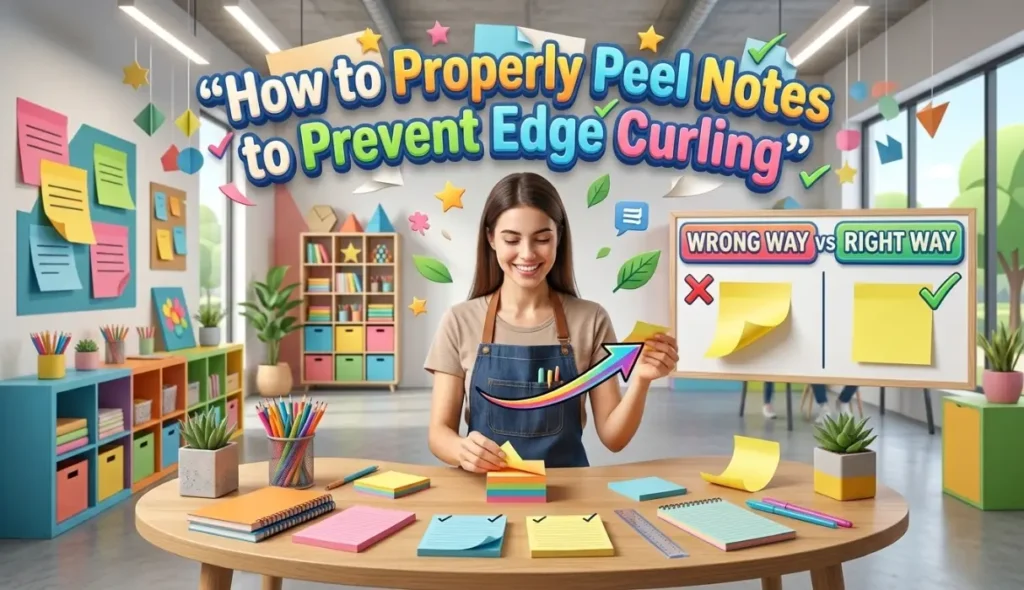
Have you ever stuck a fresh note onto a cabinet, only to watch it curl upward and fall off a few minutes later? The reason notes peel away from surfaces is usually down to incorrect peeling technique rather than bad glue.
Mastering the correct side-peel motion keeps your messages lying completely flat against any smooth surface.
The Upward Pull Mistake
Most people grab the bottom edge of a note and pull directly upward toward the top adhesive strip. This vertical motion bends the paper fibers right along the glue line, creating a natural crease that forces the note to curl outward like a ramp.
Curled paper catches breeze currents easily, causing notes to drop onto the floor long before you finish your task.
The Smooth Side-to-Side Peel Solution
Instead of pulling upward, grip the pad along the left or right side margin near the top glue line. Peel the sheet across the pad horizontally in a smooth, straight motion toward the opposite side.
This simple side-peel technique keeps paper fibers perfectly flat, allowing the adhesive strip to make full, flush contact with walls, monitors, and glass.
Eco-Friendly Practices for Paper Lovers
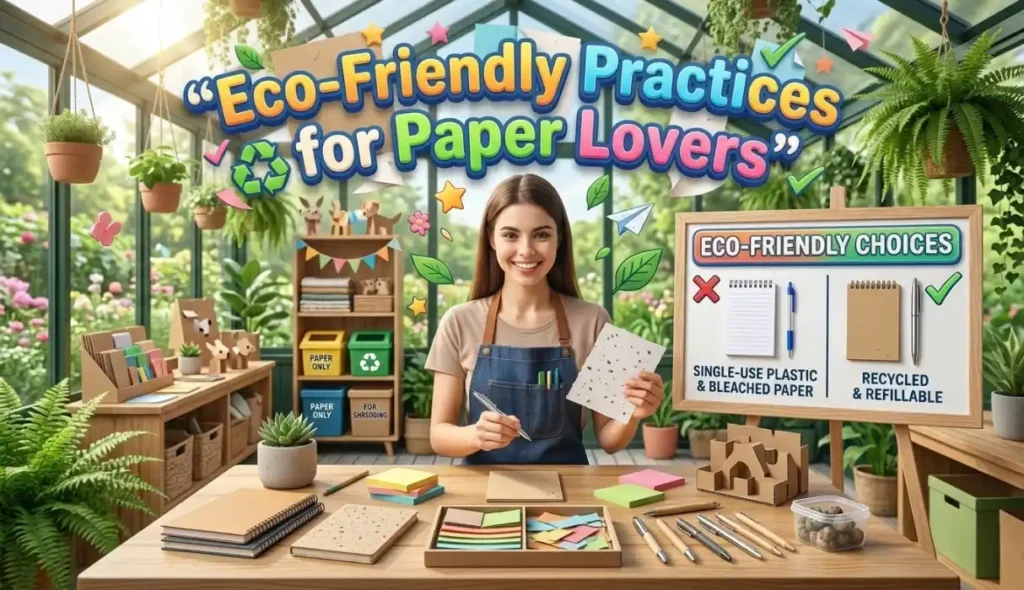
As we enjoy using colorful paper products, keeping sustainability in mind ensures our creative habits remain gentle on the environment. Modern stationery manufacturers offer numerous eco-conscious choices that perform brilliantly while reducing waste.
Adopting simple recycling habits ensures your workspace stays green, organized, and responsible.
Choosing Recycled and Plant-Based Options
Look for note pads manufactured from 100% post-consumer recycled paper and certified by sustainable forestry organizations. Many eco-friendly brands use plant-based water adhesives derived from renewable starch instead of petroleum chemicals.
These green alternatives offer the same sticky holding power while significantly lowering environmental impact.
Recycling Used Paper Notes Responsibility
- Remove Non-Paper Elements: Snip off synthetic plastic tabs or heavy foil decorations before tossing paper notes into recycling bins.
- Check Water Soluble Glues: Most modern sticky note adhesives wash away easily during standard municipal paper repulping processes.
- Reuse Before Recycling: Use the blank backside of completed notes for quick scrap calculations, doodle practice, or temporary bookmarks.
- Compost Raw Paper: Uncoated, vegetable-ink paper notes can safely enter home backyard compost bins alongside garden scraps.
Practice Exercise
Test your understanding of sticky note history, productivity systems, and proper usage techniques with these 5 multiple-choice questions.
- What accidental discovery led to the invention of modern repositionable sticky notes?
A. A chemical formula for super-strong industrial glass glue.
B. A low-tack, micro-sphere adhesive that stuck gently without permanent bonding.
C. A type of waterproof plastic paper designed for submarine maps.
D. A neon yellow dye that glowed in complete darkness. - Why is transparent sticky note paper useful for students reading library textbooks?
A. It automatically translates foreign languages into English.
B. It allows students to write notes and trace diagrams without marking original pages.
C. It permanently glues textbook pages together so they never tear.
D. It glows in the dark so students can read without desk lamps. - How should you peel a sticky note off a pad to stop the paper from curling outward?
A. Pull the sheet straight up from the bottom edge to the top.
B. Rip the note off as fast as possible in a diagonal motion.
C. Peel the sheet horizontally from side to side along the top glue line.
D. Soak the pad in warm water before peeling off individual sheets. - In a physical Kanban task board system, what happens to individual sticky notes over time?
A. They stay in the “To-Do” column permanently without moving.
B. They move across columns from left to right as work progresses toward completion.
C. They are thrown away immediately after being written down.
D. They are passed around in circles among team members. - Which eco-friendly feature should consumers look for when purchasing green stationery supplies?
A. Heavy plastic laminates layered over synthetic foils.
B. Post-consumer recycled paper fibers paired with plant-based water adhesives.
C. Petroleum-based solvent glues packed inside plastic carrying cases.
D. Non-recyclable metallic coatings applied across both paper sides.
Answer Key:
- B
- B
- C
- B
- B
FAQs
Why do some sticky notes fall off walls faster than others?
Notes fall off quickly due to dust accumulation, textured wall paint, or curling caused by pulling sheets straight upward. Dust the surface with a dry cloth first and use the horizontal side-peel technique to ensure maximum adhesive contact.
Can I run paper sticky notes through a home inkjet or laser printer?
Yes, you can print on sticky notes by attaching them to a printed template paper sheet and feeding them through your printer manually. Ensure all adhesive edges face the feed direction to prevent paper jams inside rollers.
Are clear plastic sticky notes recyclable in standard paper bins?
No, clear synthetic notes are made from PET plastic film rather than wood or paper fibers and cannot go into paper recycling. Dispose of plastic notes in soft-plastic streams, or reuse them multiple times before replacing them.
What is the best way to clean sticky glue residue off delicate surfaces?
Gently rub the spot with a tiny drop of olive oil or isopropyl alcohol on a soft microfiber cloth. The oil or alcohol breaks down synthetic adhesives safely without scratching delicate monitor screens or stripping wood varnish.
How can teachers use colorful paper notes in elementary classrooms?
Teachers can create interactive math charts, word-matching games, student voting walls, and visual reading check-ins. Moving colored notes around keeps young students physically engaged and energized during daily learning activities.
Conclusion
Incorporating fun sticky notes into your daily routine is a simple, affordable way to boost productivity while adding artistic flair to your workspace. From organizing complex work projects to crafting colorful murals, these versatile paper squares deliver endless practical value.
By choosing the right designs, mastering the side-peel technique, and building visual task boards, you can turn daily chores into enjoyable creative wins.
Grab a fresh, colorful pad today, try out a new organization method, and share your favorite planning ideas with friends and coworkers!

Jack Olive is the creative mind behind buzzgiggles.com, a fun-focused website built to bring smiles, laughter, and lighthearted entertainment to everyday life. With a passion for humor and enjoyable content, Jack Olive creates and shares playful ideas, amusing stories, entertaining discoveries, and cheerful moments designed for readers of all kinds.
Through buzzgiggles.com, Jack Olive combines creativity, curiosity, and a positive sense of humor to explore the lighter side of life. Whether visitors are looking for a quick laugh, something interesting to share, or a cheerful break from their routine, the website offers content created with fun in mind. Jack Olive believes great entertainment should be easy to enjoy, memorable, and capable of brightening someone’s day.