
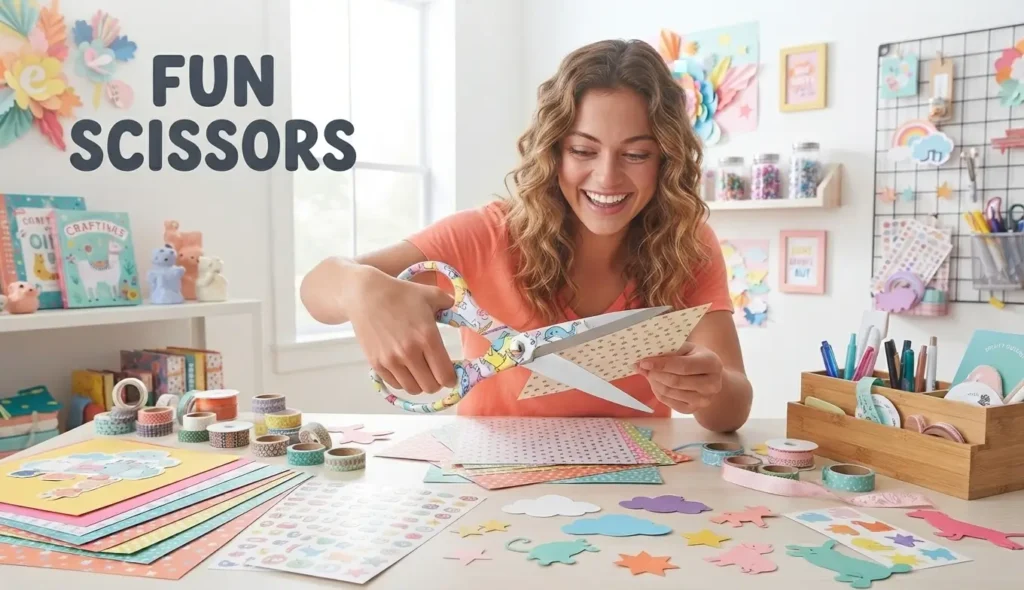
Fun scissors are specialized crafting tools designed with decorative blade patterns, child-safe plastic edges, or quirky thematic handles. Unlike standard straight utility shears, fun scissors create artistic edge profiles like waves, zig-zags, and scalloped borders on paper, cardstock, and photo crafts.
Have you ever looked at a plain sheet of paper and wished you could instantly give it a whimsical, professional-looking border without painstaking effort? Keeping a versatile collection of fun scissors in your craft kit turns everyday cutting into creative artistic expression.
These clever cutting tools combine safety features for young toddlers with intricate decorative blades for experienced scrapbook enthusiasts. Choosing the right fun scissors lets you upgrade party invitations, classroom collages, and handmade greeting cards in a single quick snip.
Whether you are teaching fine motor skills to preschoolers or designing detailed photo albums, specialized cutting tools make crafting enjoyable. The right pair provides smooth blade movement while keeping small fingers completely safe.
Let’s explore how decorative fun scissors build motor confidence, transform plain paper projects, and bring fresh creative ideas to life. Get ready to elevate your crafting station!
The Anatomy of Crafting Shears: How Decorative Blades Work
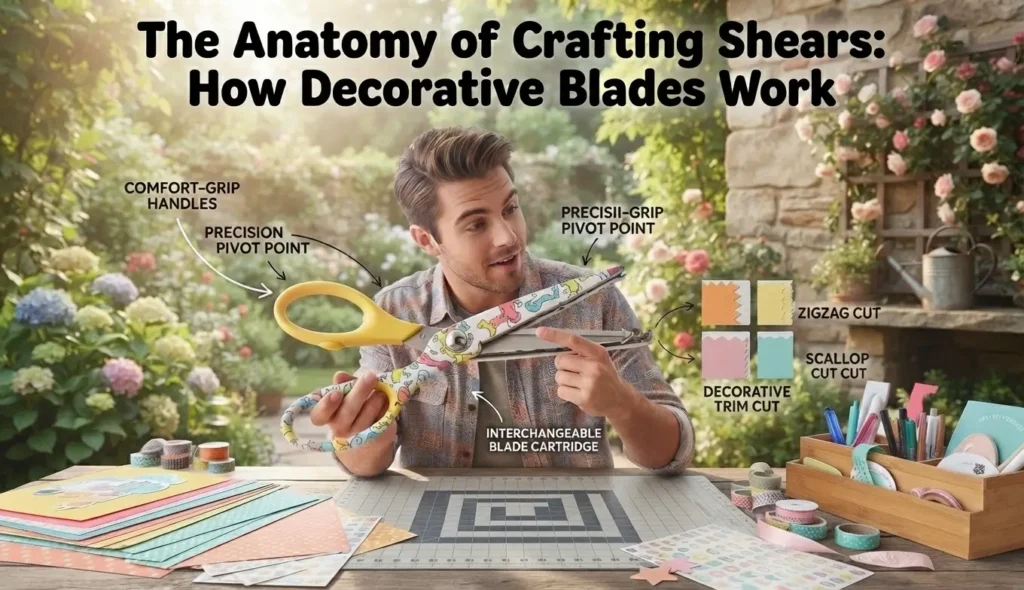
At first glance, a pair of decorative craft scissors looks similar to traditional household shears. However, looking closer at the cutting edges reveals unique engineering designed to shape paper without tearing it.
Understanding blade mechanics helps you choose the right cutting tools for different paper weights and craft projects.
Decorative Edge Profiles and Blade Patterns
Unlike standard utility shears that feature flat, straight blades, specialty craft scissors feature molded steel or durable plastic cutting edges. These edges interlock in distinct geometric patterns like zig-zags, deckle edges, and repeating waves.
When you close the handles, the interlocking blade teeth shear through paper fibers simultaneously. This action creates a crisp, decorative border pattern without requiring manual trimming or tracing stencil guidelines.
- Pinking Edges: Creates classic V-shaped sawtooth notches that stop fabric fraying and add a vintage border to paper crafts.
- Scallop Edges: Produces smooth, semi-circular cloud curves that work beautifully on photo mats and romantic greeting cards.
- Deckle Edges: Replicates the rough, torn edge of antique handmade paper for rustic stationery and wedding invitations.
- Stamp / Postmark Edges: Cuts tiny square notches along cardstock borders to imitate perforated postage stamps.
Ergonomic Loop Design and Lever Springs
Standard scissors rely entirely on hand strength to open the blades after every cutting movement. Extended crafting sessions using rigid handles can cause hand fatigue, especially for young children or crafters with arthritis.
Many specialty craft shears feature built-in spring mechanisms in the pivot hinge. The spring automatically pushes the handles back open after each cut, allowing crafters to glide along long paper edges with minimal finger effort.
Safety First: Selecting Scissors for Preschoolers and Toddlers

Introducing cutting tools to young children can feel nerve-wracking for parents and early childhood teachers. Choosing child-safe training scissors builds motor skills while keeping little hands completely safe during art activities.
Specialized safety features allow kids to practice independence without damaging clothes or causing accidental injuries.
All-Plastic Safety Blades vs. Blunt Stainless Steel
First-stage safety shears use glass-reinforced plastic blades that cut paper cleanly but cannot cut skin, hair, or clothing. These plastic edges rely on blade alignment rather than sharp edges to slice through thin paper sheets.
As children master basic cutting movements, they can transition to blunt-tip stainless steel blades. The rounded tips prevent accidental poke injuries, while real metal blades cut through thicker materials like construction paper and foam sheets.
Building Fine Motor Control and Bilateral Coordination
Cutting paper with safety shears is one of the most effective exercises for developing early childhood fine motor skills. The opening and closing motion builds intrinsic hand strength required for proper pencil grip and writing posture.
It also trains bilateral coordination, requiring the child’s dominant hand to control the scissors while the non-dominant hand rotates the paper. Mastering this dual-hand coordination boosts spatial awareness and confidence in early learners.
Specialty Crafting: Upgrading Scrapbooks, Cards, and Gift Tags
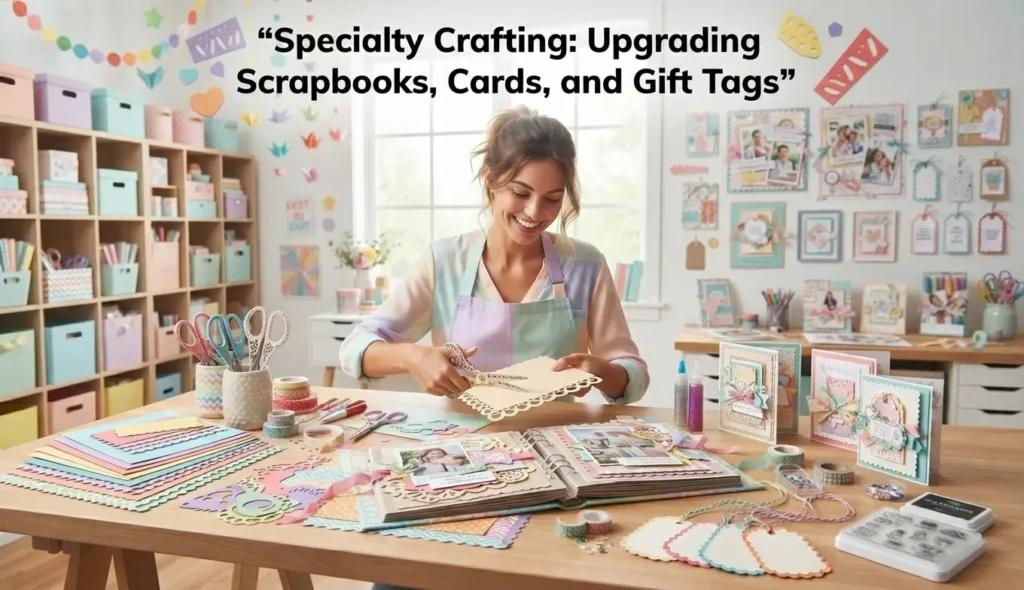
Decorative edge shears turn basic paper supplies into stunning handmade keepsakes. Incorporating pattern borders adds visual depth and professional texture to everyday paper craft projects.
Here is how crafters use decorative edges to enhance popular paper projects.
Creating Multi-Layered Photo Mats
When designing scrapbook pages, framing photographs with colored cardstock helps images pop off the page background. Using a wavy or scalloped edge pair of shears on the outer matting creates a soft, framed border.
To achieve a clean layered look, cut the bottom cardstock layer slightly larger than the top photograph. Trim all four edges using a continuous rhythm to maintain consistent pattern spacing along the frame.
Custom Gift Tags and Decorative Coupon Books
Trimming plain cardstock rectangles with deckle or pinking edges transforms basic paper scraps into luxury gift tags. Punch a small hole at one end, thread a satin ribbon through, and stamp a custom message for an instant boutique feel.
You can also use decorative shears to create ticket stubs or coupon books for holidays and birthdays. Cutting tear-off vouchers with a pinking edge gives them a realistic, vintage event-ticket look.
Working with Different Materials: Paper, Felt, and Foil
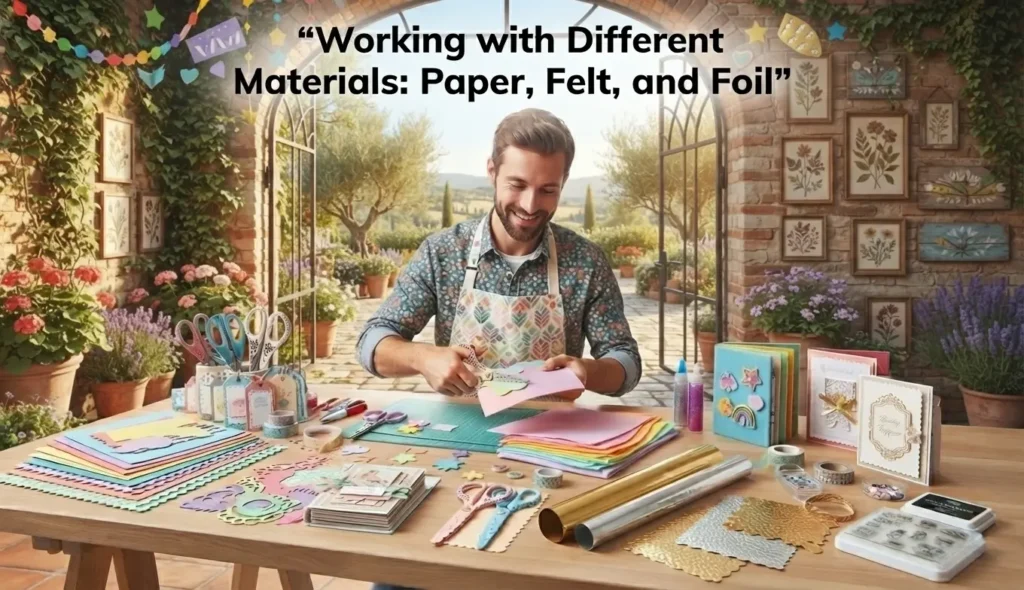
Not all crafting materials respond identically to decorative cutting blades. Thicker fabrics or sticky adhesive papers can jam lightweight craft shears if used incorrectly.
Matching material weight to blade strength prevents paper tears and keeps your cutting tools sharp.
Lightweight Construction Paper and Cardstock
Standard 20lb printer paper and lightweight construction paper cut smoothly with almost all plastic and metal craft shears. However, ultra-thin paper like tissue paper can bend between the blades instead of cutting cleanly.
To cut thin tissue paper with pattern shears, sandwich the tissue between two sheets of regular scrap paper before cutting through all three layers together.
Felt, Fabric, and Adhesive Vinyl Sheets
Standard plastic craft shears are designed strictly for paper and will snag on soft fabric fibers. To cut felt, ribbon, or woven fabric, use heavy-duty metal pinking shears featuring sharp stainless steel blades.
Avoid using decorative paper shears on sticky adhesive vinyl or heavy duct tape. Sticky residue builds up along the blade teeth, causing future cuts to drag and tear delicate paper.
Blade Care, Maintenance, and Sharpening Hacks
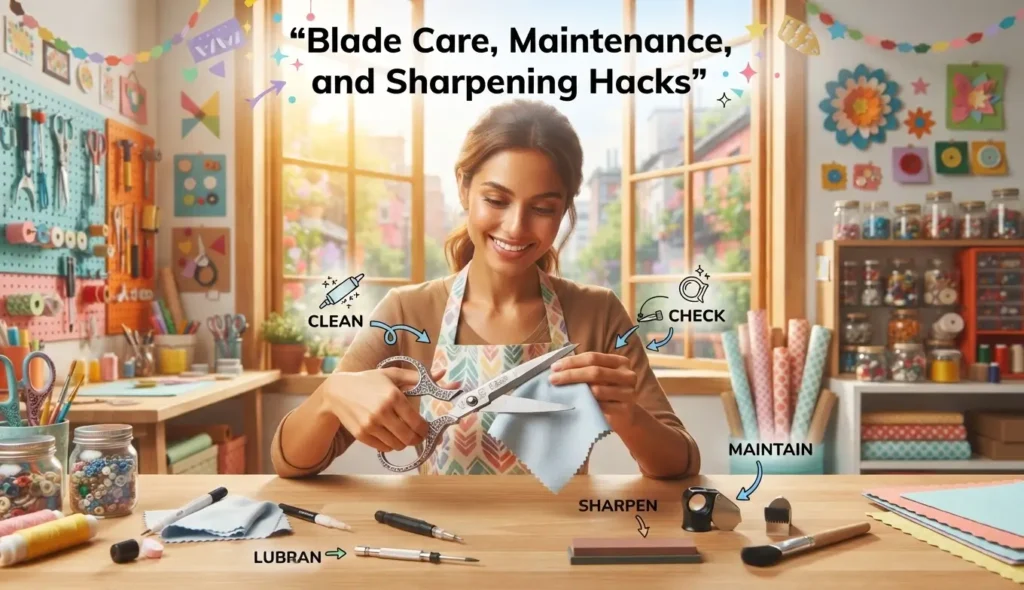
Keeping your crafting tools clean and sharp ensures effortless cutting performance for years. Dull blades compress paper fibers instead of slicing them, resulting in jagged, crushed edges along your designs.
Simple maintenance routines protect blade alignment and prevent sticky buildup.
Cleaning Sticky Residue off Blades
If you accidentally cut through double-sided tape, glue sticks, or adhesive labels, gunk will collect inside the pattern teeth. Never scrape metal blades with sharp metal knives, which can scratch the blade finish.
Wipe the blades with a cotton ball soaked in rubbing alcohol or Goo Gone to dissolve adhesive residue instantly. Allow the blades to dry completely before cutting paper again to prevent water rust.
Easy DIY Foil Sharpening Technique
You do not need expensive commercial sharpening services to restore smooth cutting action to dull paper shears. You can hone metal pattern blades at home using everyday aluminum foil from your kitchen pantry.
Fold a square sheet of aluminum foil into four thick layers. Make ten to fifteen cuts through the folded foil using the full length of the scissors’ blades. The abrasive friction cleans off minor burrs and hones the cutting edges naturally.
Organizing and Storing Your Craft Shears Collection
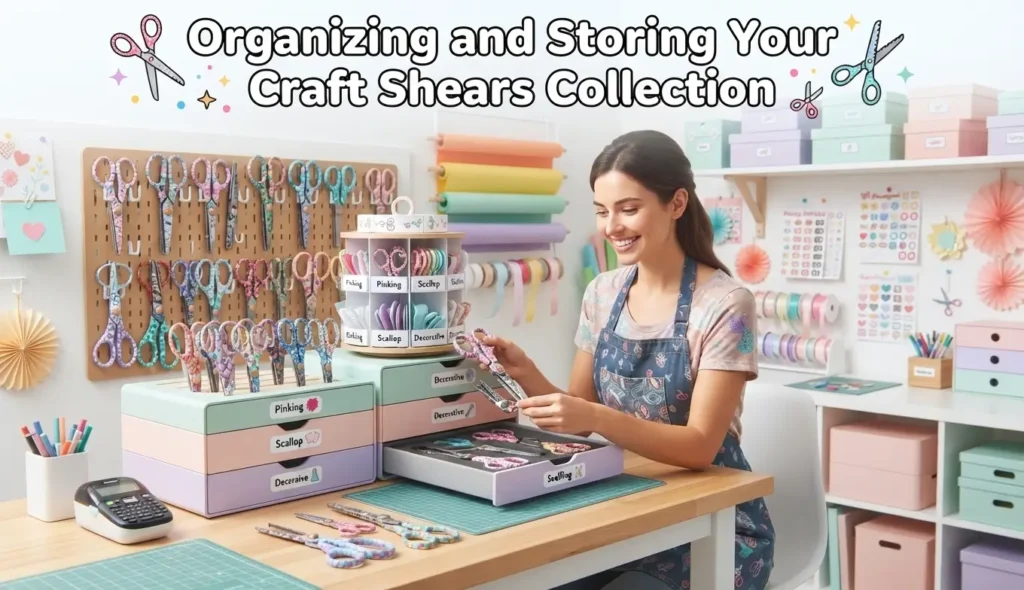
As your crafting passion grows, managing a multi-piece set of pattern shears requires smart storage solutions. Keeping tools organized prevents missing pairs and protects delicate blade teeth from dulling inside cluttered drawers.
Here are practical storage setups for classrooms and craft rooms alike.
Desktop Carousel Racks and Magnetic Strips
Desktop carousel stands hold scissor handles vertically in color-coded slots, allowing you to identify blade patterns at a glance. Many craft sets print the pattern shape directly on the handle or blade housing for easy selection.
For adult craft rooms, mounting a magnetic wall strip above your worktable keeps metal shears within easy reach. Hanging shears vertically frees up desk surface area while keeping blades dry and dust-free.
Portable Zipper Pouches for On-the-Go Crafters
If you attend local scrapbooking crops or community art workshops, store your shears in rigid zipper storage cases. Choose pouches with elastic straps that hold each pair securely in place.
Preventing tools from banging against one another during travel protects plastic spring levers from snapping under pressure.
Practice Exercise
Test your knowledge of blade mechanics, material compatibility, and craft safety rules with these 5 multiple-choice questions.
- Which material is used in first-stage toddler safety shears to ensure they cannot cut skin or hair?
A. High-carbon titanium
B. Glass-reinforced plastic
C. Cast iron
D. Razor-sharp stainless steel - What is the primary functional benefit of a spring-lever hinge on craft shears?
A. It heats the blades to seal paper edges.
B. It automatically opens the handles after each cut to reduce hand fatigue.
C. It changes the blade pattern automatically every three cuts.
D. It locks the blades permanently when not in use. - How can crafters cut ultra-thin tissue paper without it snagging inside decorative blades?
A. By soaking the tissue paper in cold water first
B. By sandwiching the tissue paper between two sheets of scrap paper
C. By freezing the scissors in ice for twenty minutes
D. By coating the paper with liquid glue - What simple household item can be cut repeatedly to sharpen dull metal craft shears at home?
A. Plastic drinking straws
B. Folded aluminum foil
C. Wet kitchen sponges
D. Dry cardboard boxes - Which edge pattern imitates the rough, natural look of antique handmade paper?
A. Pinking sawtooth edge
B. Scalloped cloud edge
C. Deckle edge
D. Square postmark edge
Answer Key:
- B
- B
- B
- B
- C
FAQs
Are plastic safety scissors safe for toddlers to use without direct supervision?
Plastic safety scissors are engineered to prevent cuts to skin, clothes, and hair, making them exceptionally safe for young learners. However, adult supervision is always recommended for young children to guide proper usage and prevent swallowing small paper pieces.
Can I use decorative paper craft shears to cut woven fabric or felt?
No, standard paper pattern shears lack the blade tension required to slice through flexible fabric fibers. Use specialized stainless steel pinking shears specifically manufactured for textiles to trim fabric cleanly without snagging.
Why do my decorative scissors tear paper instead of cutting a crisp pattern?
Paper tearing usually occurs when paper is too thin, or when adhesive residue builds up inside the blade teeth. Try cutting thicker cardstock, or clean the blades with rubbing alcohol to remove sticky gunk before cutting again.
How do I know which blade pattern a pair of shears makes without testing it?
Most reputable craft scissors feature a visual diagram or outline of the cut pattern stamped directly onto the plastic handle or blade casing. Matching color-coded handles also helps quickly identify specific pattern styles in a carousel stand.
What is the best way to clean rusty blades on vintage craft shears?
To remove light surface rust, soak the metal blades in white vinegar for twenty minutes, then scrub gently with an old toothbrush. Wash thoroughly with warm soapy water, dry completely with a towel, and apply a drop of mineral oil to the pivot screw.
Are left-handed decorative craft scissors available for left-handed crafters?
Yes, many manufacturers produce true left-handed decorative shears with reversed blade positioning for left-handed users. Alternatively, look for universal ambidextrous designs that feature symmetrical handles suitable for both right and left hands.
Conclusion
Adding a versatile collection of fun scissors to your creative station transforms basic paper crafting into an enjoyable visual experience. From building early childhood motor skills with plastic safety blades to creating intricate scrapbook borders with metal deckle shears, specialized tools make every project easier.
By choosing the right blade materials, maintaining clean cutting edges, and storing your tools properly, your shears will deliver clean cuts for years. Expressing your personal creativity through custom borders adds a warm, handmade touch to every gift and memory.
Grab your favorite paper cardstock, pick an exciting edge pattern, and start creating beautiful decorative crafts today!

Jack Olive is the creative mind behind buzzgiggles.com, a fun-focused website built to bring smiles, laughter, and lighthearted entertainment to everyday life. With a passion for humor and enjoyable content, Jack Olive creates and shares playful ideas, amusing stories, entertaining discoveries, and cheerful moments designed for readers of all kinds.
Through buzzgiggles.com, Jack Olive combines creativity, curiosity, and a positive sense of humor to explore the lighter side of life. Whether visitors are looking for a quick laugh, something interesting to share, or a cheerful break from their routine, the website offers content created with fun in mind. Jack Olive believes great entertainment should be easy to enjoy, memorable, and capable of brightening someone’s day.