
Planning a fun trip involves choosing destinations that match your personal interests, balancing structured activities with spontaneous free time, managing your budget wisely, and traveling with great companions. By focusing on shared experiences, memorable local food, and stress-free logistics, you ensure every getaway turns into an extraordinary adventure.
Have you ever found yourself staring out the window at work, dreaming about escaping the daily grind for an exciting getaway? Planning a truly fun trip comes down to blending smart organization with plenty of freedom for unexpected adventures along the way.
Whether you are packing your bags for a quick weekend road trip or embarking on a month-long overseas journey, great vacations do not happen completely by accident.
Learning how to craft a fun trip helps you stretch your travel budget further, avoid burnout, and build lifelong memories with friends and family.
Ready to transform your dream getaway from a messy scribbled note into an incredible reality? Let’s walk step-by-step through destination picking, smart budgeting, packing secrets, and group dynamic tricks to make your next fun trip effortless!
The Science of What Makes a Getaway Truly Enjoyable

Why do some vacations leave us feeling rejuvenated while others leave us needing a vacation from our vacation? Psychologists who study human happiness have discovered that meaningful travel experiences rely on a few specific ingredients working together.
It is rarely about how much money you spend or how many famous monuments you check off a checklist.
Understanding what actually triggers joy while traveling helps you design an itinerary that satisfies your mind and spirit.
The Psychology of Anticipation and Discovery
Believe it or not, a huge percentage of the joy you get from traveling happens before you even step foot outside your front door. Research shows that researching destinations, browsing local food menus, and looking at photos creates a massive wave of positive anticipation.
Once you arrive, your brain thrives on novelty; experiencing brand-new sights, sounds, smells, and textures stimulates dopamine production.
This combination of eager anticipation and fresh sensory input is precisely why exploring new environments feels so incredibly invigorating.
Balancing Structure with Spontaneous Freedom
One of the biggest mistakes travelers make is over-scheduling every single hour of their day. When your schedule feels like a rigid military operation, a single delayed train or long ticket line can ruin your entire mood.
The secret to keeping energy levels high is building a loose framework around a few non-negotiable highlights while leaving big empty blocks of time open.
Spontaneous strolls down quiet side streets often lead to the best hidden cafes, friendly conversations, and unexpected moments of joy.
Choosing the Perfect Destination for Your Travel Style
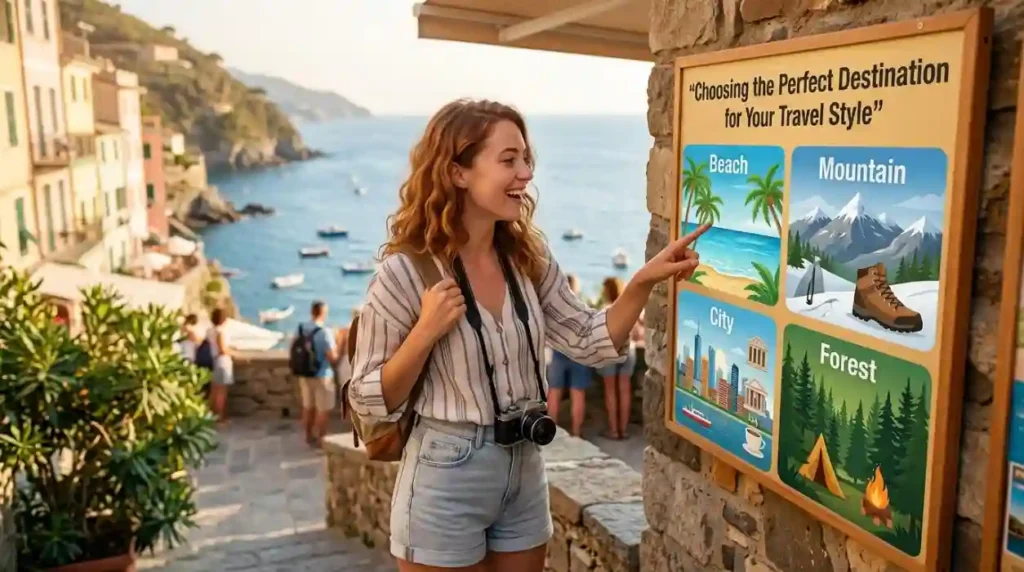
Picking where to go can feel overwhelming because the world is filled with so many spectacular places. Instead of simply following viral social media trends, you should evaluate destinations based on your current energy levels, interests, and budget constraints.
A quiet beach retreat might be ideal when you are exhausted, while a bustling metropolis is perfect when you crave high-energy entertainment.
Here is a quick summary comparing popular travel styles to help you pick your ideal destination match.
Matching Activities to Your Personality Type
Are you someone who feels recharged by quiet nature walks, or do you get your energy from crowded street markets and live music venues? Introverts often enjoy scenic train rides, cozy cabin rentals, and self-guided photography walks where they can move at their own gentle pace.
Extroverts, on the other hand, usually thrive in vibrant group hostels, guided city food tours, and interactive workshop classes where socializing happens naturally.
Honoring your natural personality traits ensures you return home feeling genuinely fulfilled rather than drained.
Seasonal Timing and Off-Peak Travel Secrets
Timing your journey during the shoulder season the sweet spot right between peak tourist season and the quiet off-season is a game-changing strategy. During these windows, weather conditions remain lovely, but hotel prices drop dramatically, and crowds vanish.
You get to experience popular landmarks without standing in hour-long queues or paying inflated seasonal surge pricing.
Additionally, locals are often much more relaxed and welcoming when they are not overwhelmed by peak tourist rushes.
Smart Budgeting Strategies for Stress-Free Travel

Nothing kills the joyful vibe of a vacation faster than constantly worrying about your checking account balance while ordering food or booking tours. Establishing a clear, realistic spending plan ahead of time allows you to swipe your card without feeling a wave of buyer’s remorse.
Budgeting is not about restricting your happiness; it is about allocating your money toward things that actually matter to you.
Let’s break down practical steps to keep your finances completely under control.
Separating Fixed Costs from Daily Spending Money
Start by splitting your total travel fund into two distinct buckets: fixed expenses and daily operational funds. Fixed expenses include major items you pay for in advance, such as plane tickets, train passes, rental cars, and accommodation bookings.
Your daily operational fund covers meals, museum entry tickets, local transit, souvenirs, and unexpected treats along the way.
Dividing your total daily fund by the number of days on your trip gives you a clear daily allowance that keeps spending transparent.
Finding Hidden Savings Without Sacrificing Comfort
- Eat Like a Local for Breakfast and Lunch: Grab fresh pastries, fruit, and coffee from neighborhood bakeries or grocery markets instead of sitting down at expensive tourist restaurants for every meal.
- Utilize Free Walking Tours: Most major cities offer community-led walking tours where passionate local guides share fascinating history for just a small voluntary tip.
- Download City Transit Apps: Skip overpriced taxi rides and rideshare surges by using clean, safe, and efficient public buses or underground metro networks.
- Look for Combo Passes: Many tourist boards sell discounted multi-attraction passes that cover entry to major museums, castles, and public transport for one flat rate.
Master the Art of Efficient Packing
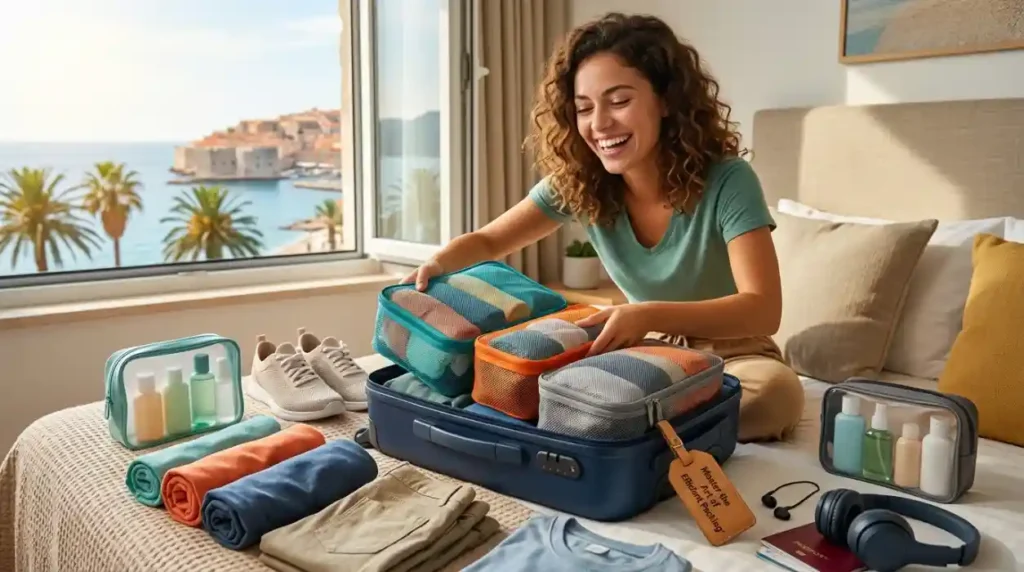
Overpacking is one of the most common habits that drags down the quality of a getaway. Dragging heavy, bulging suitcases over cobblestone streets or up narrow hotel staircases creates unnecessary physical strain and frustration.
Learning to pack light gives you physical freedom, speeds up airport security checks, and saves you money on checked bag fees.
Follow these proven packing techniques to travel light and nimble anywhere in the world.
The Capsule Wardrobe Formula for Travel
Building a travel wardrobe around a cohesive color scheme allows you to mix and match every piece of clothing effortlessly. Select five tops, three bottoms, and two lightweight outer layers that all coordinate well with one another.
This simple formula creates over fifteen unique outfit combinations using only ten basic garments.
Stick to lightweight, quick-drying, wrinkle-resistant fabrics like merino wool, synthetic blends, or soft linen.
Essential Tech and Emergency Gear to Pack
- Compact Power Bank: Keep your phone charged throughout long days of navigation, photography, and translating foreign signs.
- Universal Adapter Plug: Ensure your electronics can plug into any wall outlet setup around the globe safely.
- Mini First-Aid Kit: Pack basic pain relievers, blister bandages, antacids, and any personal prescription medications in a small pouch.
- Digital Document Backups: Save copies of your passport, travel insurance policy, and hotel confirmations on your phone and in cloud storage.
Crafting the Ultimate Daily Itinerary
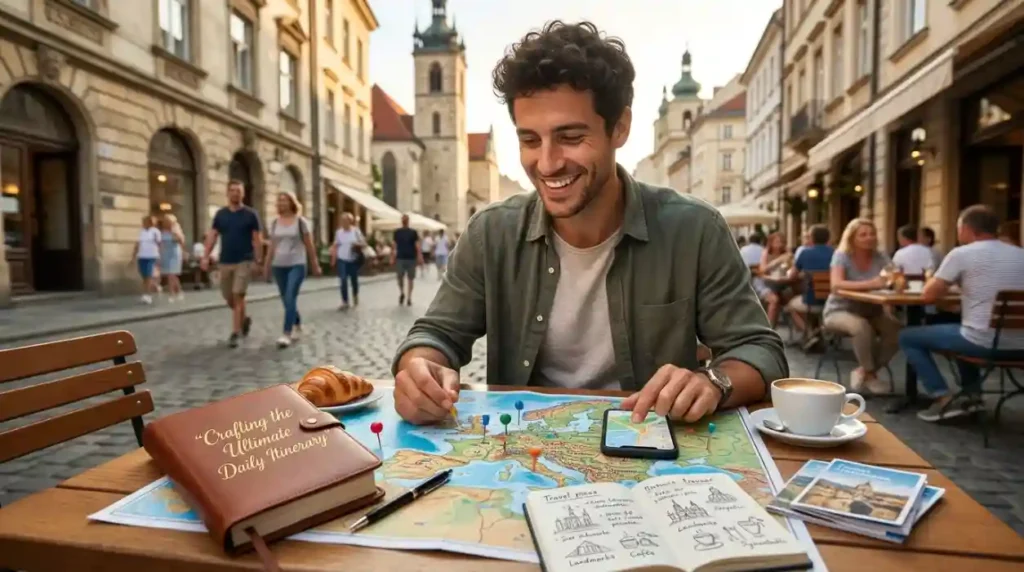
An exceptional itinerary strikes a harmonious balance between exciting sightseeing adventures and relaxing downtime. Pushing yourself to visit five different museums in a single afternoon leads directly to mental overload and sore feet.
Instead, aim to anchor each morning around one primary highlight, leaving your afternoons open for casual discovery and relaxation.
Here is a recommended framework for structuring your daily vacation flow.
The Two-Anchor Rule for Daily Schedules
The two-anchor strategy means selecting no more than two major planned activities per day: one in the morning and one in the afternoon. For example, you might visit a historic castle at nine in the morning and take a guided cooking class at three in the afternoon.
The hours in between are intentionally left wide open for enjoying a long, lazy lunch, wandering through parks, or taking a refreshing hotel nap.
This relaxed pace prevents schedule burnout and allows you to absorb the authentic atmosphere of your surroundings.
Creating Shared Experiences for Groups
When traveling with friends or family members, keep in mind that everyone possesses different energy levels, dietary needs, and personal interests. Forcing a group of six people to stay attached at the hip for seven straight days is a quick recipe for minor disagreements.
Encourage “split-up hours” where group members can break off into pairs to pursue different activities without any hurt feelings.
Reconvening over dinner to share stories from your separate adventures brings fresh energy and excitement back to the evening table.
Practical Ways to Preserve Memories After Returning Home
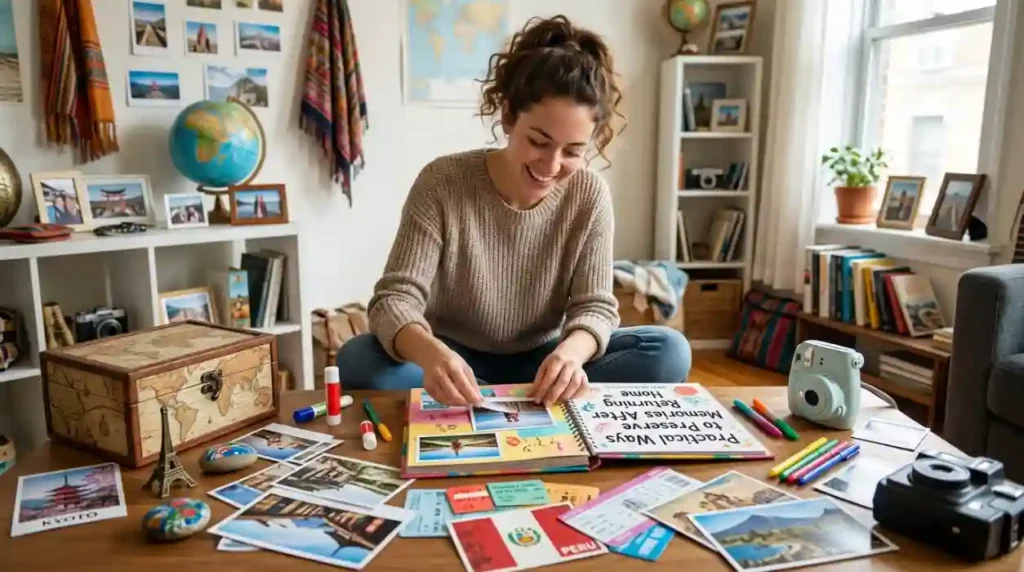
The physical journey might end when you unpack your suitcase at home, but the happiness it generated can last for years to come. Finding creative ways to document and preserve your travel memories keeps the joy alive long after the suntan fades.
Capturing meaningful moments does not mean living your entire vacation behind a camera lens or phone screen.
Here are four simple, creative ways to preserve your favorite travel moments forever.
Creative Ways to Capture Authentic Moments
- Collect Small Keepsakes: Save physical paper tickets, local coasters, subway maps, and pressed flowers to paste into a travel journal.
- Record Audio Snippets: Use your phone’s voice recorder to capture five-second audio clips of bustling markets, ocean waves, or street musicians.
- Write Daily Micro-Summaries: Take two minutes before bed to jot down three specific things that made you laugh or smile during the day.
- Create a Dedicated Photo Album: Print your absolute best thirty photos and assemble a physical photo book rather than letting thousands of digital pictures sit forgotten on your phone.
Practice Exercise
- What is the primary benefit of traveling during a destination’s “shoulder season”?
A. Temperatures are always guaranteed to be below freezing
B. Lower prices, fewer tourist crowds, and pleasant weather conditions
C. All major museums and attractions are completely closed to visitors
D. Airline tickets are guaranteed to be entirely free of charge - What does the “Two-Anchor Rule” recommend when building a daily travel itinerary?
A. Planning exactly ten scheduled activities every single morning
B. Scheduling no more than two major planned activities per day to allow for spontaneous free time
C. Staying anchored inside your hotel room for twenty-four hours straight
D. Visiting two different international countries every single afternoon - Which strategy helps prevent arguments when traveling in a group of friends?
A. Forcing everyone to stick together every second of the day without exception
B. Allowing group members to split up occasionally to pursue personal interests
C. Canceling all meal plans and eating separately in silence
D. Letting one person make every single decision without taking input from others - How does a capsule wardrobe help streamline your travel experience?
A. It requires carrying four heavy suitcases full of duplicate clothes
B. It uses matching, versatile clothing pieces that can be combined into multiple unique outfits
C. It forces you to buy brand-new clothes at every airport stop
D. It ensures you only wear formal suits and heavy winter coats - What is the primary purpose of creating a separate “Buffer Fund” when budgeting?
A. To buy expensive jewelry at the airport departure gate
B. To handle unexpected extra costs or emergencies without disrupting your main travel funds
C. To pay for extra checked bags filled with heavy rocks
D. To give away cash to random strangers on the street
Answer Key:
- B
- B
- B
- B
- B
Frequently Asked Questions
How far in advance should I start planning my getaway?
For major international journeys, starting three to six months ahead gives you ample time to secure cheap flights and preferred lodging. For simple weekend road trips, two to three weeks of light planning is usually more than enough.
What should I do if unexpected rain ruins my planned outdoor activities?
Always keep a light list of indoor alternatives handy, such as visiting local art galleries, exploring covered food markets, or relaxing at a traditional bathhouse. Embracing unpredictable weather changes with a flexible attitude often leads to surprisingly fun indoor adventures.
How can I travel safely if I am planning my very first solo trip?
Choose a walkable, well-connected destination with low crime rates, share your live itinerary with family back home, and keep emergency contact numbers saved. Trusting your instincts and staying aware of your surroundings keeps solo travel safe and empowering.
Is travel insurance worth buying for short domestic vacations?
While domestic health insurance often covers medical emergencies within your home country, dedicated travel insurance protects against flight cancellations, lost luggage, and unexpected trip interruptions. It offers affordable peace of mind for high-cost trips.
How can I avoid feeling exhausted on the first day of a long trip?
Stay hydrated, avoid heavy alcohol on flights, and immediately adapt your sleeping schedule to the local time zone upon landing. Getting outdoor sunlight exposure during your first afternoon helps reset your body’s internal clock naturally.
Conclusion
Planning an unforgettable fun trip comes down to finding the perfect harmony between thoughtful preparation and open-ended freedom. By choosing destinations that match your energy, budgeting wisely, packing light, and keeping your daily schedule flexible, you set the stage for incredible experiences.
Every journey is a unique opportunity to learn about new cultures, step outside your comfort zone, and create lasting memories.
Pack your bags with curiosity, leave room for spontaneous surprises, and embrace every moment of the adventure ahead.
Start mapping out your next dream itinerary today, gather your favorite travel companions, and set off on an extraordinary journey!

Jack Olive is the creative mind behind buzzgiggles.com, a fun-focused website built to bring smiles, laughter, and lighthearted entertainment to everyday life. With a passion for humor and enjoyable content, Jack Olive creates and shares playful ideas, amusing stories, entertaining discoveries, and cheerful moments designed for readers of all kinds.
Through buzzgiggles.com, Jack Olive combines creativity, curiosity, and a positive sense of humor to explore the lighter side of life. Whether visitors are looking for a quick laugh, something interesting to share, or a cheerful break from their routine, the website offers content created with fun in mind. Jack Olive believes great entertainment should be easy to enjoy, memorable, and capable of brightening someone’s day.