
Fun-size candies are bite-sized chocolate bars and confectionery treats packaged individually for Halloween trick-or-treating, portion control, and convenient snacking. Created commercially in the mid-twentieth century, these scaled-down sweets provide the same authentic flavor and ingredients as full-sized candy bars while helping consumers enjoy sweet treats responsibly.
Have you ever wondered why miniature chocolate bars are called fun-size candies instead of something like small-size sweets? Uncovering the history behind fun-size candies reveals a clever marketing strategy that completely changed holiday candy traditions worldwide.
These compact treats offer the perfect way to satisfy a sugar craving without overindulging in massive portions.
Learning how manufacturers produce these beloved fun-size candies gives you a sweet peek behind the confectionery curtain.
Ready to explore the fascinating world of fun-size candies together? Let’s check out packaging history, calorie control benefits, baking ideas, and spooky holiday traditions!
The Surprising History Behind Miniature Confectionery
For generations, buying candy meant purchasing large, single-serving blocks meant to be broken apart or eaten in one sitting. In the mid-twentieth century, major confectionery brands realized that consumers wanted smaller portions for holiday events and party bowls.
The term “fun size” was officially trademarked and popularized in the nineteen-sixties, sparking a massive shift in how people shared treats.
This clever packaging innovation turned seasonal trick-or-treating into a multi-billion-dollar global cultural tradition.
Why Confectioners Invented Smaller Portions
As suburban neighborhoods expanded during the post-war baby boom, millions of children started flooding streets every October seeking treats. Giving out full-sized chocolate bars to hundreds of kids quickly became too expensive for neighborhood families.
Confectioners solved this economic puzzle by shrinking standard candy bars down to miniature proportions while maintaining original recipes.
This allowed homeowners to hand out generous handfuls of treats without breaking their household budgets.
The Evolution of Colorful Wrapper Design
Early miniature treats were wrapped in plain wax paper or simple foil sheets with minimal branding. Modern candy makers transformed these wrappers into vibrant, eye-catching mini billboards featuring bright colors and bold logos.
These cheerful packages instantly signaled excitement and celebration to children carrying plastic pumpkins door-to-door.
The visual appeal of the packaging became just as important as the sweet chocolate flavor inside.
Calorie Control and Mindful Sweet Consumption

Eating sweets often comes with a guilty conscience regarding sugar intake, calories, and physical health balance. Mini portions offer a practical psychological solution by letting you enjoy your favorite chocolate flavors without opening a giant king-size bar.
Understanding how portion control works helps you enjoy treats as part of a balanced lifestyle.
Here is a quick summary comparing standard candy portions against miniature options.
The Psychology of Pre-Portioned Snacks
When you open a large bag of snacks, human psychology makes it remarkably easy to keep eating past the point of fullness. Pre-packaged mini bars create a natural stopping point because you have to unwrap a second piece if you want more.
That brief physical action gives your brain a moment to pause and ask whether you actually want another sweet.
This simple pause helps prevent accidental overeating during movie nights and afternoon slumps.
Enjoying Balance Without Strict Restriction
Completely banning sweets from your diet often leads to intense cravings and frustrating wallow-eating episodes later. Allowing yourself one or two miniature chocolates satisfies your sweet tooth while keeping your daily sugar intake under control.
Balance is always more sustainable than strict dietary perfection over the long term.
Treating sweets as an occasional joy keeps your relationship with food healthy and stress-free.
How Manufacturers Scale Down Full-Size Recipes
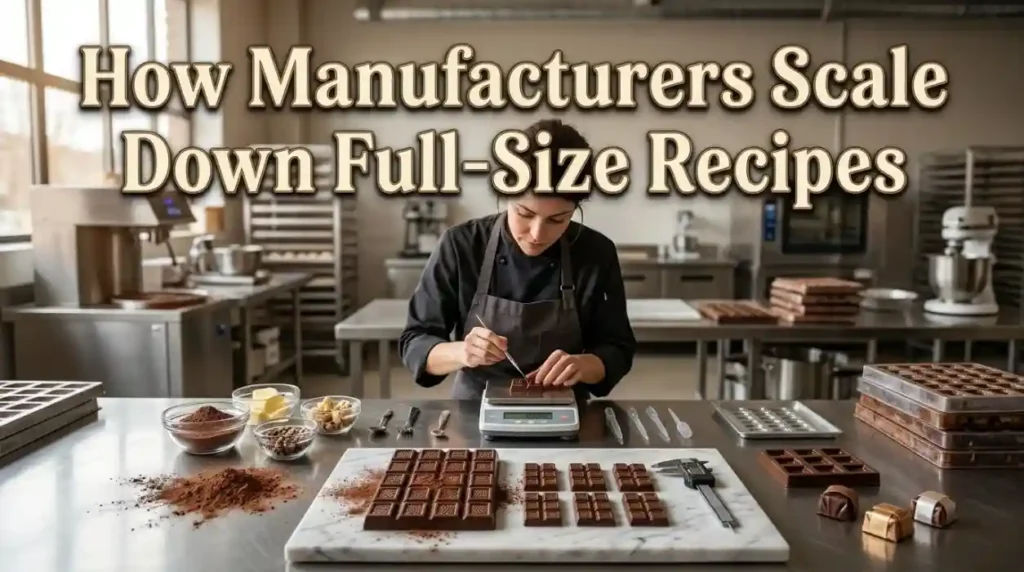
Scaling a chocolate bar down to a fraction of its original size is not as simple as cutting a long rope of nougat. Confectionery engineers must adjust cooking times, cooling rates, and wrapping machinery to handle thousands of tiny bars per minute.
Maintaining the exact taste, texture, and crunch of the original bar requires precise industrial chemistry.
Let’s look at how factories pull off this sweet manufacturing feat daily.
The Precision Engineering of Miniature Molds
Every miniature chocolate bar starts inside custom-designed metal conveyor molds that shape liquid caramel, peanut butter, or nougat. High-speed automated cutters slice the long candy ribbons into uniform mini lengths before enrobing them in smooth milk chocolate.
Cooling tunnels drop the ambient temperature rapidly to harden the chocolate shell without cracking the delicate filling inside.
If the temperature drops too fast, sugar crystals form unwanted white blotches known as chocolate bloom.
Wrapping Speeds That Defy Imagination
Modern confectionery assembly lines wrap hundreds of miniature bars every single second using high-speed rotary packaging machines. These mechanical marvels twist foil or plastic wrapper ends closed with astonishing physical precision.
Defective packages are rejected instantly by digital optical scanners before they ever reach shipping cardboard boxes.
This high-speed automation ensures that grocery store shelves stay fully stocked year-round.
Creative Culinary Uses for Leftover Mini Chocolates
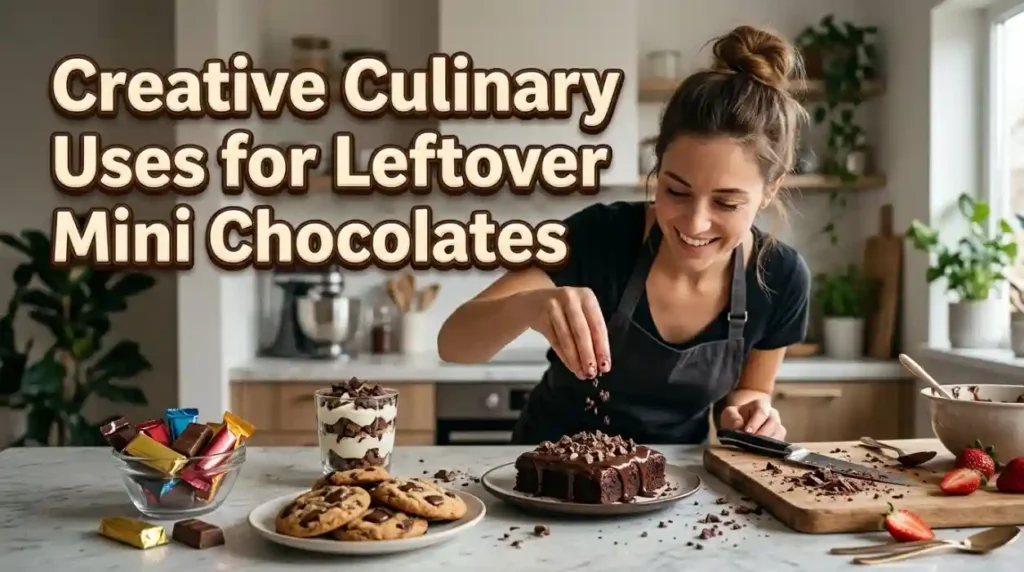
If you have leftover holiday candy sitting in your pantry after Halloween, you don’t have to eat them all plain. Chopping up miniature chocolate bars makes them fantastic ingredients for home baking and weekend kitchen projects.
Their compact size makes them exceptionally easy to chop, melt, or fold into cookie doughs.
Here are three delicious ways to repurpose your leftover sweets like an expert pastry chef.
1. Loaded Cookie and Brownie Mix-ins
Instead of buying expensive chocolate chips for your weekend baking, unwrap and chop up a cup of assorted miniature chocolate bars. Fold the chopped nougat, caramel, and peanut pieces directly into your favorite chocolate chip cookie dough or fudgy brownie batter.
The caramel bits melt into gooey pockets while the crisp wafer pieces add a delightful crunch to every bite.
2. Epic Ice Cream Sundae Toppings
Crush a handful of mini chocolate bars using a rolling pin and sprinkle them generously over vanilla bean ice cream. Add a drizzle of hot fudge and whipped cream to create an incredible dessert bar right in your own kitchen.
It is a fantastic way to treat family and friends after a Friday night dinner.
3. DIY Trail Mix for Hiking Trips
Combine chopped mini chocolates with salted peanuts, pretzels, raisins, and dried cranberries to create a sweet-and-salty trail mix. The protein from the nuts pairs wonderfully with the quick energy boost from the chocolate.
Pack small portions in zip-top bags for your next weekend hiking adventure or road trip.
Fun Trivia and Surprising Facts About Halloween Sweets
Confectionery history is filled with quirky statistics, bizarre world records, and amusing cultural habits that will surprise even dedicated candy lovers. People around the globe consume billions of pounds of sweets annually during seasonal celebrations.
Exploring these fun trivia facts gives you great conversation starters for your next social gathering.
Let’s look at some of the most entertaining candy statistics on record.
The Global Economic Impact of Seasonal Candy Sales
Halloween remains the single largest sales season for chocolate and confectionery manufacturers across North America and Europe. Retailers dedicate entire store aisles to colorful displays of seasonal variety packs weeks before October arrives.
Billions of individual mini bars are manufactured specifically to meet this massive seasonal demand.
It stands as a testament to how deeply ingrained sweet treats are in global holiday traditions.
The Most Popular Mini Bar Varieties
While hundreds of flavors exist on supermarket shelves, traditional milk chocolate combinations consistently dominate consumer preference surveys. Peanut butter cups, crisp wafer bars, and caramel-filled nougat squares remain the top choices year after year.
Variety bags that mix multiple candy brands sell significantly better than single-flavor bags.
People love the suspense of reaching into a mixed bowl and pulling out a surprise treat.
Practice Exercise
Test your understanding of candy history, portion control psychology, manufacturing facts, and baking uses with this quick five-question multiple-choice quiz.
- When did confectionery brands officially popularize and trademark the term “fun size” for miniature candy?
A. During the roaring twenties in 1922
B. In the mid-twentieth century during the nineteen-sixties
C. At the turn of the twenty-first century in 2000
D. During the Victorian era in 1890 - What is the primary psychological benefit of pre-packaged miniature candy portions?
A. They make your teeth grow stronger instantly
B. They create a natural physical stopping point that helps prevent accidental overeating
C. They eliminate all calories from sugar permanently
D. They double your running speed on weekend mornings - What manufacturing defect occurs when cooling tunnels drop chocolate temperatures too rapidly?
A. The candy turns into invisible glass
B. Unwanted white blotches known as chocolate bloom form on the surface
C. The wrappers melt into the chocolate center
D. The candy floats away into the air - Which seasonal holiday drives the largest annual sales volume for miniature chocolate bars?
A. New Year’s Day
B. Halloween
C. Independence Day
D. St. Patrick’s Day - What is a great culinary use for leftover chopped miniature chocolate bars?
A. Polishing tarnished silver silverware
B. Folding them into cookie dough or brownie batter for extra crunch and gooey caramel pockets
C. Using them as chalk to write notes on sidewalks
D. Planting them in garden soil to grow fruit trees
Answer Key:
- B
- B
- B
- B
- B
FAQs
Are fun-size candies made with different ingredients than full-size bars?
No, miniature bars use the same authentic recipes, ingredients, and chocolate blends as their full-sized counterparts. The only difference is the physical scaling and automated molding size during factory production.
How many calories are typically in a single fun size candy bar?
Most standard miniature chocolate bars contain between 60 and 80 calories depending on whether they feature solid chocolate, crisp wafers, or heavy caramel fillings. Always check the nutritional label on the outer variety bag for exact details.
Why do variety candy bags sell better than single-flavor bags?
Variety bags appeal to consumer curiosity by offering a mix of different brands and flavor textures in one package. This variety prevents flavor fatigue and satisfies multiple family members with different preferences at the same time.
How should I store leftover miniature candy to keep it fresh?
Store your leftover candy in a cool, dark, dry pantry away from direct sunlight and heat sources. Keeping temperatures stable prevents the chocolate from melting, blooming, or absorbing unwanted odors from surrounding foods.
Can miniature candy bars be frozen for long-term storage?
Yes, you can freeze wrapped chocolate bars inside airtight freezer bags for up to six months. Thaw them slowly inside your refrigerator before opening to prevent condensation moisture from ruining the outer chocolate texture.
Conclusion
Enjoying your favorite fun-size candies is a wonderful way to celebrate holidays, satisfy sweet cravings, and practice mindful portion control. From their fascinating mid-century history to creative baking uses, these miniature treats deliver big flavor in compact packages.
Remember that balance and moderation let you enjoy your favorite sweets without guilt.
Grab your favorite variety bag, share a few treats with friends, and savor every delicious bite!

Jack Olive is the creative mind behind buzzgiggles.com, a fun-focused website built to bring smiles, laughter, and lighthearted entertainment to everyday life. With a passion for humor and enjoyable content, Jack Olive creates and shares playful ideas, amusing stories, entertaining discoveries, and cheerful moments designed for readers of all kinds.
Through buzzgiggles.com, Jack Olive combines creativity, curiosity, and a positive sense of humor to explore the lighter side of life. Whether visitors are looking for a quick laugh, something interesting to share, or a cheerful break from their routine, the website offers content created with fun in mind. Jack Olive believes great entertainment should be easy to enjoy, memorable, and capable of brightening someone’s day.